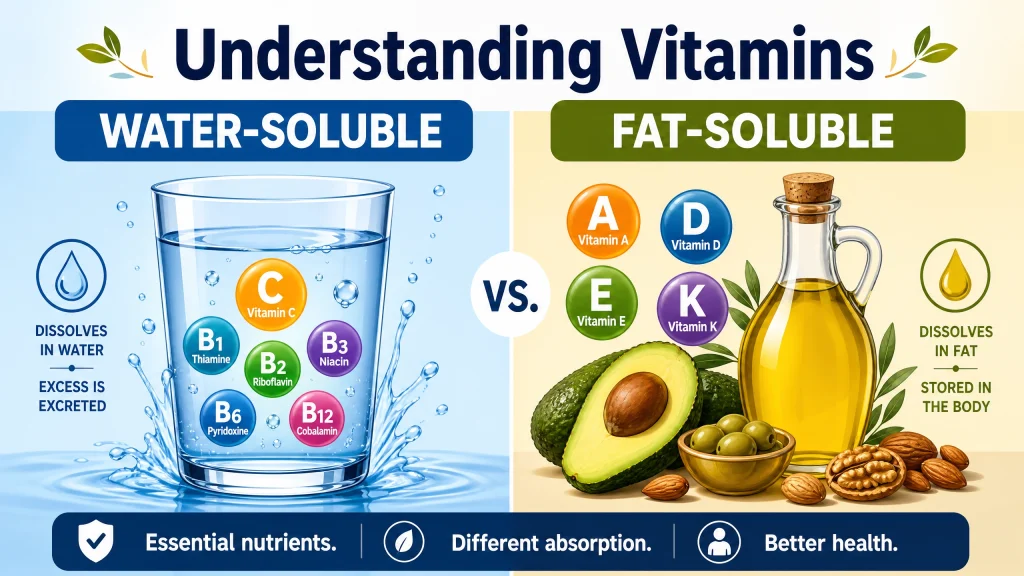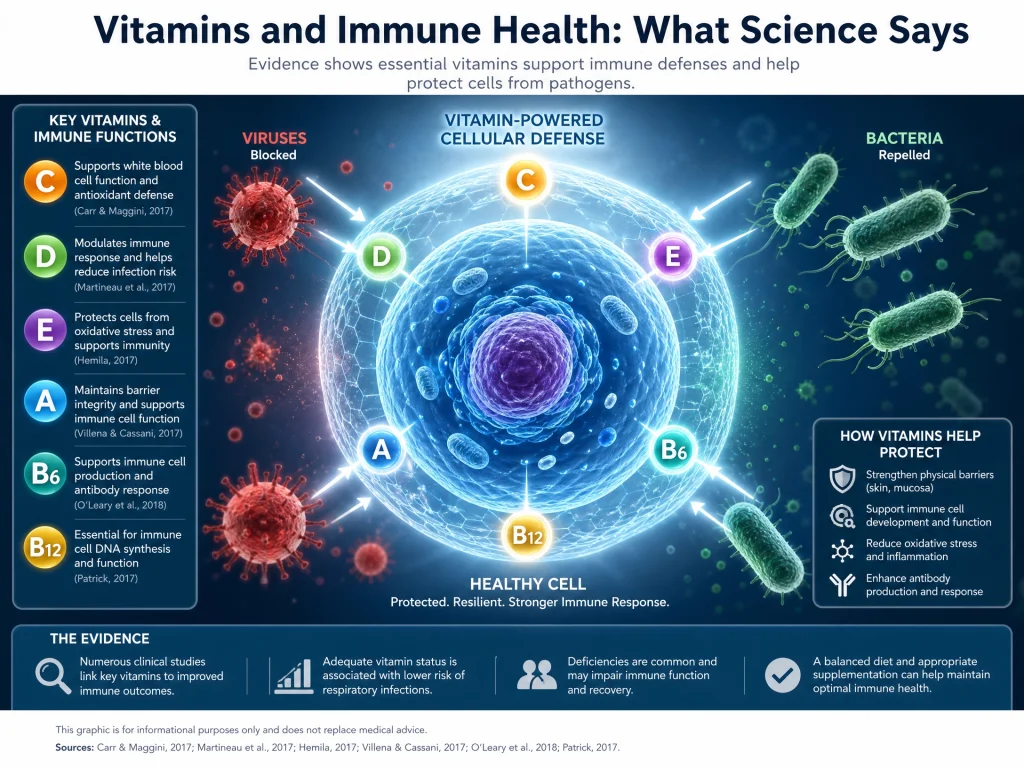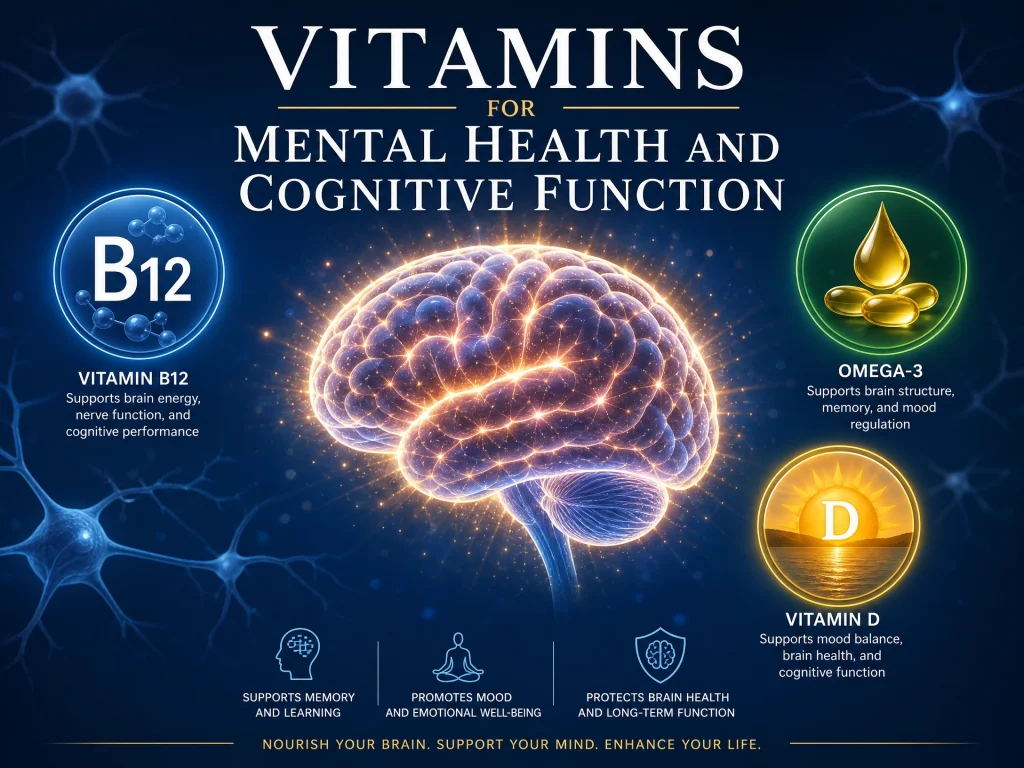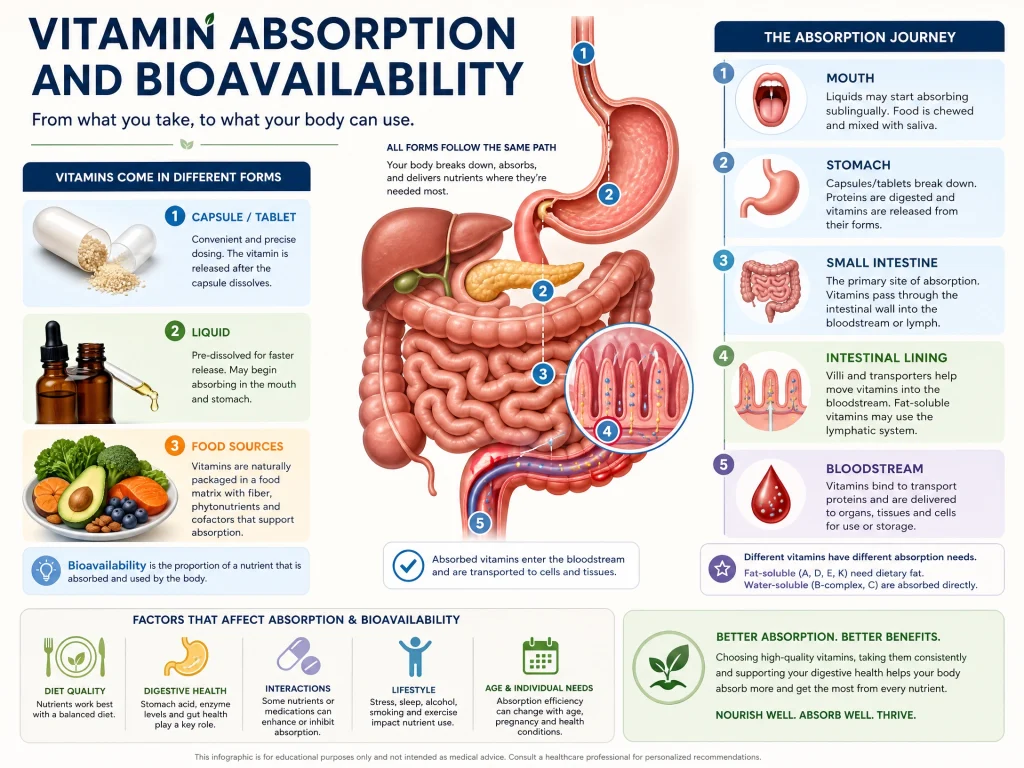
Introduction Omega-3 fatty acids are among the most extensively researched and broadly recommended nutritional supplements in modern clinical nutrition. Classified as essential fatty acids, EPA (eicosapentaenoic acid) and DHA (docosahexaenoic acid) cannot be synthesized efficiently by the human body and must therefore be obtained through diet or supplementation. These fatty acids are fundamental structural components […]
Author Archives: adminsite
Introduction L-Glutamine is often described as a “support nutrient,” but that undersells its biological importance. It is the most abundant amino acid in the bloodstream and skeletal muscle, and it functions as a central hub in gut integrity, immune metabolism, acid–base balance, and cellular energy production. Unlike many amino acids that serve primarily as building […]
Introduction Krill oil, derived from Antarctic krill (Euphausia superba), has rapidly gained attention as a premium alternative to traditional fish oil in the omega-3 supplement category. Antarctic krill are small, shrimp-like crustaceans that exist in massive swarms in the Southern Ocean and represent one of the largest marine biomasses on Earth. Despite their size, they […]
Introduction The human body is not a standalone biological system — it is an ecosystem. At the center of this ecosystem lies the gut microbiome, a dense and highly active community of trillions of microorganisms that collectively weigh up to 1–2 kilograms in an adult human. These microorganisms are not passive residents; they actively participate […]
Introduction Green tea (Camellia sinensis) is one of the most scientifically validated botanical sources of bioactive compounds in human nutrition. Consumed for thousands of years across East Asia, it has long been associated with longevity, cardiovascular vitality, cognitive clarity, and metabolic balance. Modern research attributes most of these effects to a class of polyphenols known […]
Introduction Chromium is an essential trace mineral required in extremely small amounts, yet it plays a disproportionately important role in human metabolism. Its primary biological function is the enhancement of insulin activity, making it directly relevant to glucose regulation, energy production, fat metabolism, and appetite control. Although chromium requirements are measured in micrograms, even slight […]
Introduction Selenium is a trace mineral required in extremely small amounts, yet it is indispensable for human biology. Unlike many nutrients that act as simple cofactors, selenium is structurally built into a specialized group of proteins known as selenoproteins, which regulate antioxidant defense, thyroid hormone metabolism, immune signaling, and reproductive function. Although required only in […]
Introduction Potassium is the primary intracellular electrolyte, meaning it is found predominantly inside cells rather than in blood plasma. It plays a central role in maintaining cellular function across virtually every tissue in the body. Without adequate potassium, normal nerve signaling, muscle contraction, and fluid balance cannot occur efficiently. Key physiological roles of potassium include: […]
Introduction Iron is an essential trace mineral that plays a foundational role in human physiology. It is best known for its involvement in oxygen transport, but its influence extends far beyond the blood. Iron is also required for cellular energy production, brain function, immune regulation, and tissue repair. Within the human body, iron is primarily […]
Introduction Folic acid is the synthetic, stable form of Vitamin B9 (folate) and remains one of the most extensively studied vitamins in human nutrition. At a dosage of 800mcg, it provides a high but commonly used supplemental level that supports critical biological processes such as DNA synthesis, cell division, and methylation. Unlike many nutrients that […]