Post
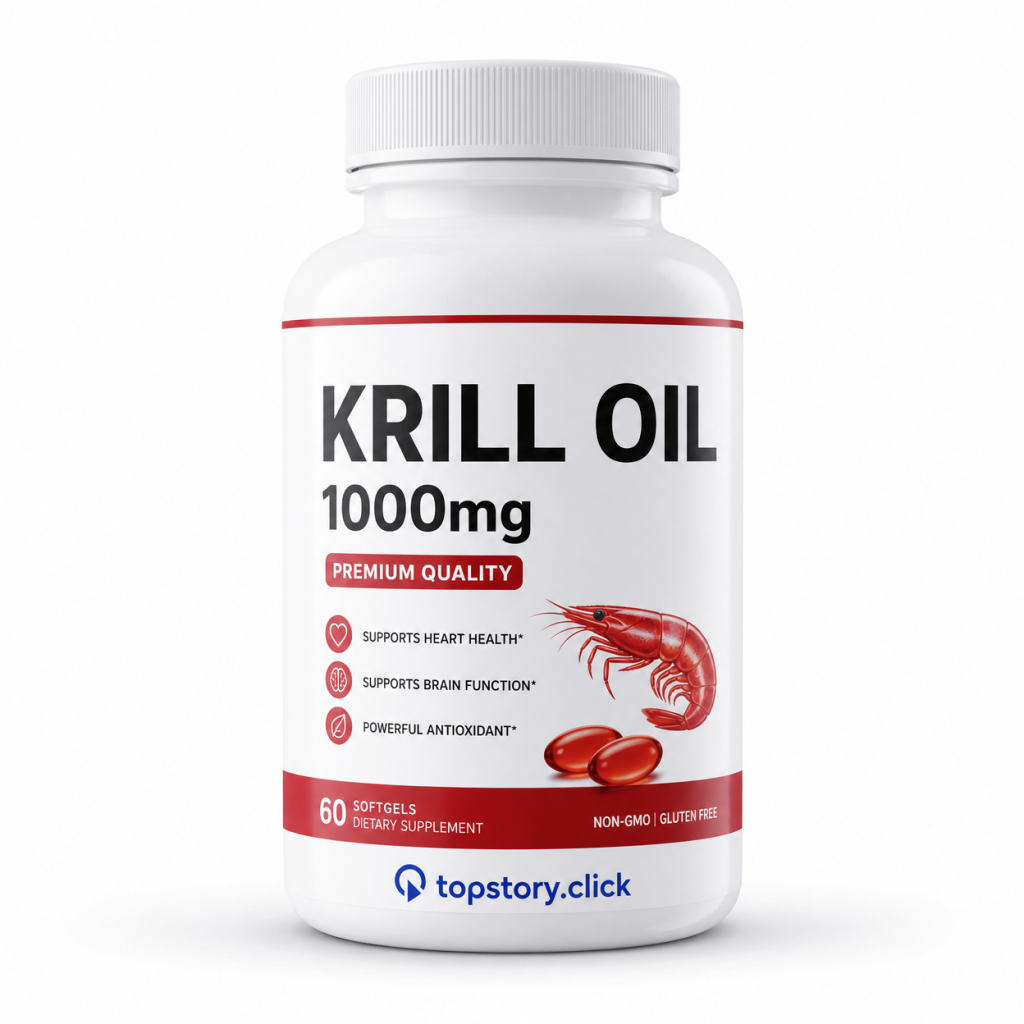
Krill Oil 1000mg: Superior Omega-3 Absorption with Astaxanthin
May
Introduction
Krill oil, derived from Antarctic krill (Euphausia superba), has rapidly gained attention as a premium alternative to traditional fish oil in the omega-3 supplement category. Antarctic krill are small, shrimp-like crustaceans that exist in massive swarms in the Southern Ocean and represent one of the largest marine biomasses on Earth. Despite their size, they play a crucial ecological role as a primary food source for whales, seals, penguins, and many other marine species.
At a supplemental dose of 1000mg per softgel, krill oil delivers meaningful amounts of EPA (eicosapentaenoic acid) and DHA (docosahexaenoic acid), the two essential omega-3 fatty acids responsible for its cardiovascular, neurological, and anti-inflammatory benefits. However, what sets krill oil apart is not just its omega-3 content, but its unique molecular structure, antioxidant profile, and potential differences in bioavailability.
Molecular Structure: The Phospholipid Advantage
The most important distinction between krill oil and fish oil lies in how omega-3 fatty acids are packaged. In fish oil, EPA and DHA are primarily bound to triglycerides. In krill oil, a large proportion of these fatty acids are bound to phospholipids — the same structural form found in human cell membranes.
This distinction is not trivial. Phospholipids are amphipathic molecules, meaning they contain both water-soluble and fat-soluble components. This structure allows them to integrate more readily into biological membranes and micelles, potentially improving absorption efficiency in the gastrointestinal tract.
Because cell membranes in the brain, heart, and retina are themselves composed largely of phospholipids, omega-3s delivered in this form may be more readily incorporated into functional tissue structures. Some studies suggest improved incorporation into red blood cell membranes and possibly more efficient transport to target tissues, although head-to-head comparisons with fish oil show mixed results depending on dose and study design.
Another potential advantage is digestion. Phospholipid-bound fats may not require bile-dependent emulsification to the same extent as triglycerides, potentially improving absorption in individuals with suboptimal fat digestion or gallbladder function.
Astaxanthin: A Built-In Antioxidant Shield
One of the defining features of krill oil is its natural content of astaxanthin, a red-orange carotenoid responsible for the pigment in krill, salmon, and flamingos. Astaxanthin is widely regarded as one of the most powerful lipid-soluble antioxidants known in nature.
It functions by inserting itself across cell membranes, where it protects both the inner and outer layers of the lipid bilayer from oxidative damage. Unlike many antioxidants, astaxanthin does not become pro-oxidant after neutralizing free radicals, making it exceptionally stable in biological systems.
In krill oil, astaxanthin serves two critical roles:
First, it protects EPA and DHA from oxidation during storage and digestion. Omega-3 fatty acids are highly unsaturated and therefore extremely vulnerable to lipid peroxidation, which can produce harmful oxidative byproducts if the oil becomes rancid.
Second, it provides independent health benefits, including reduction of systemic inflammation, improvement in skin elasticity and UV protection, enhancement of visual acuity, and reduction of exercise-induced muscle fatigue.
This built-in antioxidant system gives krill oil a structural stability advantage over many conventional fish oils, particularly those not adequately protected against oxidation.
Cardiovascular Health and Lipid Regulation
Like fish oil, krill oil has well-documented effects on cardiovascular risk factors. Clinical studies show that it can reduce serum triglycerides by inhibiting hepatic VLDL synthesis and enhancing lipid clearance. It also supports endothelial function by increasing nitric oxide availability, which helps maintain vascular flexibility and healthy blood pressure.
Some comparative studies suggest that krill oil may achieve similar triglyceride reductions at lower doses of EPA and DHA compared to fish oil. This has led researchers to hypothesize that phospholipid-bound omega-3s may exhibit higher biological efficiency in certain metabolic contexts.
Krill oil also exerts anti-inflammatory effects within vascular tissue, reducing levels of C-reactive protein (CRP) and other inflammatory biomarkers associated with atherosclerosis. In addition, it inhibits platelet aggregation, which contributes to reduced risk of thrombotic cardiovascular events.
Brain Function and Neurological Effects
DHA is a critical structural component of the brain, accounting for a large proportion of neuronal membrane fatty acids. Because krill oil delivers DHA in phospholipid form, some researchers propose that it may have enhanced ability to cross the blood-brain barrier.
Transport of DHA into the brain is not passive; it is regulated by specific transport proteins that preferentially recognize lysophosphatidylcholine-bound DHA. Since phospholipid-based omega-3s more closely resemble this structure, they may theoretically offer more efficient delivery to neural tissue.
Neurologically, DHA supports synaptic plasticity, neurotransmitter receptor function, and membrane fluidity — all essential for learning, memory, and cognitive performance. EPA complements this by modulating neuroinflammation, which is increasingly recognized as a contributing factor in depression, anxiety, and neurodegenerative diseases.
Although direct clinical comparisons between krill oil and fish oil on cognitive outcomes are limited, both forms support brain health through overlapping biochemical pathways.
Hormonal Balance and PMS Relief
One of the most distinctive clinical findings associated with krill oil is its effect on premenstrual syndrome (PMS). In randomized controlled trials, krill oil has demonstrated significant improvements in both physical and emotional PMS symptoms, including mood swings, irritability, breast tenderness, bloating, and joint discomfort.
In some studies, krill oil outperformed fish oil even when EPA and DHA doses were lower. Researchers believe this may be due to the combined effects of phospholipid-bound omega-3s and astaxanthin’s anti-inflammatory and neuromodulatory properties.
Omega-3 fatty acids influence hormonal balance by modulating prostaglandin synthesis. EPA-derived eicosanoids tend to be less inflammatory than those derived from arachidonic acid, which is often elevated during the luteal phase of the menstrual cycle. This shift may reduce the intensity of inflammatory and mood-related symptoms associated with hormonal fluctuations.
Joint Health and Inflammation Control
Krill oil has shown benefits in reducing joint pain and stiffness, particularly in individuals with mild osteoarthritis or chronic low-grade inflammation. EPA and DHA are metabolized into specialized pro-resolving mediators (SPMs), including resolvins and protectins, which actively terminate inflammatory responses and promote tissue recovery.
Astaxanthin further contributes by reducing oxidative stress within joint tissues, potentially slowing degenerative changes associated with cartilage breakdown.
Some clinical studies have demonstrated improvements in joint function and pain scores within weeks of supplementation, even at relatively low doses of omega-3 content.
Metabolic Health and Body Composition
Emerging evidence suggests that omega-3 fatty acids may improve metabolic flexibility by enhancing insulin sensitivity and promoting fat oxidation. Krill oil may also influence adipokine signaling, including leptin and adiponectin, which regulate appetite and fat storage.
Although effects on body weight are modest, krill oil may contribute to reductions in visceral fat when combined with dietary and lifestyle interventions. Its anti-inflammatory properties may also improve metabolic health in individuals with insulin resistance or metabolic syndrome.
Safety, Tolerability, and Digestive Experience
Krill oil is generally well tolerated and has a favorable safety profile. The most commonly reported side effects are mild gastrointestinal symptoms such as nausea or loose stools, which are typically dose-dependent and transient.
A key practical advantage over fish oil is improved tolerability in terms of taste and aftereffects. Many users report significantly reduced incidence of fishy burps or aftertaste, likely due to the phospholipid structure and natural antioxidant content stabilizing the oil.
Individuals with shellfish allergies should exercise caution, as krill are crustaceans, although highly purified krill oil may contain minimal allergenic proteins.
Sustainability and Environmental Impact
From an ecological perspective, Antarctic krill fisheries are among the most strictly regulated in the world. Managed under international agreements and monitored by the Commission for the Conservation of Antarctic Marine Living Resources (CCAMLR), krill harvesting is subject to strict quotas designed to preserve the marine ecosystem.
Many krill oil products also carry Marine Stewardship Council (MSC) certification, indicating adherence to sustainable fishing practices. This makes krill oil one of the more environmentally considered sources of marine omega-3s.
Conclusion
Krill Oil 1000mg represents a premium omega-3 supplement distinguished by its phospholipid-bound EPA and DHA, natural astaxanthin content, and potential advantages in bioavailability, oxidative stability, and tolerability. While fish oil remains the most extensively studied and widely used omega-3 source, krill oil offers a structurally unique alternative with promising benefits in cardiovascular health, brain function, hormonal balance, joint comfort, and inflammatory regulation.
For individuals seeking a more advanced form of omega-3 supplementation — particularly those sensitive to fish oil or interested in additional antioxidant support — krill oil provides a scientifically grounded and highly bioactive option within modern nutritional supplementation.
