Post
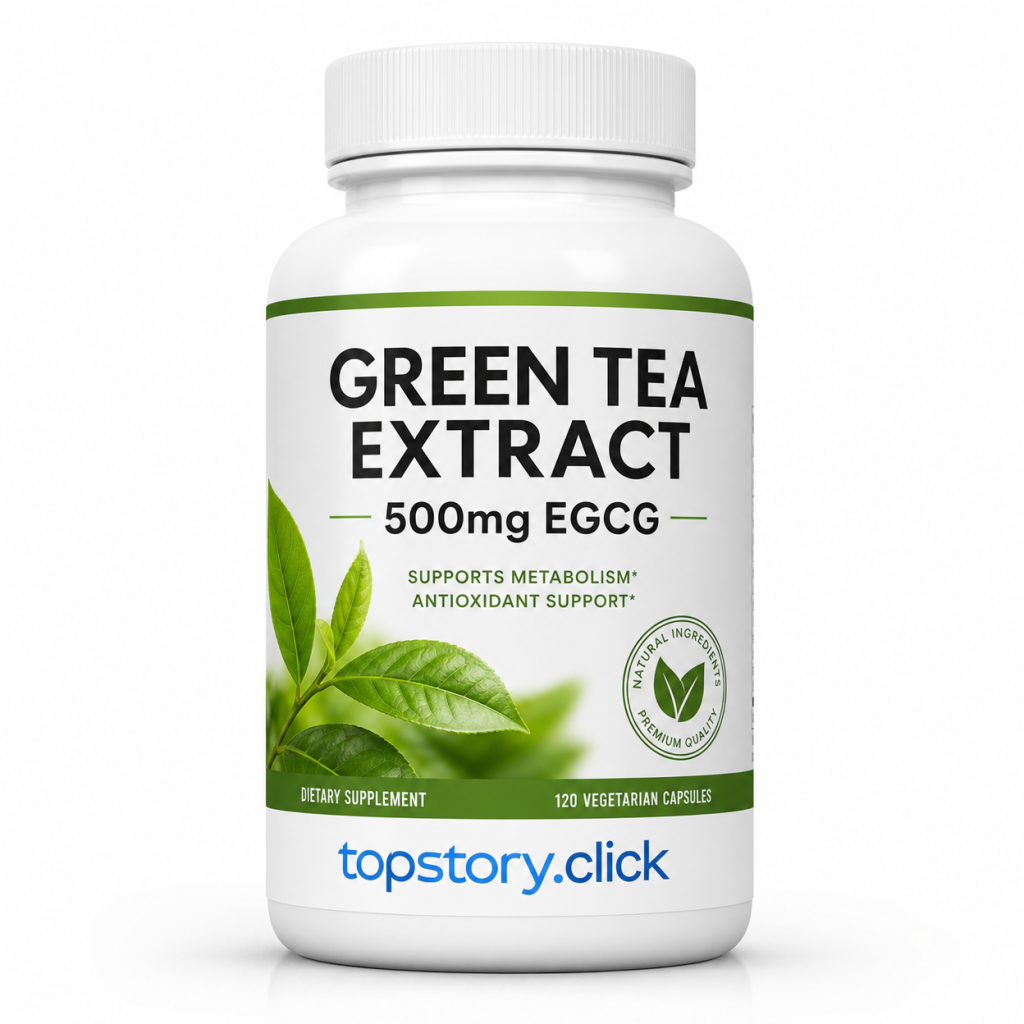
Green Tea Extract 500mg EGCG: Antioxidant, Metabolism, and Brain Power
May
Introduction
Green tea (Camellia sinensis) is one of the most scientifically validated botanical sources of bioactive compounds in human nutrition. Consumed for thousands of years across East Asia, it has long been associated with longevity, cardiovascular vitality, cognitive clarity, and metabolic balance. Modern research attributes most of these effects to a class of polyphenols known as catechins, with epigallocatechin gallate (EGCG) being the most abundant and biologically active.
Green Tea Extract 500mg standardized for EGCG delivers a concentrated dose of these compounds, equivalent to several cups of brewed green tea, without requiring high daily fluid intake or caffeine exposure from multiple servings.
Bioactive Profile and Mechanisms of Action
Green tea contains four primary catechins:
- Epigallocatechin gallate (EGCG) — most potent and abundant
- Epigallocatechin (EGC)
- Epicatechin gallate (ECG)
- Epicatechin (EC)
Among these, EGCG is responsible for the majority of green tea’s pharmacological effects due to its strong ability to modulate oxidative stress, inflammatory signaling, and cellular metabolism.
Antioxidant System Modulation
EGCG acts as a dual-function antioxidant:
- Direct scavenging of reactive oxygen species (ROS)
- Upregulation of endogenous antioxidant enzymes such as:
- Superoxide dismutase (SOD)
- Glutathione peroxidase
- Catalase
This indirect activation of internal defense systems is more biologically significant than simple free radical neutralization, as it enhances long-term cellular resilience.
Anti-Inflammatory and Cellular Signaling Effects
One of EGCG’s most important mechanisms is its ability to regulate gene expression through inflammatory signaling pathways.
Key targets include:
- NF-κB (nuclear factor kappa B), a master regulator of inflammation
- MAPK signaling pathways
- Pro-inflammatory cytokines such as IL-6, TNF-α, and IL-1β
By suppressing chronic low-grade inflammation, EGCG influences nearly every major chronic disease pathway, including cardiovascular disease, diabetes, neurodegeneration, and cancer progression.
Metabolic Health and Fat Oxidation
Thermogenesis and Energy Expenditure
Green tea extract is one of the most studied natural thermogenic agents. EGCG inhibits catechol-O-methyltransferase (COMT), the enzyme responsible for breaking down norepinephrine. By prolonging norepinephrine activity, EGCG enhances:
- Fat oxidation
- Thermogenic energy expenditure
- Mobilization of stored triglycerides
This mechanism explains the modest but consistent reductions in body fat observed in clinical trials.
AMPK Activation and Metabolic Regulation
EGCG activates AMP-activated protein kinase (AMPK), a central metabolic “energy sensor” that regulates:
- Glucose uptake
- Fatty acid oxidation
- Mitochondrial efficiency
- Insulin sensitivity
AMPK activation is often compared to a cellular “switch” that shifts metabolism from storage mode to energy utilization mode.
Cardiovascular Protection
Green tea extract has one of the strongest epidemiological associations with cardiovascular health among dietary botanicals.
Key cardiovascular benefits include:
- Reduced LDL cholesterol oxidation (a key step in atherosclerosis formation)
- Improved endothelial function (vascular flexibility and nitric oxide signaling)
- Reduced arterial stiffness
- Mild blood pressure reduction
- Inhibition of platelet aggregation
Large population studies consistently show that regular green tea consumption is associated with reduced risk of heart disease and stroke, particularly in East Asian populations with long-term habitual intake.
Blood Sugar Control and Insulin Sensitivity
EGCG contributes to improved glucose metabolism through multiple mechanisms:
- Enhanced insulin sensitivity in peripheral tissues
- Reduced intestinal glucose absorption
- AMPK-mediated regulation of hepatic glucose production
- Reduction in oxidative stress in pancreatic beta cells
Clinical meta-analyses show improvements in fasting glucose and HbA1c, particularly in individuals with impaired glucose tolerance or early metabolic dysfunction.
Brain Function and Neuroprotection
EGCG is able to cross the blood–brain barrier and exert direct effects on neural tissue.
Neuroprotective Actions
- Reduces beta-amyloid aggregation (Alzheimer’s disease pathway)
- Inhibits tau protein hyperphosphorylation
- Protects dopaminergic neurons (relevant in Parkinson’s disease)
- Reduces neuroinflammation and oxidative neuronal damage
Cognitive Performance
Green tea extract also improves functional cognition through a combination of EGCG and L-theanine synergy, producing:
- Enhanced attention stability
- Improved working memory
- Increased alpha-wave brain activity (relaxed alertness)
- Reduced mental fatigue
This combination is often described as “calm focus” — increased cognitive efficiency without overstimulation.
Liver Health and Detoxification Support
EGCG supports hepatic function by:
- Reducing hepatic fat accumulation
- Enhancing antioxidant enzyme activity in liver tissue
- Protecting hepatocytes from oxidative damage
- Supporting phase II detoxification pathways
Clinical studies suggest benefits in non-alcoholic fatty liver disease (NAFLD), particularly when combined with dietary and lifestyle changes.
Antimicrobial and Oral Health Effects
EGCG has broad antimicrobial activity against bacteria, viruses, and fungi.
Oral Health
- Inhibits Streptococcus mutans (major cavity-causing bacteria)
- Reduces plaque formation
- Supports gum health and reduces oral inflammation
Systemic Antimicrobial Activity
- H. pylori (gastric pathogen)
- E. coli and other intestinal bacteria
- Staphylococcus aureus (including resistant strains in vitro)
- Various influenza and herpes viruses (laboratory evidence)
These effects are largely driven by EGCG’s ability to disrupt microbial membranes and inhibit replication enzymes.
Cancer Research and Chemoprevention Potential
EGCG is one of the most extensively studied plant compounds in oncology research.
Mechanisms include:
- Inhibition of cancer cell proliferation signaling pathways
- Induction of apoptosis (programmed cancer cell death)
- Suppression of angiogenesis (tumor blood vessel formation)
- Epigenetic regulation of oncogene expression
Epidemiological data consistently show lower cancer incidence in populations with high habitual green tea consumption, particularly for breast, prostate, colorectal, and ovarian cancers.
While not a treatment, EGCG is considered a strong chemopreventive compound in nutritional oncology research.
Liver Safety and Dosage Considerations
A 500mg green tea extract typically provides approximately 200–400mg of EGCG, depending on standardization.
At this level:
- Well within clinically studied safe range
- Below thresholds associated with hepatotoxicity (typically >800mg EGCG/day in high-risk scenarios)
- Generally well tolerated when taken with food
Potential side effects at higher doses may include:
- Nausea (especially on empty stomach)
- Mild gastrointestinal discomfort
- Rare liver enzyme elevation in sensitive individuals
Caffeine content varies by formulation; decaffeinated extracts are available for sensitive users.
Practical Use and Absorption Considerations
Green tea extract is best absorbed when:
- Taken with meals to reduce gastric irritation
- Not combined with excessive iron intake (EGCG may reduce non-heme iron absorption)
- Used consistently over time for metabolic and cardiovascular benefits
Unlike acute stimulants, many of EGCG’s benefits are cumulative and depend on sustained intake.
Conclusion
Green Tea Extract 500mg standardized for EGCG represents one of the most versatile plant-derived supplements in modern nutrition science. Its ability to influence multiple biological systems — including metabolism, cardiovascular function, brain health, inflammation, and cellular protection — makes it uniquely broad in therapeutic scope.
Supported by extensive epidemiological data and a growing body of clinical research, EGCG offers a well-balanced profile of efficacy and safety when used at standard doses, making it a practical daily supplement for long-term health optimization.
