Post
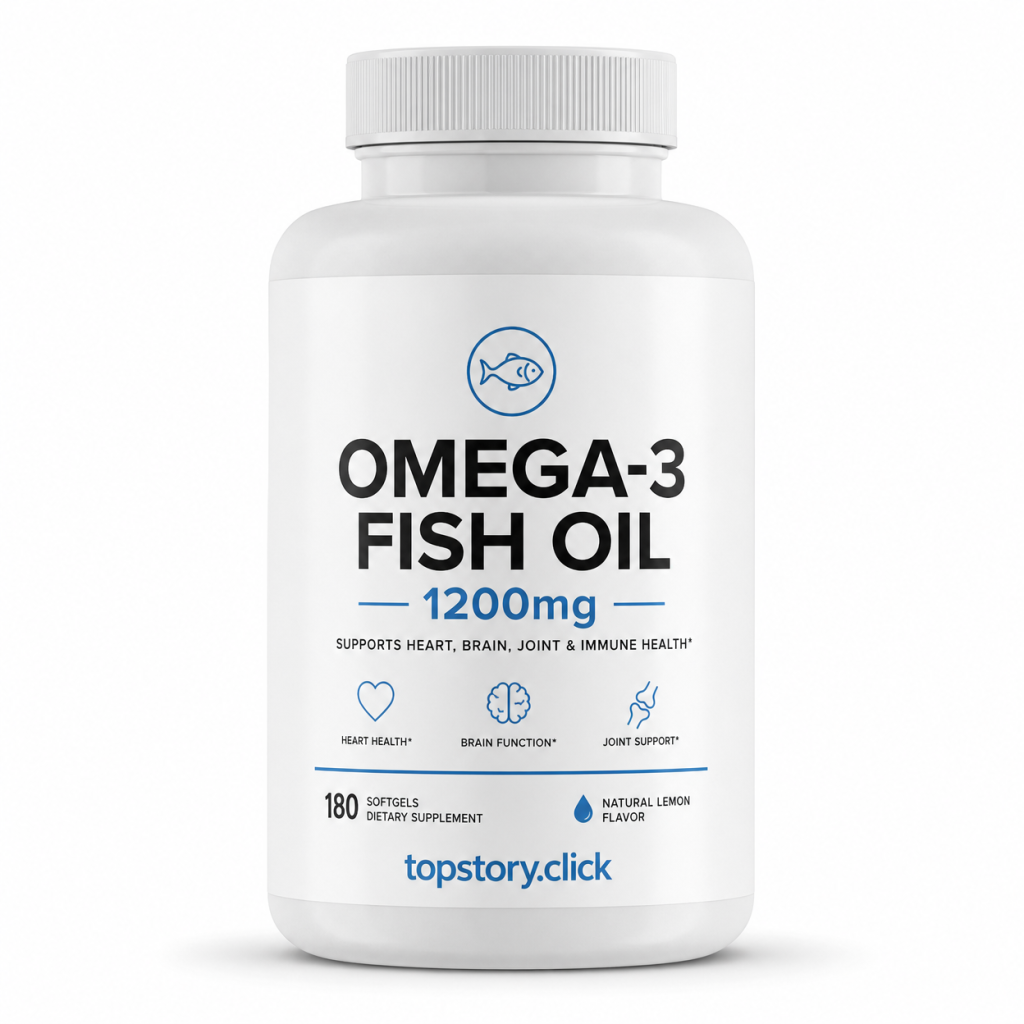
Omega-3 Fish Oil 1200mg: Essential Fats for Heart, Brain, and Beyond
May
Introduction
Omega-3 fatty acids are among the most extensively researched and broadly recommended nutritional supplements in modern clinical nutrition. Classified as essential fatty acids, EPA (eicosapentaenoic acid) and DHA (docosahexaenoic acid) cannot be synthesized efficiently by the human body and must therefore be obtained through diet or supplementation. These fatty acids are fundamental structural components of cell membranes and serve as precursors to a wide range of bioactive lipid mediators that regulate inflammation, vascular tone, immune function, and neuronal signaling.
Fish oil supplements provide a concentrated and highly bioavailable source of EPA and DHA, making them one of the most impactful interventions for long-term cardiovascular, neurological, and metabolic health. A standard 1200mg fish oil softgel typically delivers a combined 600mg of EPA and DHA, although concentrations vary depending on purification and formulation methods.
Understanding EPA and DHA in Human Physiology
EPA and DHA play distinct but complementary roles in human biology. EPA is primarily involved in the modulation of inflammatory processes and cardiovascular regulation, while DHA is structurally critical, especially in the brain, retina, and nervous system.
DHA accounts for approximately 30–40% of the polyunsaturated fatty acids in the brain’s gray matter and is essential for maintaining membrane fluidity, synaptic plasticity, and efficient neurotransmission. EPA, on the other hand, is more dynamically involved in producing eicosanoids and specialized pro-resolving mediators (SPMs), such as resolvins and protectins, which actively terminate inflammatory responses.
The human body converts plant-based omega-3 sources such as ALA (alpha-linolenic acid) into EPA and DHA at extremely low efficiency—generally less than 10% for EPA and under 1% for DHA. This biochemical limitation makes direct supplementation with marine-derived omega-3s significantly more effective for achieving physiologically meaningful tissue levels.
Cardiovascular Protection and Lipid Regulation
One of the most well-established benefits of omega-3 supplementation is its profound effect on cardiovascular health. EPA and DHA reduce serum triglycerides by inhibiting hepatic very-low-density lipoprotein (VLDL) synthesis and enhancing triglyceride clearance. Clinical studies consistently show reductions of 15–30% in triglyceride levels at therapeutic doses.
Omega-3 fatty acids also improve endothelial function by increasing nitric oxide bioavailability, leading to vasodilation and reduced vascular resistance. This contributes to modest but clinically meaningful reductions in blood pressure, typically ranging from 1–5 mmHg in hypertensive individuals.
Furthermore, omega-3s reduce platelet aggregation, thereby decreasing the risk of thrombotic events such as myocardial infarction and ischemic stroke. Large-scale clinical evidence, including the REDUCE-IT trial using high-dose EPA, demonstrated a 25% reduction in major adverse cardiovascular events in high-risk populations, reinforcing the therapeutic relevance of omega-3 supplementation in cardiovascular disease prevention.
Neurological Function and Cognitive Health
DHA is indispensable for brain structure and function. During fetal development, DHA accumulation in the brain is rapid, particularly in the third trimester and early infancy. This period is critical for neuronal growth, synaptogenesis, and myelination.
In adults, DHA continues to support synaptic plasticity and membrane fluidity, which are essential for learning, memory, and cognitive flexibility. Low omega-3 status has been associated with increased risk of neurodegenerative diseases, including Alzheimer’s disease, as well as accelerated cognitive decline in aging populations.
EPA plays a more functional role in mood regulation. Multiple clinical trials have shown that EPA-rich formulations can significantly reduce symptoms of depression, particularly in individuals with inflammatory or treatment-resistant depression. The proposed mechanisms include modulation of inflammatory cytokines, regulation of serotonin signaling, and normalization of hypothalamic-pituitary-adrenal (HPA) axis activity.
Anti-Inflammatory and Immune Modulation
Unlike conventional anti-inflammatory agents that suppress immune activity, omega-3 fatty acids actively resolve inflammation. EPA and DHA are enzymatically converted into specialized pro-resolving mediators (SPMs), including resolvins, protectins, and maresins. These compounds do not simply inhibit inflammation but actively promote its resolution and tissue repair.
This mechanism is particularly relevant in chronic inflammatory conditions such as rheumatoid arthritis, metabolic syndrome, and cardiovascular disease. Clinical trials consistently show that omega-3 supplementation reduces joint stiffness, pain severity, and reliance on nonsteroidal anti-inflammatory drugs (NSAIDs) in patients with inflammatory arthritis.
Omega-3s also modulate immune cell function by altering membrane composition in leukocytes, leading to more balanced cytokine production and reduced excessive inflammatory signaling.
Eye Health and Retinal Function
DHA is highly concentrated in the photoreceptor cells of the retina, where it plays a crucial role in visual signal transduction. Adequate DHA levels are essential for maintaining retinal integrity, particularly in low-light conditions where photoreceptor regeneration is critical.
Deficiency in omega-3 fatty acids has been associated with an increased risk of age-related macular degeneration (AMD), one of the leading causes of vision loss in older adults. Supplementation supports retinal health and may slow the progression of degenerative eye conditions by reducing oxidative stress and inflammation within retinal tissues.
Metabolic Health and Body Composition
Omega-3 fatty acids improve insulin sensitivity by enhancing cell membrane function and increasing glucose transporter (GLUT-4) activity. This leads to improved glucose uptake in muscle and adipose tissue, helping regulate blood sugar levels.
Additionally, omega-3s influence lipid metabolism by promoting fat oxidation and reducing hepatic fat accumulation. Some studies suggest modest improvements in body composition, particularly when combined with diet and exercise, including reductions in visceral fat in overweight individuals.
Pregnancy and Early-Life Development
During pregnancy, DHA is critical for fetal brain and visual development. Adequate maternal intake is associated with higher birth weight, longer gestational duration, improved visual acuity, and enhanced cognitive outcomes in children.
Health authorities commonly recommend 200–300mg of DHA daily during pregnancy and lactation to support optimal neurodevelopment. Breast milk DHA content is directly influenced by maternal omega-3 status, further highlighting its importance during early life.
Mental Health Applications
Omega-3 fatty acids have gained significant attention in psychiatric research. Meta-analyses indicate that EPA-dominant formulations can reduce depressive symptoms, particularly in individuals with elevated inflammatory markers. The antidepressant effects are thought to arise from modulation of serotonin and dopamine pathways, reduction of neuroinflammation, and improved neuronal membrane function.
Emerging evidence also supports potential benefits in bipolar disorder, ADHD, and anxiety disorders, although further large-scale clinical trials are ongoing.
Quality, Purity, and Absorption Considerations
Not all fish oil supplements are created equal. High-quality products are characterized by high EPA and DHA concentration per gram, molecular distillation to remove heavy metals (such as mercury, lead, and cadmium), and oxidation control to prevent rancidity.
The triglyceride form of omega-3 is generally better absorbed than the ethyl ester form. Third-party certifications such as IFOS (International Fish Oil Standards) provide additional assurance of purity, potency, and freshness.
Proper storage is also essential, as omega-3 fatty acids are highly susceptible to oxidation when exposed to heat, light, or air.
Safety and Tolerability
Fish oil is generally safe and well tolerated. The most common side effects include mild gastrointestinal discomfort, fishy aftertaste, or burping, which can be minimized by taking supplements with meals.
At high doses, omega-3s may have mild blood-thinning effects, so caution is advised for individuals taking anticoagulant or antiplatelet medications. However, within standard supplementation ranges (1–3g EPA+DHA daily), the safety profile remains excellent.
Conclusion
Omega-3 Fish Oil 1200mg represents one of the most evidence-based nutritional interventions available for supporting long-term human health. Its wide-ranging effects on cardiovascular protection, brain function, inflammation regulation, metabolic balance, and developmental health make it a foundational supplement in preventive medicine.
For individuals who do not regularly consume fatty fish, supplementation provides a practical and reliable method to maintain optimal EPA and DHA levels. Supported by decades of clinical research and large-scale epidemiological data, omega-3 fatty acids remain a cornerstone of modern nutritional science and a key contributor to overall health and longevity.
