Post
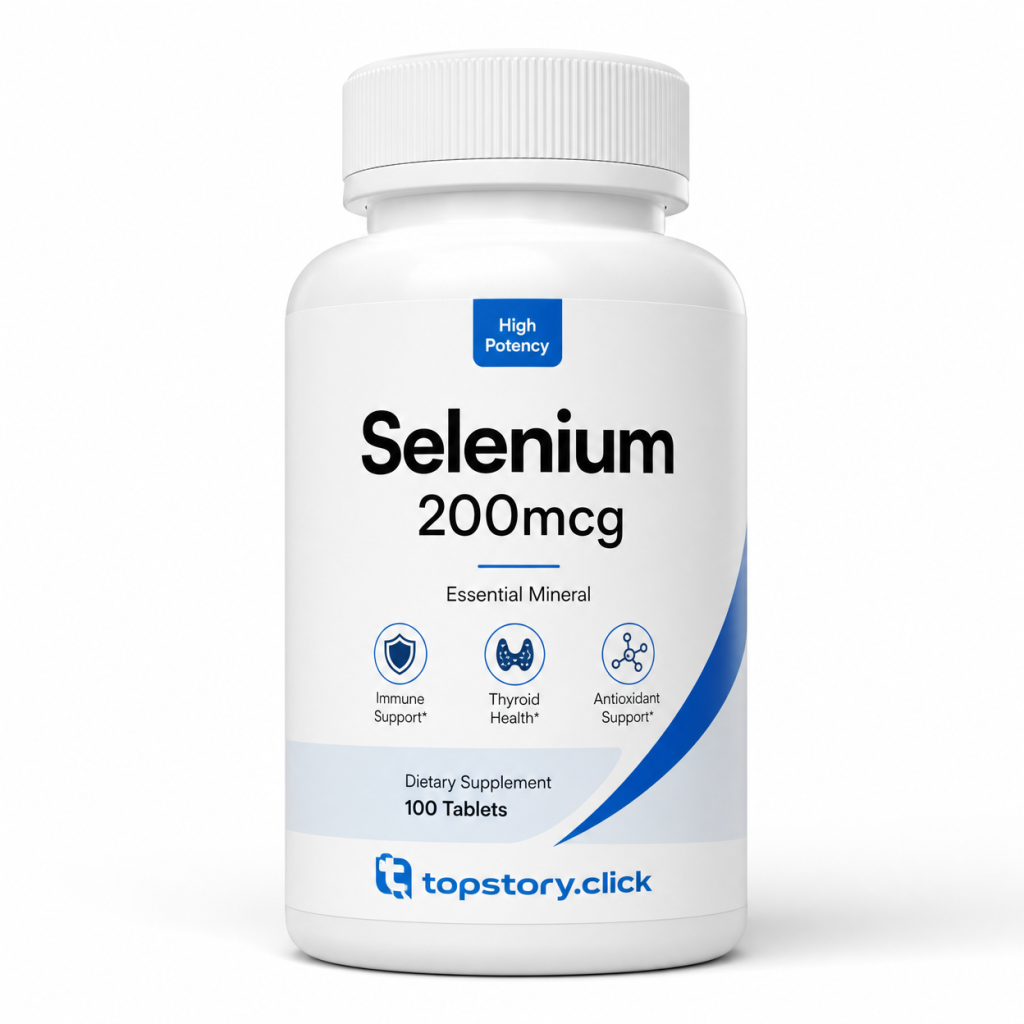
Selenium 200mcg: Antioxidant Powerhouse and Thyroid Protector
May
Introduction
Selenium is a trace mineral required in extremely small amounts, yet it is indispensable for human biology. Unlike many nutrients that act as simple cofactors, selenium is structurally built into a specialized group of proteins known as selenoproteins, which regulate antioxidant defense, thyroid hormone metabolism, immune signaling, and reproductive function.
Although required only in microgram quantities, selenium has a disproportionately large impact on health. At a supplemental dose of 200mcg, it supports optimal enzymatic activity in systems that are highly sensitive to oxidative stress and hormonal imbalance.
Modern agricultural practices have reduced selenium content in soil across many regions, meaning dietary intake alone is often insufficient. For this reason, selenium supplementation has become a practical strategy to maintain adequate physiological levels.
Selenoproteins: The Functional Core of Selenium Biology
Selenium’s effects are mediated almost entirely through selenoproteins, which incorporate the amino acid selenocysteine at their active sites. This unique incorporation allows selenium to participate directly in redox reactions that protect cells from oxidative damage.
Humans possess at least 25 known selenoproteins, several of which are critical for survival:
Glutathione Peroxidases (GPx)
These enzymes neutralize hydrogen peroxide and lipid peroxides, preventing oxidative damage to:
- Cell membranes
- Mitochondria
- DNA structures
They are among the body’s most important antioxidant defense systems.
Thioredoxin Reductases
These enzymes regenerate oxidized antioxidants such as:
- Vitamin C
- Vitamin E
They help maintain the overall redox balance of the cell.
Iodothyronine Deiodinases
These enzymes regulate thyroid hormone activation:
- Convert T4 (inactive form) → T3 (active form)
- Control metabolic rate, thermogenesis, and energy production
Selenoprotein P
Acts as the primary selenium transport protein in blood, delivering selenium to tissues such as the brain and testes.
Immune-Regulating Selenoproteins (SELENOS, SELENOF)
These proteins regulate:
- Endoplasmic reticulum stress
- Cytokine production
- Immune cell stability
Together, these systems explain why selenium deficiency affects multiple organ systems simultaneously.
Thyroid Health: Selenium’s Central Role
The thyroid gland contains one of the highest concentrations of selenium per gram of tissue in the body. This is because thyroid hormone metabolism depends heavily on selenium-dependent enzymes.
T4 to T3 Conversion
Thyroid hormone exists in two primary forms:
- T4 (thyroxine) – inactive storage form
- T3 (triiodothyronine) – biologically active form
T4→T3T4 \rightarrow T3
This conversion is catalyzed by selenium-dependent deiodinase enzymes. Without sufficient selenium:
- T4 conversion decreases
- Functional thyroid hormone levels drop
- Metabolic symptoms may appear even with normal lab T4
Protection Against Thyroid Oxidative Stress
Thyroid hormone production naturally generates hydrogen peroxide as a byproduct. Selenium-dependent enzymes neutralize this oxidative stress, protecting thyroid tissue from:
- Inflammation
- Autoimmune damage
- Cellular degeneration
Autoimmune Thyroid Disease Support
One of the most researched applications of selenium is in Hashimoto’s thyroiditis, an autoimmune condition where the immune system attacks thyroid tissue.
Clinical studies show selenium supplementation may:
- Reduce thyroid peroxidase antibody (TPOAb) levels
- Improve ultrasound markers of inflammation
- Support overall thyroid function stability
While selenium is not a cure, it is considered a supportive nutrient in immune modulation of thyroid autoimmunity.
Antioxidant Defense and Cellular Protection
Selenium is central to the body’s antioxidant network.
Mechanisms of Action
Through glutathione peroxidase and thioredoxin reductase, selenium:
- Neutralizes reactive oxygen species (ROS)
- Prevents lipid peroxidation
- Reduces DNA damage
- Supports mitochondrial integrity
This makes selenium especially important in tissues with high metabolic activity, such as:
- Brain
- Thyroid
- Liver
- Immune system cells
Chronic low selenium status is associated with increased oxidative stress markers and systemic inflammation.
Immune System Function
Selenium plays a regulatory role in both innate and adaptive immunity.
Immune Benefits
Adequate selenium supports:
- T-cell activation and proliferation
- Natural killer (NK) cell activity
- Antibody production
- Balanced cytokine signaling
Viral Defense
Selenium deficiency has been linked to increased susceptibility and severity of viral infections due to impaired immune response and elevated oxidative stress.
In selenium-deficient populations, even relatively mild viral infections may result in more severe outcomes.
Cardiovascular Health
Selenium contributes to heart health primarily through its antioxidant functions.
LDL Protection
One key mechanism is preventing oxidation of LDL cholesterol:
- Oxidized LDL → contributes to plaque formation
- Selenium-dependent enzymes → reduce oxidative modification
Historical Evidence
Severe selenium deficiency is associated with Keshan disease, a cardiomyopathy first identified in selenium-poor regions of China. This condition highlights selenium’s essential role in cardiac muscle integrity.
Male Fertility and Reproductive Health
Selenium is highly concentrated in reproductive tissues, particularly the testes.
Sperm Health Functions
Selenium supports:
- Sperm motility
- Structural integrity of sperm cells
- DNA stability
- Reduced oxidative damage in semen
Selenoprotein P Role
Selenoprotein P transports selenium directly to reproductive tissues, ensuring adequate supply for spermatogenesis.
Clinical studies show selenium supplementation can improve semen quality, especially in men with low baseline selenium status.
Cognitive Function and Brain Health
The brain is highly sensitive to oxidative stress due to:
- High oxygen consumption
- High lipid content
- Intensive metabolic activity
Selenium supports brain health by:
- Reducing oxidative neuronal damage
- Supporting antioxidant enzyme systems
- Potentially slowing cognitive decline in aging populations
Lower selenium levels have been observed in individuals with neurodegenerative conditions, although research is ongoing.
Cancer Research and Protective Mechanisms
Selenium has been extensively studied in oncology research.
Proposed Protective Mechanisms
- DNA damage reduction
- Promotion of apoptosis in abnormal cells
- Inhibition of angiogenesis (tumor blood vessel formation)
- Immune system enhancement
Observational Evidence
Higher selenium status is associated in multiple studies with reduced risk of:
- Colorectal cancer
- Prostate cancer
- Lung cancer
- Bladder cancer
However, selenium is not considered a standalone cancer prevention therapy but rather a supportive micronutrient in cellular protection.
Optimal Dosage: Why 200mcg Is Used
The recommended dietary allowance (RDA) for selenium is approximately:
55 μg55\,\mu g
However, modern diets often fall short due to low soil selenium content.
Why 200mcg is Common in Supplementation
- Matches levels used in clinical trials
- Supports full selenoprotein activity
- Compensates for dietary variability
- Remains safely below toxicity threshold
Safety Range
- Upper tolerable limit: ~400mcg/day
- Toxicity risk (selenosis) occurs above this level chronically
Symptoms of excess include:
- Hair loss
- Brittle nails
- Metallic taste
- Digestive upset
- Neurological symptoms
At 200mcg, selenium is generally considered safe for long-term use in healthy individuals.
Who May Benefit from Selenium Supplementation
Selenium 200mcg may be particularly useful for:
- Individuals with thyroid disorders (especially Hashimoto’s)
- People with low dietary seafood or nut intake
- Those living in selenium-poor soil regions
- Individuals with high oxidative stress exposure
- Men concerned with fertility support
- Individuals seeking immune system optimization
Food Sources vs Supplementation
Natural selenium sources include:
- Brazil nuts (very high but variable content)
- Seafood (tuna, sardines, shrimp)
- Organ meats
- Eggs
- Whole grains
However, selenium content in food depends heavily on soil composition, making supplementation a more reliable method of achieving consistent intake.
Conclusion
Selenium 200mcg is a precisely targeted micronutrient that supports some of the most fundamental biological systems in the human body. Through its integration into selenoproteins, it regulates thyroid hormone activation, strengthens antioxidant defenses, supports immune resilience, and contributes to cardiovascular, reproductive, and cognitive health.
Given the variability of dietary intake and the decline of selenium-rich soils in many regions, supplementation at 200mcg offers a practical and evidence-based approach to maintaining optimal selenium status and supporting long-term physiological stability.
