Post
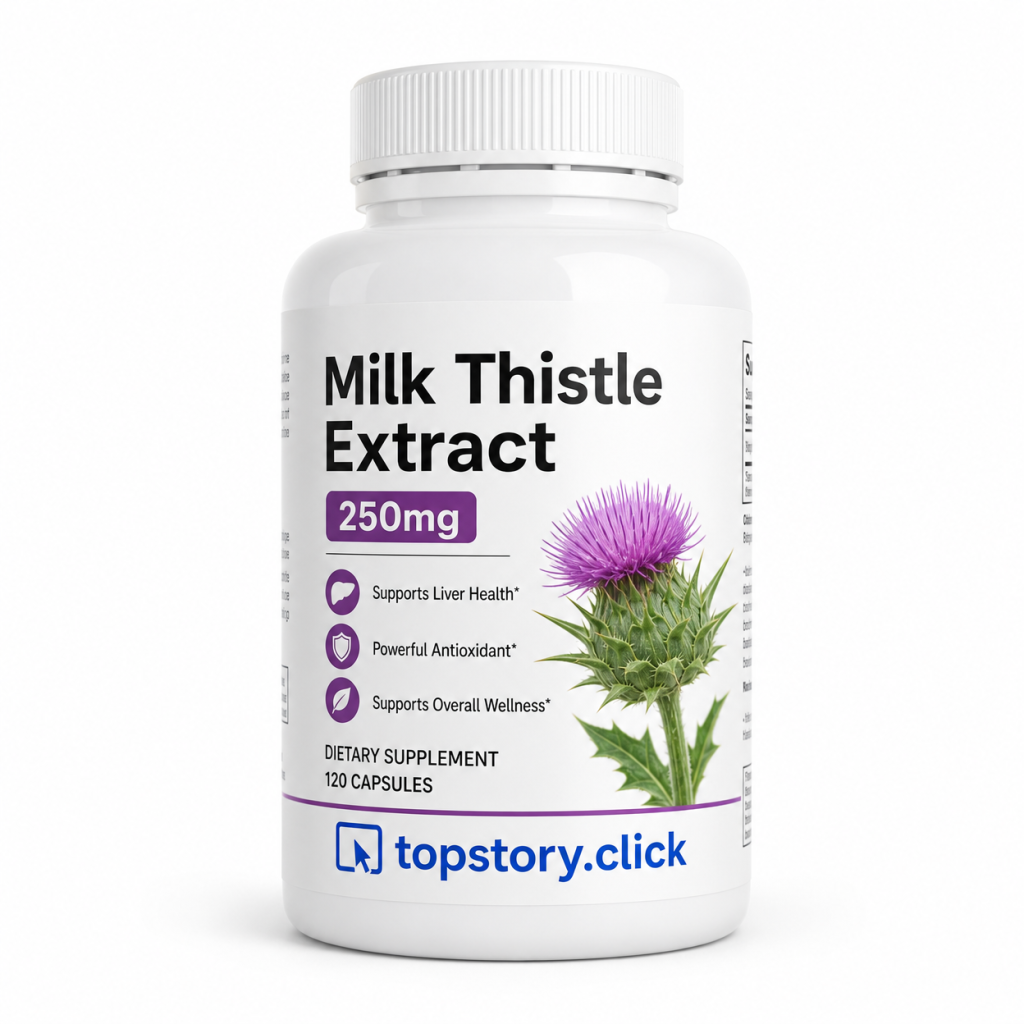
Milk Thistle Extract 250mg: The Premier Liver Protector
May
Introduction
The liver is one of the most metabolically active and biologically essential organs in the human body. It is responsible for more than 500 known functions, including detoxification of endogenous waste products, metabolism of drugs and xenobiotics, bile production, regulation of blood glucose, cholesterol synthesis, and hormone breakdown. Despite its central role in maintaining systemic homeostasis, liver health is often neglected until dysfunction becomes clinically apparent.
Milk thistle (Silybum marianum) is one of the oldest documented herbal medicines used specifically for liver support. Its therapeutic use dates back more than 2,000 years, with historical records in Greek, Roman, and traditional European herbal medicine describing its use for “liver cleansing,” jaundice, and toxin exposure. Modern pharmacology has since validated these traditional claims through extensive research on its active extract, silymarin.
At a standardized dose of 250mg, milk thistle extract provides clinically relevant hepatoprotective activity supported by decades of biochemical, animal, and human studies.
What Is Silymarin?
Silymarin is not a single compound but rather a complex mixture of flavonolignans extracted primarily from the seeds of milk thistle. The major biologically active constituents include:
- Silybin A and B (silibinin) – the most potent and well-studied components
- Silychristin
- Silydianin
- Isosilybin A and B
Among these, silybin accounts for approximately 50–70% of total silymarin activity and is considered the primary driver of its hepatoprotective effects.
Most standardized extracts contain 70–80% silymarin, ensuring consistent pharmacological activity. A 250mg standardized extract therefore typically delivers around 175–200mg of active silymarin compounds.
Silymarin is both lipophilic and amphipathic, allowing it to interact with cell membranes, intracellular signaling pathways, and antioxidant systems simultaneously — a key reason for its broad protective effects.
Mechanisms of Liver Protection
Milk thistle exerts hepatoprotective effects through multiple complementary biological mechanisms rather than a single pathway.
1. Antioxidant Activity and Glutathione Preservation
Oxidative stress is a major driver of liver injury in conditions such as fatty liver disease, alcohol-related liver damage, and drug-induced hepatotoxicity.
Silymarin acts as a potent antioxidant by:
- Scavenging reactive oxygen species (ROS)
- Increasing intracellular glutathione levels
- Enhancing glutathione peroxidase and superoxide dismutase activity
Glutathione is the liver’s primary intracellular detoxification molecule. It conjugates with toxins, rendering them water-soluble for excretion. Many forms of liver injury are associated with glutathione depletion, and silymarin helps restore this critical defense system.
2. Membrane Stabilization and Hepatocyte Protection
Silymarin integrates into hepatocyte (liver cell) membranes, altering their structure in a way that increases resistance to toxin penetration.
This membrane-stabilizing effect reduces the uptake of harmful substances such as:
- Alcohol metabolites (acetaldehyde)
- Pharmaceutical toxins (e.g., acetaminophen metabolites)
- Environmental pollutants
By strengthening cellular integrity, silymarin reduces direct hepatocyte injury at the structural level.
3. Anti-Inflammatory Effects
Chronic liver disease is strongly driven by inflammation mediated by cytokines and transcription factors.
Silymarin inhibits:
- NF-κB activation (a central inflammatory switch)
- TNF-α, IL-1β, and IL-6 signaling pathways
- Hepatic stellate cell activation (key driver of fibrosis)
This results in reduced inflammatory damage and slower progression of fibrosis in chronic liver conditions.
4. Promotion of Liver Regeneration
One of the most unique properties of silymarin is its ability to stimulate liver regeneration.
It enhances:
- Ribosomal RNA polymerase I activity
- Protein synthesis in hepatocytes
- Cellular proliferation following injury
This regenerative effect is particularly important in recovery from toxic insults, alcohol exposure, or viral hepatitis-related damage.
Key Health Benefits of Milk Thistle Extract 250mg
Liver Disease Support
Milk thistle has been studied across a wide spectrum of liver conditions:
- Alcoholic liver disease
- Non-alcoholic fatty liver disease (NAFLD)
- Viral hepatitis (B and C)
- Drug-induced liver injury
- Cirrhosis (as supportive therapy)
Meta-analyses of randomized controlled trials consistently show improvements in liver enzyme markers such as ALT, AST, and GGT, which are indicators of hepatocellular damage.
While not a replacement for medical treatment in advanced disease, milk thistle is widely used as an adjunct therapy to support liver function and reduce biochemical markers of injury.
Non-Alcoholic Fatty Liver Disease (NAFLD)
NAFLD is now one of the most common liver disorders globally, affecting approximately 1 in 4 adults. It is strongly associated with insulin resistance, obesity, and metabolic syndrome.
Silymarin improves NAFLD through:
- Reduction of hepatic fat accumulation
- Improved insulin signaling in liver cells
- Decreased oxidative stress and lipid peroxidation
- Reduced inflammatory cytokine activity
Clinical studies have demonstrated improvements in liver fat content and enzyme levels after several months of supplementation.
Detoxification Support
The liver detoxifies substances through Phase I and Phase II enzymatic pathways. Silymarin enhances Phase II detoxification, which is responsible for neutralizing and eliminating harmful metabolites.
It upregulates:
- Glutathione S-transferase (GST)
- UDP-glucuronosyltransferase (UGT)
- Sulfation pathways
By enhancing these systems, milk thistle improves the liver’s capacity to process drugs, alcohol, and environmental toxins more efficiently.
Protection Against Drug-Induced Liver Damage
One of the most clinically recognized uses of milk thistle is protection against hepatotoxic drugs, particularly acetaminophen (paracetamol) overdose.
In toxicology settings, intravenous silibinin (a component of silymarin) has been used as an emergency treatment for:
- Acetaminophen-induced liver failure
- Amanita phalloides (death cap mushroom) poisoning
These applications highlight its strong hepatoprotective potential in acute toxic injury.
Blood Sugar Regulation
Emerging research suggests that silymarin also supports metabolic health beyond the liver.
It improves:
- Insulin sensitivity
- Fasting blood glucose
- HbA1c levels in type 2 diabetes patients
These effects are believed to result from reduced hepatic inflammation and improved insulin receptor signaling in liver tissue.
Cholesterol and Lipid Metabolism
Milk thistle may also support cardiovascular health by influencing lipid metabolism:
- Modest reductions in LDL cholesterol
- Lower triglyceride levels
- Potential increase in HDL cholesterol
These effects are especially relevant in individuals with metabolic syndrome or fatty liver disease.
Anti-Cancer Research
Silymarin has been extensively studied in preclinical cancer research. Observed effects include:
- Inhibition of tumor cell proliferation
- Induction of apoptosis (programmed cell death)
- Anti-angiogenic activity (blocking tumor blood supply)
While these findings are promising, most human clinical evidence remains early-stage. Milk thistle is not a cancer treatment but may have preventive or supportive roles in oxidative stress-related disease pathways.
Who Benefits Most?
Milk thistle supplementation may be particularly beneficial for:
- Individuals who consume alcohol regularly
- People with elevated liver enzymes
- Patients with NAFLD or metabolic syndrome
- Those taking hepatotoxic medications
- Individuals exposed to environmental toxins or pollutants
- People undergoing periods of dietary or metabolic stress
It is also commonly used as a general liver-support supplement during periods of increased metabolic burden.
Safety and Tolerability
Milk thistle has an excellent safety profile and is considered one of the safest herbal supplements available.
Side effects are rare and typically mild, including occasional digestive discomfort.
Key considerations include:
- Possible allergy in individuals sensitive to plants in the Asteraceae family (ragweed, daisies, chrysanthemums)
- Potential interaction with drugs metabolized via CYP450 enzymes (generally mild)
- Good overall tolerability even with long-term use
No significant toxicity has been observed in clinical studies at standard doses.
Conclusion
Milk Thistle Extract 250mg provides a scientifically validated, multi-mechanism approach to liver health support. Through its antioxidant, anti-inflammatory, membrane-stabilizing, and regenerative effects, silymarin addresses multiple pathways involved in liver injury and dysfunction.
From fatty liver disease and alcohol-related stress to drug-induced toxicity and metabolic imbalance, milk thistle offers broad-spectrum hepatoprotection backed by both traditional use and modern clinical research.
As liver health becomes increasingly relevant in the context of modern lifestyles, processed diets, and environmental exposure, milk thistle remains one of the most credible and well-researched herbal options available for long-term hepatic support.
