Post
The Best Food Sources for Every Essential Vitamin
Jun
The Best Food Sources for Every Essential Vitamin
In our pursuit of optimal health, understanding what we put into our bodies is paramount. Vitamins, those microscopic powerhouses, play a crucial role in almost every bodily function, from boosting immunity to supporting bone health and even regulating our mood. While supplements offer a quick fix, the most effective and holistic way to get your daily dose of these vital nutrients is through a balanced, whole-food diet. Nature provides an incredible pharmacy of delicious, nutrient-dense foods that can help us thrive.
This comprehensive guide will navigate you through the world of essential vitamins, detailing their specific benefits and, most importantly, identifying the best natural food sources for each. Get ready to transform your plate into a vibrant, health-boosting masterpiece!
Why Vitamins Matter: The Foundation of Good Health
Vitamins are organic compounds that our bodies need in small amounts for various metabolic processes. Unlike macronutrients (carbohydrates, fats, proteins) which provide energy, vitamins act as co-enzymes and regulators, ensuring that these processes run smoothly. Without adequate vitamin intake, our bodies cannot function optimally, leading to a range of health issues, from fatigue and weakened immunity to more serious chronic diseases.
Embracing a vitamin-rich diet offers a multitude of benefits:
- Enhanced Immunity: Vitamins like C, D, and E are critical for a robust immune system, helping your body fight off infections.
- Increased Energy Levels: B vitamins are central to energy metabolism, converting food into usable energy and reducing fatigue.
- Stronger Bones and Teeth: Vitamin D and K are vital for calcium absorption and bone mineralization, preventing conditions like osteoporosis.
- Improved Skin, Hair, and Nails: Vitamins A, C, and E contribute to collagen production, antioxidant protection, and cell regeneration, promoting healthy skin and hair.
- Better Vision: Vitamin A is renowned for its role in maintaining healthy eyesight, especially in low light.
- Heart Health: Antioxidant vitamins and certain B vitamins support cardiovascular function and reduce disease risk.
- Mood Regulation and Brain Function: Many vitamins, particularly B vitamins, are essential for neurotransmitter synthesis, impacting mood, memory, and cognitive performance.
Decoding Fat-Soluble Vitamins (A, D, E, K)
Fat-soluble vitamins are absorbed along with fats in the diet and are stored in the body’s fatty tissues and liver. This means they can accumulate, so while essential, excessive intake from supplements can be harmful. Getting them from food sources is almost always safe and preferable.
Vitamin A (Retinol & Beta-Carotene)
Benefits: Crucial for vision, immune function, cell growth, and healthy skin. Beta-carotene, a precursor to Vitamin A found in plants, also acts as a powerful antioxidant.
Best Food Sources:
- Sweet Potatoes: One medium sweet potato provides over 400% of your daily Vitamin A needs.
- Carrots: A classic source, packed with beta-carotene.
- Spinach & Kale: Leafy greens are incredibly rich in Vitamin A precursors.
- Liver: Beef liver is exceptionally high in preformed Vitamin A.
- Squash (Butternut, Acorn): Excellent autumnal sources.
- Bell Peppers (Red, Yellow, Orange): Contain good amounts of beta-carotene.
- Egg Yolks: A moderate source.
Vitamin D (The Sunshine Vitamin)
Benefits: Essential for calcium absorption and bone health, immune system support, and may play a role in mood regulation. While sunlight is our primary source, dietary intake is also vital.
Best Food Sources:
- Fatty Fish: Salmon, mackerel, tuna, sardines are among the best natural sources.
- Cod Liver Oil: An exceptional source, though often consumed as a supplement.
- Fortified Foods: Milk, orange juice, cereals, and plant-based milks are often fortified with Vitamin D.
- Egg Yolks: Contain a small amount of Vitamin D.
- Mushrooms: Some varieties, especially those exposed to UV light, can provide Vitamin D2.
Vitamin E
Benefits: A powerful antioxidant that protects cells from damage, supports immune function, and contributes to skin and eye health.
Best Food Sources:
- Sunflower Seeds: One of the richest sources.
- Almonds: A fantastic snack packed with Vitamin E.
- Spinach & Broccoli: Green vegetables offer significant amounts.
- Avocado: A delicious and healthy fat source with Vitamin E.
- Wheat Germ Oil: Extremely high in Vitamin E.
- Olive Oil: A good cooking oil source.
- Peanuts: Another legume with notable Vitamin E content.
Vitamin K
Benefits: Crucial for blood clotting and essential for bone health, working alongside Vitamin D to ensure proper calcium utilization.
Best Food Sources:
- Leafy Green Vegetables: Kale, spinach, collard greens, turnip greens are exceptionally high in Vitamin K1.
- Broccoli: A great all-around nutritious vegetable.
- Brussels Sprouts: Another cruciferous vegetable powerhouse.
- Cabbage: Provides a good amount of Vitamin K.
- Natto: A traditional Japanese fermented soybean product, is an outstanding source of Vitamin K2.
Exploring Water-Soluble Vitamins (C and B Complex)
Water-soluble vitamins dissolve in water and are not readily stored in the body. This means they need to be replenished regularly through diet. Excess amounts are typically excreted in urine, making toxicity rare from food sources.
Vitamin C (Ascorbic Acid)
Benefits: A potent antioxidant, vital for immune function, collagen production (essential for skin, hair, and connective tissues), and aids in iron absorption.
Best Food Sources:
- Citrus Fruits: Oranges, grapefruits, lemons, and limes.
- Bell Peppers: Red and yellow bell peppers are surprisingly high in Vitamin C, often more than oranges.
- Strawberries & Berries: All types of berries are excellent sources.
- Kiwi: A small fruit with a mighty Vitamin C punch.
- Broccoli & Brussels Sprouts: More cruciferous veggies delivering Vitamin C.
- Cantaloupe: A refreshing melon with good Vitamin C content.
- Tomatoes: Especially when cooked, tomatoes provide a good amount.
B Vitamins (The Energy Builders)
The B-vitamin complex consists of eight distinct vitamins, all playing crucial roles in cellular metabolism, particularly in converting food into energy, nerve function, and red blood cell formation.
Vitamin B1 (Thiamine)
Benefits: Essential for energy production, nerve function, and carbohydrate metabolism.
Best Food Sources: Whole grains, pork, legumes (beans, lentils), sunflower seeds, fortified cereals.
Vitamin B2 (Riboflavin)
Benefits: Involved in energy production, cellular growth, and the metabolism of fats and drugs.
Best Food Sources: Dairy products (milk, yogurt, cheese), eggs, leafy greens, lean meats, fortified cereals.
Vitamin B3 (Niacin)
Benefits: Crucial for energy metabolism, DNA repair, and antioxidant protection.
Best Food Sources: Poultry (chicken, turkey), fish (salmon, tuna), peanuts, mushrooms, avocados, whole grains.
Vitamin B5 (Pantothenic Acid)
Benefits: Plays a key role in energy metabolism, hormone synthesis, and healthy skin and hair.
Best Food Sources: Avocado, mushrooms, sweet potatoes, chicken, beef, whole grains, legumes.
Vitamin B6 (Pyridoxine)
Benefits: Involved in over 100 enzyme reactions, including protein metabolism, neurotransmitter synthesis, and immune function.
Best Food Sources: Chickpeas, tuna, salmon, potatoes, bananas, lean chicken breast.
Vitamin B7 (Biotin)
Benefits: Important for metabolism of carbohydrates, fats, and amino acids, and promotes healthy hair, skin, and nails.
Best Food Sources: Egg yolks, nuts (almonds, walnuts), seeds, sweet potatoes, mushrooms, liver.
Vitamin B9 (Folate/Folic Acid)
Benefits: Critical for cell division, DNA synthesis, and red blood cell formation, especially important during pregnancy to prevent birth defects.
Best Food Sources: Leafy green vegetables (spinach, kale), legumes (lentils, chickpeas), asparagus, avocado, fortified grains.
Vitamin B12 (Cobalamin)
Benefits: Essential for nerve function, red blood cell formation, and DNA synthesis. It’s the only B vitamin not found naturally in plant foods.
Best Food Sources: Primarily animal products: meat (beef, lamb), poultry, fish (salmon, cod), eggs, dairy products (milk, cheese). Fortified plant milks and cereals are crucial for vegans.
Maximizing Nutrient Absorption: A Buying Guide
Choosing the right foods is just the first step. How you buy and store them can significantly impact their vitamin content.
- Prioritize Fresh and Whole Foods: Opt for unprocessed foods over packaged or heavily processed items, which often lose nutrients during manufacturing.
- Shop Seasonally and Locally: Produce harvested in season and bought locally often tastes better and retains more nutrients because it hasn’t traveled long distances or been stored for extended periods.
- Embrace the “Eat the Rainbow” Philosophy: A colorful plate ensures a wide spectrum of vitamins, minerals, and phytonutrients. Different colors often indicate different beneficial compounds.
- Consider Organic (Where It Matters to You): While the nutritional superiority of organic produce over conventional is debated, choosing organic can reduce exposure to pesticides and herbicides.
- Don’t Discount Frozen Produce: Frozen fruits and vegetables are often picked at peak ripeness and flash-frozen, locking in vitamins. They can be just as, if not more, nutritious than “fresh” produce that has spent weeks in transit.
- Read Labels for Fortified Foods: For certain nutrients like Vitamin D or B12 (especially for vegetarians/vegans), fortified cereals, plant milks, and juices can be valuable.
- Inspect for Freshness: Look for firm, vibrant produce without wilting, bruising, or mold. Freshness directly correlates with nutrient content.
Practical Tips for a Vitamin-Rich Diet
Incorporating these foods into your daily routine doesn’t have to be complicated. Here are some actionable tips:
- Vary Your Plate: Don’t stick to the same few vegetables. Rotate your produce choices weekly to ensure a broad spectrum of nutrients.
- Incorporate Smoothies: Blend spinach, kale, berries, and a fruit like banana for a quick, vitamin-packed breakfast or snack.
- Snack Smart: Replace processed snacks with nutrient-dense options like a handful of almonds, an apple with peanut butter, or carrot sticks with hummus.
- Master Meal Prep: Dedicate some time each week to prepare healthy components like roasted vegetables, cooked grains, and lean proteins, making it easier to assemble nutritious meals.
- Be Mindful of Cooking Methods: Overcooking or boiling vegetables can deplete water-soluble vitamins. Opt for steaming, stir-frying, or light sautéing to retain nutrients.
- Pair Foods for Better Absorption: Combine Vitamin C-rich foods with iron sources (e.g., bell peppers with lentils) to enhance iron absorption. Eat fat-soluble vitamins with healthy fats (e.g., olive oil dressing on spinach) for better uptake.
- Add Leafy Greens Everywhere: Toss spinach into eggs, blend kale into soups, or add a handful of arugula to your sandwich.
- Hydrate with Infused Water: Add sliced citrus fruits, berries, or cucumber to your water for a subtle flavor boost and a hint of vitamins.
Frequently Asked Questions (FAQ)
Q: Can I get all the vitamins I need from food alone?
A: For most healthy individuals with a balanced, varied diet, yes, it is absolutely possible to obtain all essential vitamins from food. Supplements are generally only necessary when there are specific dietary restrictions, absorption issues, or diagnosed deficiencies.
Q: Are organic foods significantly more nutritious than conventional foods?
A: While research on the superior nutrient content of organic foods is ongoing and often shows mixed results, organic farming practices typically avoid synthetic pesticides and fertilizers. Focus on eating plenty of fruits and vegetables, whether organic or conventional, as the primary goal.
Q: Does cooking destroy vitamins in food?
A: Some vitamins, particularly water-soluble ones like Vitamin C and some B vitamins, can be lost or degraded during cooking, especially with high heat or prolonged boiling. Steaming, stir-frying, and microwaving generally preserve more nutrients than boiling or deep-frying. Eating some raw fruits and vegetables also helps retain maximum vitamin content.
Q: How can I tell if I have a vitamin deficiency?
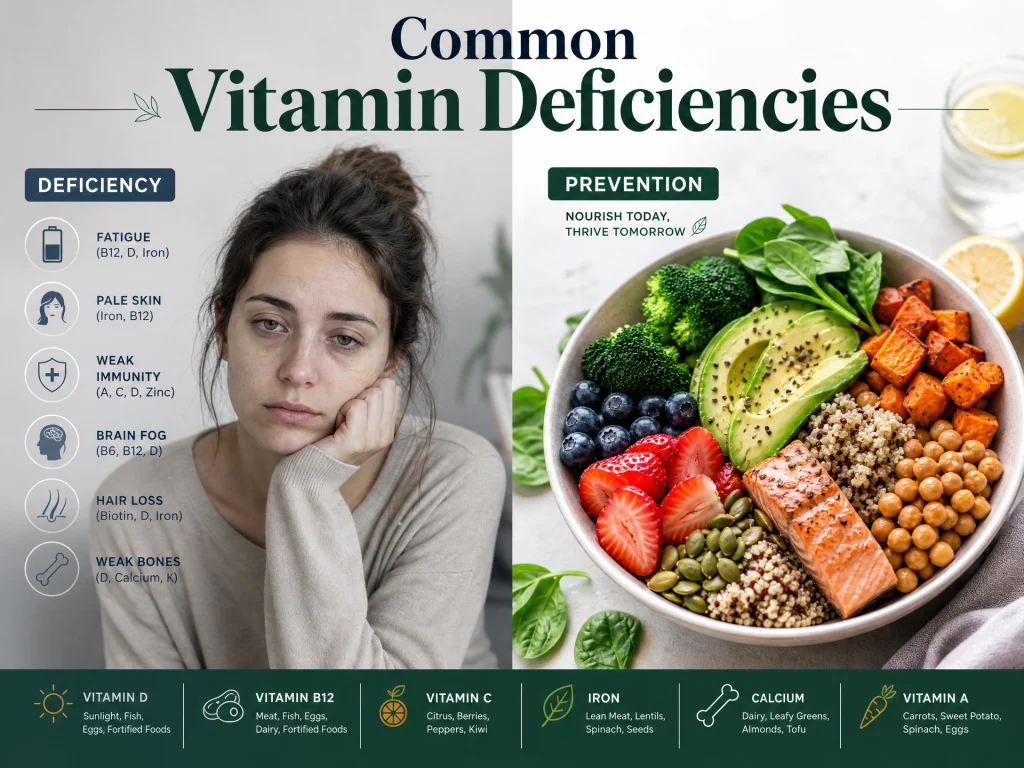
A: Symptoms of vitamin deficiencies can vary widely and often overlap with other conditions. Common signs might include fatigue, skin issues, weakened immunity, or bone problems. If you suspect a deficiency, it’s crucial to consult a healthcare professional who can perform tests and provide accurate diagnosis and guidance.
Q: Is it possible to get too many vitamins from food?
A: It is extremely rare to consume harmful amounts of vitamins from food alone. The body is well-equipped to regulate and excrete excess water-soluble vitamins. While fat-soluble vitamins can accumulate, consuming them from whole foods typically provides safe, balanced amounts.
Conclusion
Embracing a diet rich in whole, unprocessed foods is the most natural and effective strategy for ensuring adequate intake of every essential vitamin. From the vibrant carotenoids in sweet potatoes to the immune-boosting power of citrus, nature has perfectly packaged the nutrients we need to thrive. By understanding the best food sources and incorporating practical tips into your daily routine, you can build a robust foundation for health, vitality, and well-being. Make variety your watchword, listen to your body, and enjoy the delicious journey to a vitamin-rich life.
