Post
Men’s Health Matters: Top Vitamins Every Man Should Consider
Jun
Men’s Health Matters: Top Vitamins Every Man Should Consider
In today’s fast-paced world, maintaining optimal health can feel like a constant challenge, especially for men balancing careers, family, and personal well-being. While a balanced diet and regular exercise form the bedrock of good health, nutritional gaps can often exist, even with the best intentions. This is where strategic supplementation with key vitamins and minerals plays a pivotal role in supporting men’s unique physiological needs.
From maintaining energy levels and supporting heart health to boosting immunity and preserving cognitive function, specific nutrients are vital for men at every stage of life. This comprehensive guide delves into the top vitamins and supplements every man should consider integrating into his health regimen, providing insights into their benefits, how to choose the right ones, and practical tips for optimal health.
Prioritizing men’s health isn’t just about treating ailments; it’s about proactive prevention and enhancing overall quality of life. Let’s explore the essential nutritional allies that can help men thrive.
The Foundation of Men’s Health: Why Vitamins Matter
Men’s bodies have distinct nutritional requirements that evolve with age and lifestyle. Factors such as metabolism, muscle mass, hormone levels, and even stress responses can influence how nutrients are utilized. While a wholesome diet rich in fruits, vegetables, lean proteins, and whole grains is paramount, it’s often difficult to consistently obtain sufficient amounts of all essential vitamins and minerals from diet alone. Soil depletion, food processing, and individual dietary restrictions can contribute to deficiencies.
Benefits of Strategic Supplementation for Men:
- Enhanced Energy Levels: Specific B vitamins and CoQ10 are crucial for cellular energy production, combating fatigue.
- Improved Heart Health: Omega-3s, magnesium, and certain antioxidants contribute to cardiovascular well-being, a common concern for men.
- Stronger Bones and Muscles: Vitamin D and magnesium are essential for bone density and muscle function, important for active men and aging.
- Boosted Immune System: Zinc, Vitamin D, and Vitamin C fortify the body’s defenses against illness.
- Optimized Cognitive Function: Omega-3s and B vitamins support brain health, memory, and mood regulation.
- Balanced Hormone Levels: Zinc and Vitamin D play roles in hormone synthesis, including testosterone.
- Stress Reduction: Magnesium and B vitamins can help the body manage stress more effectively.
Understanding these benefits lays the groundwork for identifying which specific nutrients can make the most significant difference in a man’s health journey.
Vitamin D: The Sunshine Vitamin for Bones, Mood, and More
Often referred to as the “sunshine vitamin,” Vitamin D is a fat-soluble vitamin crucial for numerous bodily functions. Despite its importance, deficiency is widespread, particularly in men who spend significant time indoors or live in northern latitudes. It’s unique in that the body can synthesize it when exposed to sunlight, but dietary sources are limited.
Why Vitamin D is Essential for Men:
- Bone Health: Vitamin D plays a critical role in calcium absorption, making it vital for maintaining strong bones and preventing osteoporosis, a condition often associated with women but also prevalent in older men.
- Immune System Support: Adequate Vitamin D levels are linked to a robust immune system, helping to fend off infections and modulate inflammatory responses.
- Testosterone Production: Research suggests a correlation between sufficient Vitamin D levels and healthy testosterone levels in men, which impacts muscle mass, mood, and libido.
- Mood Regulation: Vitamin D receptors are found in areas of the brain associated with mood, and some studies link deficiency to increased risk of depression.
- Cardiovascular Health: Emerging research indicates a role for Vitamin D in maintaining heart health and regulating blood pressure.
Given the challenges of obtaining enough Vitamin D from sun exposure or diet alone, supplementation is often recommended. Look for Vitamin D3 (cholecalciferol) as it’s the form most efficiently utilized by the body.
B Vitamins: The Energy Powerhouse for Men
The B-vitamin complex comprises eight distinct water-soluble vitamins (B1, B2, B3, B5, B6, B7, B9, B12) that work synergistically to convert food into energy, support neurological function, and maintain healthy red blood cells. As water-soluble vitamins, they are not stored in the body, necessitating regular intake.
Key B Vitamins for Men and Their Benefits:
- Vitamin B12 (Cobalamin): Crucial for red blood cell formation, neurological function, and DNA synthesis. Deficiency can lead to fatigue, weakness, and nerve damage. Men, especially those following vegetarian or vegan diets, or older men with impaired absorption, are at higher risk of B12 deficiency.
- Vitamin B6 (Pyridoxine): Involved in protein metabolism, red blood cell production, and neurotransmitter synthesis, affecting mood and cognitive function. It also plays a role in regulating homocysteine levels, an amino acid linked to heart disease risk.
- Folate (Vitamin B9): Essential for DNA synthesis and repair, and crucial in preventing the buildup of homocysteine, thereby supporting cardiovascular health.
- Niacin (Vitamin B3): Important for energy metabolism, cholesterol regulation, and DNA repair.
- Thiamine (Vitamin B1) & Riboflavin (Vitamin B2): Both play fundamental roles in energy production from carbohydrates, fats, and proteins.
A high-quality B-complex supplement can ensure adequate intake, particularly for men with high stress levels, demanding physical activity, or dietary restrictions that limit B vitamin-rich foods.
Magnesium: The Mineral Master for Muscle and Mind
Magnesium is an often-overlooked mineral involved in over 300 enzymatic reactions in the body, impacting everything from muscle and nerve function to blood sugar control and blood pressure regulation. Despite its critical role, many men do not get enough magnesium from their diet.
Why Magnesium is a Game-Changer for Men’s Health:
- Muscle Function and Recovery: Magnesium is vital for muscle contraction and relaxation, helping to prevent cramps and aiding post-exercise recovery. It’s a must for active men.
- Bone Health: Alongside calcium and Vitamin D, magnesium is essential for maintaining bone density and structure.
- Heart Health: It helps regulate blood pressure and heart rhythm, reducing the risk of cardiovascular diseases.
- Energy Production: Magnesium is integral to the synthesis of ATP, the body’s primary energy molecule.
- Stress Reduction and Sleep: This mineral plays a key role in the nervous system, helping to calm the body and mind, reduce anxiety, and improve sleep quality.
- Blood Sugar Control: Magnesium helps regulate insulin sensitivity, crucial for preventing type 2 diabetes.
Sources include leafy greens, nuts, seeds, legumes, and whole grains. For supplementation, forms like magnesium citrate, glycinate, or malate are generally well-absorbed.
Zinc: Immunity, Testosterone, and Reproductive Health
Zinc is an essential trace mineral involved in countless bodily functions, from immune support and wound healing to DNA synthesis and cell division. For men, its role in hormone health and reproductive function is particularly significant.
The Power of Zinc for Men:
- Immune System Boost: Zinc is critical for the proper functioning of immune cells, helping the body fight off infections and illnesses.
- Testosterone Production: Adequate zinc levels are directly linked to healthy testosterone levels. Deficiency can negatively impact this vital male hormone, affecting muscle mass, energy, and sexual health.
- Reproductive Health: Zinc is essential for sperm production and motility, making it a key nutrient for male fertility.
- Antioxidant Properties: It acts as an antioxidant, helping to protect cells from oxidative damage caused by free radicals.
- Wound Healing: Zinc plays a role in skin integrity and the healing process.
- Taste and Smell: It’s crucial for maintaining a healthy sense of taste and smell.
Good dietary sources include oysters (exceptionally high), red meat, poultry, beans, nuts, and dairy. Supplementation can be beneficial for men with dietary restrictions or those looking to optimize immune and hormonal health. Zinc picolinate, gluconate, or citrate are well-absorbed forms.
Omega-3 Fatty Acids: Heart Health, Brain Function, and Inflammation Control
Omega-3 fatty acids, particularly EPA (eicosapentaenoic acid) and DHA (docosahexaenoic acid), are polyunsaturated fats renowned for their profound health benefits. They are “essential” fats, meaning the body cannot produce them and must obtain them through diet or supplementation.
Why Omega-3s Are Non-Negotiable for Men:
- Cardiovascular Health: Omega-3s are champions for heart health. They help lower triglyceride levels, reduce blood pressure, decrease inflammation, and prevent the formation of arterial plaque, significantly lowering the risk of heart disease, a leading killer of men.
- Brain Health and Cognitive Function: DHA is a major structural component of the brain. Omega-3s support brain health, improve memory, focus, and can help mitigate age-related cognitive decline. They also play a role in mood regulation and reducing symptoms of depression and anxiety.
- Anti-Inflammatory Properties: Chronic inflammation is at the root of many diseases. Omega-3s possess powerful anti-inflammatory effects that can benefit conditions like arthritis, muscle soreness, and overall systemic inflammation.
- Eye Health: DHA is also a major structural component of the retina, making omega-3s important for maintaining good vision.
The best dietary sources are fatty fish like salmon, mackerel, sardines, and anchovies. For those who don’t consume fish regularly, a high-quality fish oil or algae-based omega-3 supplement is highly recommended. Look for supplements with high concentrations of EPA and DHA, and ensure they are third-party tested for purity and heavy metals.
Coenzyme Q10 (CoQ10): Fueling the Heart and Cellular Energy
Coenzyme Q10 (CoQ10) is a powerful antioxidant naturally produced in the body, playing a crucial role in energy production within cells, particularly in the heart, liver, and kidneys. Production of CoQ10 naturally declines with age, and certain medications, especially statins, can also deplete its levels.
The Importance of CoQ10 for Men:
- Cardiovascular Health: CoQ10 is vital for heart muscle function. It supports healthy blood pressure, improves endothelial function (the lining of blood vessels), and acts as an antioxidant, protecting heart cells from damage. It’s often recommended for men with a history of heart issues or those taking statin drugs.
- Cellular Energy Production: As a key player in the electron transport chain, CoQ10 is essential for generating ATP, the body’s main energy currency. Supplementation can help improve energy levels and combat fatigue.
- Antioxidant Protection: CoQ10 is a potent antioxidant, protecting cells and mitochondria from oxidative stress, which contributes to aging and disease.
- Exercise Performance and Recovery: For active men, CoQ10 may help improve exercise capacity and reduce oxidative stress and muscle damage during intense physical activity.
- Fertility: Some research suggests CoQ10 may improve sperm quality and motility, offering benefits for male reproductive health.
While found in small amounts in meat, fish, and whole grains, supplementation is often necessary to achieve therapeutic levels, especially for older men or those on specific medications. Ubiquinol is the activated form of CoQ10 and is generally considered more bioavailable.
Navigating the Supplement Aisle: A Buying Guide for Men
The sheer volume of vitamins and supplements available can be overwhelming. Making informed choices is crucial to ensure you’re getting effective and safe products. Here’s what men should look for:
Key Factors When Choosing Supplements:
- Quality and Purity:
- Third-Party Testing: Look for supplements that have been tested by independent organizations (e.g., NSF International, USP, ConsumerLab.com). This verifies purity, potency, and absence of contaminants.
- Certifications: GMP (Good Manufacturing Practices) certification indicates a commitment to quality control during manufacturing.
- Bioavailability and Form:
- Certain forms of vitamins and minerals are better absorbed than others. For example, Vitamin D3 is superior to D2; magnesium glycinate or citrate are often preferred over magnesium oxide.
- For CoQ10, ubiquinol is generally more bioavailable than ubiquinone.
- For omega-3s, look for triglyceride form fish oils as they are naturally occurring and better absorbed than ethyl esters.
- Dosage:
- Ensure the supplement provides a clinically effective dose. Too little might be ineffective, while too much can be harmful.
- Be wary of “mega-doses” unless specifically advised by a healthcare professional.
- Ingredients and Additives:
- Read the ingredient list carefully. Avoid products with unnecessary fillers, artificial colors, flavors, or sweeteners.
- If you have allergies, check for common allergens like soy, gluten, dairy, or nuts.
- Brand Reputation:
- Choose reputable brands known for transparency and quality. Research online reviews and professional endorsements.
- Expiry Date:
- Always check the expiry date to ensure the product’s potency.
Remember, a higher price doesn’t always guarantee higher quality, but extremely cheap supplements might cut corners on ingredients or manufacturing.
Integrating Supplements into Your Lifestyle: Practical Tips
Taking supplements should be part of a holistic approach to health, not a standalone solution. Here are some practical tips for men to effectively integrate vitamins and minerals into their daily routine:
Optimize Your Health Strategy:
- Consult Your Doctor: Before starting any new supplement regimen, especially if you have existing health conditions or are taking medications, consult with your physician or a registered dietitian. They can assess your individual needs, identify potential deficiencies through blood tests, and advise on appropriate dosages and potential interactions.
- Prioritize Whole Foods: Supplements are meant to *supplement* a healthy diet, not replace it. Focus on a balanced diet rich in fruits, vegetables, lean proteins, and healthy fats first.
- Consistency is Key: For supplements to be effective, consistent daily intake is crucial. Incorporate them into a routine (e.g., with breakfast or dinner) to avoid forgetting doses.
- Follow Dosage Instructions: Stick to the recommended dosages on the label or as advised by your healthcare professional. Exceeding recommended doses can be harmful.
- Timing Matters:
- Fat-soluble vitamins (A, D, E, K) and Omega-3s are best taken with a meal containing some fat for optimal absorption.
- Water-soluble vitamins (B and C) can generally be taken with or without food, but some prefer with food to avoid stomach upset.
- Magnesium is often taken in the evening to aid relaxation and sleep.
- Monitor Your Body: Pay attention to how your body responds to new supplements. Note any positive changes or adverse reactions. If you experience discomfort, stop and consult your doctor.
- Stay Hydrated: Drinking plenty of water is essential for nutrient absorption and overall bodily function.
- Combine with Healthy Habits: Supplements work best when paired with other healthy lifestyle choices, including regular exercise, adequate sleep, and stress management techniques.
By following these tips, men can maximize the benefits of their supplement regimen and take a proactive step towards long-term health and vitality.
Frequently Asked Questions (FAQ) About Men’s Vitamins
Q1: Do I really need to take supplements if I eat a healthy diet?
A: While a healthy diet is the foundation, modern agricultural practices, food processing, and individual dietary habits can lead to nutritional gaps. Factors like age, stress levels, physical activity, and underlying health conditions can also increase nutrient needs. Supplements can help bridge these gaps and optimize nutrient levels, but always prioritize whole foods first.
Q2: Can men get all the necessary vitamins from a multivitamin?
A: A high-quality multivitamin formulated for men can be a good baseline, providing foundational amounts of many essential vitamins and minerals. However, it may not provide therapeutic doses of specific nutrients like Vitamin D, Omega-3s, or Magnesium, which might be needed in higher amounts depending on individual needs. Consider a multivitamin as a ‘safety net’ and add targeted supplements as necessary.
Q3: Are there any side effects to taking too many vitamins?
A: Yes, excessive intake of certain vitamins and minerals can be harmful. Fat-soluble vitamins (A, D, E, K) can accumulate in the body and become toxic. High doses of some water-soluble vitamins can also cause issues. For instance, too much zinc can interfere with copper absorption, and excessive magnesium can cause digestive upset. Always stick to recommended dosages and consult a healthcare professional.
Q4: How long does it take to see benefits from taking vitamins?
A: The timeframe for experiencing benefits varies widely depending on the nutrient, the severity of any deficiency, and individual body chemistry. Some benefits, like improved energy from B vitamins or better sleep from magnesium, might be noticed within weeks. Others, such as bone density improvements or long-term cardiovascular support, may take months or even longer to manifest.
Q5: Should men of different ages take different vitamins?
A: Yes, nutritional needs can change with age. Younger men might focus on energy, muscle growth, and immune support. As men age, concerns shift more towards heart health, bone density, prostate health, and cognitive function. For example, older men may require more Vitamin D and B12 due to decreased absorption. Consulting a doctor to tailor your regimen to your age and health goals is recommended.
Q6: Can supplements interact with medications?
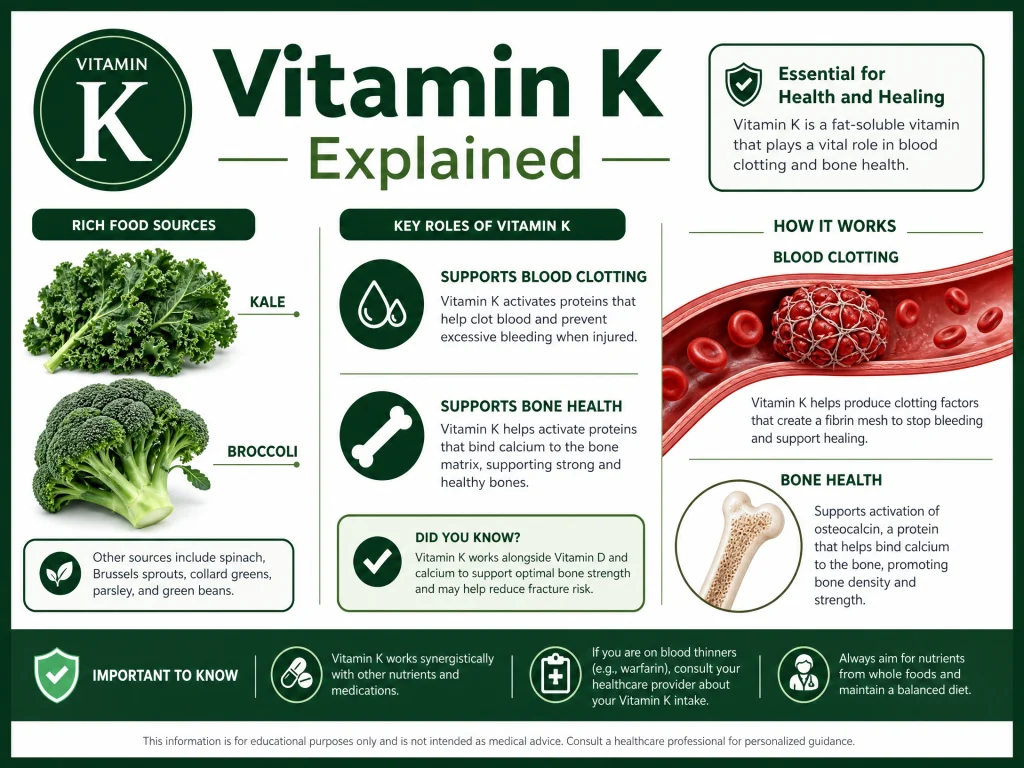
A: Absolutely. Supplements can interact with prescription and over-the-counter medications, sometimes with serious consequences. For instance, Vitamin K can interfere with blood thinners, and St. John’s Wort can interact with antidepressants and birth control. It is imperative to discuss all supplements you are taking or considering with your doctor or pharmacist.
Conclusion: Prioritizing Your Health Journey
Taking a proactive approach to men’s health involves more than just reacting to symptoms; it’s about building a robust foundation for long-term well-being. While a nutrient-dense diet and consistent exercise remain paramount, strategically incorporating key vitamins and minerals can significantly enhance a man’s vitality, support critical bodily functions, and address common nutritional gaps.
From Vitamin D for bone and hormonal health to Omega-3s for cardiovascular and brain support, and Zinc for immunity and testosterone, the right supplements can be powerful allies. However, the journey to optimal health is personal. We strongly advocate for consulting with a healthcare professional to determine your specific nutritional needs, identify any deficiencies, and create a tailored supplementation plan that is safe and effective for you.
Invest in your health today. By making informed choices and committing to a holistic approach that includes smart supplementation, men can not only live longer but live healthier, more energetic, and fulfilling lives.
