Post
Immune Support Supplements: What Consumers Should Know
Jun
Immune Support Supplements: What Consumers Should Know
When it comes to maintaining overall health and wellness, few choices matter more than supporting the body’s natural immune system. In today’s fast-paced world, people are increasingly turning to immune support supplements to help fill nutritional gaps, promote well-being, and support their body’s natural defenses. With countless products available on the market, understanding what immune support supplements are, how they work, and what consumers should look for before purchasing is essential.
The immune system is a complex network of cells, tissues, and organs that work together to protect the body from harmful invaders. Proper nutrition, regular exercise, adequate sleep, and stress management all play crucial roles in maintaining immune health. Supplements can complement these healthy lifestyle habits by providing important nutrients that support normal immune function.
Many consumers are attracted to immune support supplements because they offer a convenient way to obtain vitamins, minerals, and plant-based ingredients that may be lacking in their daily diet. However, not all supplements are created equal. Knowing which ingredients are commonly used and understanding their potential benefits can help shoppers make informed decisions.
Understanding Immune Support Supplements
Immune support supplements typically contain vitamins, minerals, herbs, antioxidants, and other nutrients that contribute to normal immune system function. These products come in various forms, including capsules, tablets, powders, gummies, and liquid formulations.
Some of the most common ingredients found in immune support supplements include:
Vitamin C
Vitamin C is one of the most recognized nutrients associated with immune health. It acts as an antioxidant, helping to protect cells from oxidative stress while supporting various immune system functions. Many people choose supplements containing vitamin C because it is essential for overall health and plays a role in supporting the body’s natural defense mechanisms.
Vitamin D
Vitamin D has gained significant attention in recent years due to its importance in immune regulation. Since many individuals spend less time outdoors or live in areas with limited sunlight exposure, vitamin D supplementation has become increasingly popular. Maintaining adequate vitamin D levels is important for supporting normal immune responses.
Zinc
Zinc is an essential mineral involved in numerous biological processes, including immune function. It supports the development and communication of immune cells and is commonly included in immune support formulations.
Elderberry
Elderberry is a plant-based ingredient that has been used in traditional wellness practices for centuries. Rich in antioxidants and natural compounds, elderberry extracts are frequently found in immune health products.
Echinacea
Echinacea is another herbal ingredient commonly used in immune support supplements. Derived from flowering plants in the daisy family, it has long been associated with supporting general wellness.
Probiotics
The connection between gut health and immune health continues to attract scientific interest. Probiotics are beneficial bacteria that help maintain a balanced digestive system, which may contribute to overall immune function.
Selenium
Selenium is a trace mineral that plays a role in antioxidant activity and immune support. While only small amounts are needed, maintaining adequate selenium intake is important for overall health.
Why Consumers Are Choosing Immune Support Supplements
Several factors contribute to the growing popularity of immune support supplements.
First, many people lead busy lifestyles that make it challenging to consistently consume a balanced diet. Supplements provide a convenient option for obtaining nutrients that support overall wellness.
Second, increased awareness of personal health has encouraged consumers to take a proactive approach to maintaining their well-being. Rather than waiting until they feel unwell, many individuals seek products that can support their long-term health goals.
Third, advancements in supplement manufacturing have introduced innovative formulas that combine multiple immune-supporting ingredients into a single product. This convenience appeals to consumers looking for comprehensive nutritional support.
Additionally, consumers today have greater access to educational resources and product information than ever before. Online reviews, expert articles, and scientific studies allow shoppers to research ingredients and compare products before making purchasing decisions.
How to Evaluate an Immune Support Supplement
With thousands of products available, selecting the right supplement can feel overwhelming. Fortunately, several factors can help consumers identify high-quality options.
Examine the Ingredient List
Carefully reviewing the ingredient list is one of the most important steps. Look for products that clearly disclose all active ingredients and their amounts.
Transparent labeling demonstrates a manufacturer’s commitment to quality and allows consumers to understand exactly what they are purchasing.
Check for Third-Party Testing
Independent testing helps verify product quality, purity, and label accuracy. Third-party certifications can provide additional confidence that the supplement meets established quality standards.
Consider Manufacturing Standards
Products manufactured in facilities that follow Good Manufacturing Practices (GMP) are generally held to higher quality standards. These practices help ensure consistency and safety throughout the production process.
Avoid Unrealistic Claims
Consumers should be cautious of products that promise miraculous results or claim to prevent, treat, or cure diseases. Reputable supplements focus on supporting normal immune function rather than making exaggerated health claims.
Review Dosage Information
Pay attention to serving sizes and recommended dosages. More is not always better when it comes to supplementation. Following product instructions and consulting healthcare professionals when necessary is recommended.
The Importance of a Holistic Approach
While immune support supplements can be valuable additions to a wellness routine, they should not replace healthy lifestyle habits.
A strong immune system depends on multiple factors working together. Consuming a nutrient-rich diet filled with fruits, vegetables, lean proteins, and whole grains provides foundational support for overall health.
Regular physical activity helps promote circulation and supports numerous bodily functions. Exercise also contributes to stress reduction, which can positively impact immune health.
Sleep is another critical factor. During sleep, the body performs essential recovery processes that contribute to overall wellness. Consistently obtaining sufficient rest is one of the most effective ways to support long-term health.
Stress management is equally important. Chronic stress may negatively affect various aspects of health, making relaxation techniques, mindfulness practices, and healthy coping strategies beneficial additions to daily routines.
Hydration should not be overlooked either. Drinking adequate amounts of water supports many bodily functions and contributes to overall well-being.
Common Misconceptions About Immune Supplements
Many misconceptions surround immune support products. One common myth is that taking large quantities of supplements automatically leads to better results. In reality, excessive intake of certain nutrients may not provide additional benefits and could potentially create imbalances.
Another misconception is that supplements can replace healthy eating habits. While supplements may help fill nutritional gaps, they cannot replicate the full range of nutrients and beneficial compounds found in whole foods.
Some consumers also assume that natural ingredients are always safer than synthetic alternatives. Regardless of origin, every ingredient should be evaluated based on quality, safety, and scientific evidence.
Finally, many people believe that all immune support supplements are identical. In truth, formulations can vary significantly in ingredient quality, dosage levels, manufacturing standards, and overall effectiveness.
Why Choose This Product?
When selecting an immune support supplement, consumers should prioritize quality, transparency, and scientifically recognized ingredients. A well-formulated product typically combines essential nutrients such as vitamin C, vitamin D, zinc, and antioxidants with carefully selected herbal extracts and wellness-supporting compounds.
Choosing a product from a reputable manufacturer offers several advantages:
- Clearly labeled ingredients and dosages.
- High-quality sourcing of vitamins, minerals, and botanicals.
- Third-party testing for purity and accuracy.
- Compliance with recognized manufacturing standards.
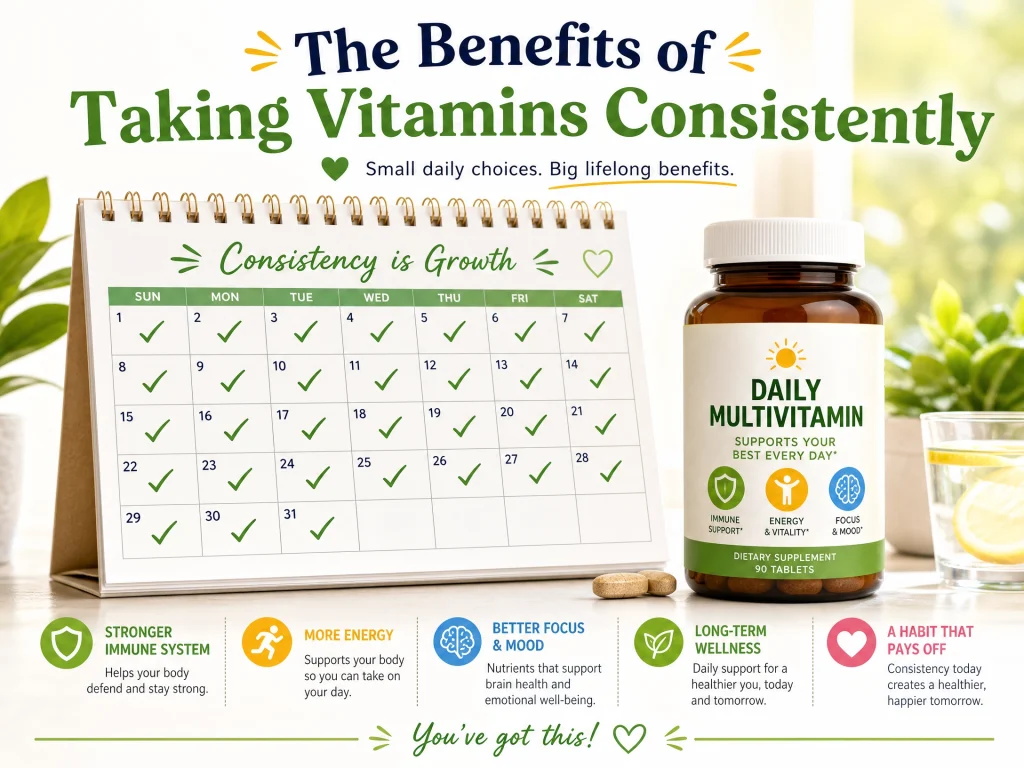
- Convenient daily use to support overall wellness routines.
- Formulations designed to complement healthy lifestyle habits.
A premium immune support supplement is not intended to replace healthy living but rather to serve as an additional tool that helps consumers maintain nutritional balance and support their body’s natural defense system.
Conclusion
Immune support supplements have become an important part of many people’s wellness strategies. By providing essential vitamins, minerals, antioxidants, and botanical ingredients, these products can help support normal immune system function when used alongside healthy lifestyle habits.
Consumers should take time to research products carefully, review ingredient labels, and choose supplements from trusted manufacturers. Understanding what ingredients are included, how they work, and what quality standards are followed can lead to more confident purchasing decisions.
Ultimately, the best approach to immune health combines proper nutrition, regular exercise, sufficient sleep, effective stress management, and responsible supplementation. When used as part of a comprehensive wellness plan, immune support supplements can play a valuable role in helping individuals maintain their overall health and well-being throughout the year.
