Post
Are You Deficient? Signs and Symptoms of Common Vitamins Shortages
Jun
Are You Deficient? Signs and Symptoms of Common Vitamin Shortages
In our modern lives, where convenience often outweighs nutritional completeness, it’s alarmingly common for individuals to experience various vitamin and mineral deficiencies. These vital micronutrients are the unseen architects of our health, facilitating countless bodily functions—from bolstering our immune system and energizing our cells to maintaining robust bone structure and sharp cognitive function. When our bodies lack these essential compounds, they send out subtle yet significant distress signals that, if ignored, can lead to chronic health issues and a diminished quality of life.
Are you frequently battling fatigue, noticing unexplained changes in your skin or hair, or struggling with persistent mood swings? These could be critical clues that your body is deficient in one or more essential nutrients. This comprehensive guide aims to shed light on the common signs and symptoms of widespread vitamin shortages, helping you decode your body’s messages. We’ll explore the critical role of key vitamins, identify who is most at risk, and arm you with practical knowledge to prevent, recognize, and address these nutritional gaps for a healthier, more vibrant you.
Vitamin D Deficiency: The Sunshine Vitamin Shortage
Vitamin D, often celebrated as the “sunshine vitamin,” is unique because our skin can produce it upon exposure to sunlight. However, limited sun exposure, sunscreen use, darker skin tones, and age contribute to its widespread deficiency globally. This fat-soluble vitamin is indispensable for bone health, immune system regulation, and even mood stability, making its shortage a significant concern.
Common Symptoms of Vitamin D Deficiency:
- Chronic Fatigue and Low Energy: A pervasive feeling of tiredness that sleep doesn’t alleviate.
- Bone and Back Pain: Aches, discomfort, and weakness, particularly in bones and the lower back, due to compromised calcium absorption.
- Muscle Weakness, Aches, or Cramps: General muscle discomfort, reduced strength, or involuntary spasms.
- Impaired Wound Healing: Slower recovery from injuries, surgeries, or infections.
- Depressed Mood or Mood Swings: A growing body of research links low Vitamin D levels to an increased risk of depression and seasonal affective disorder.
- Frequent Illnesses or Infections: A weakened immune response leading to more frequent colds, flu, and other infections.
- Hair Loss: While multifactorial, severe Vitamin D deficiency can contribute to excessive hair shedding.
Who is at Risk?
Individuals with minimal sun exposure (e.g., office workers, those living in northern latitudes), older adults (whose skin is less efficient at synthesis), people with darker skin, obese individuals, and those with conditions affecting fat absorption (e.g., Crohn’s disease, celiac disease) face a higher risk of Vitamin D shortage.
Vitamin B12 Deficiency: The Energy & Nerve Impairment
Vitamin B12, or cobalamin, is a water-soluble vitamin essential for countless physiological processes. It plays a pivotal role in nerve tissue health, brain function, and the production of red blood cells. Crucially, B12 is involved in DNA synthesis and energy metabolism. As it’s predominantly found in animal products, plant-based eaters are particularly susceptible to deficiency, though other factors can also contribute.
Common Symptoms of Vitamin B12 Deficiency:
- Persistent Fatigue and Weakness: Profound tiredness and a general lack of stamina, even after adequate rest.
- Tingling or Numbness (Paresthesia): A distinctive “pins and needles” sensation, especially in the hands and feet, often indicative of nerve damage.
- Difficulty Walking and Balance Problems: Severe and prolonged deficiency can impair coordination and gait.
- Memory Loss and Cognitive Difficulties: “Brain fog,” confusion, difficulty concentrating, and issues with memory recall.
- Glossitis (Sore, Red Tongue): A smooth, inflamed, and often painful tongue is a classic sign.
- Pale or Jaundiced Skin: Caused by megaloblastic anemia, a type of anemia resulting from impaired red blood cell production.
- Mood Changes: Including irritability, increased anxiety, depression, and in severe cases, even paranoia or psychosis.
Who is at Risk?
Vegans and strict vegetarians, older adults (due to reduced stomach acid and intrinsic factor production, necessary for B12 absorption), individuals with digestive disorders like Crohn’s disease, celiac disease, or atrophic gastritis, and those who have undergone gastric surgery are at significant risk for B12 deficiency.
Iron Deficiency: The Silent Energy Drain
Iron is an indispensable mineral, primarily known for its role in forming hemoglobin, the protein in red blood cells responsible for transporting oxygen from your lungs to every cell in your body. An insufficient iron supply hinders this vital process, leading to iron-deficiency anemia, the most prevalent nutritional deficiency globally, characterized by widespread fatigue and weakness.
Common Symptoms of Iron Deficiency:
- Extreme Fatigue and Weakness: The most common symptom, manifesting as pervasive tiredness that doesn’t resolve with rest.
- Pale Skin: Especially noticeable in the inner eyelids, gums, and nail beds, due to reduced red blood cells.
- Shortness of Breath: Even with mild physical exertion, as the body struggles to deliver sufficient oxygen.
- Dizziness or Lightheadedness: Often accompanied by headaches, particularly when standing up quickly.
- Cold Hands and Feet: Indicative of impaired circulation.
- Brittle or Spoon-Shaped Nails (Koilonychia): Nails that easily break or develop an upward curve.
- Unusual Cravings (Pica): A strange craving for non-food substances like ice, dirt, or clay.
- Restless Legs Syndrome: An uncomfortable, irresistible urge to move the legs, especially at night.
Who is at Risk?
Women of childbearing age (due to menstrual blood loss), pregnant women (increased demand), infants and young children (rapid growth), vegetarians and vegans (lower bioavailability of plant-based iron), frequent blood donors, and individuals with certain gastrointestinal conditions (e.g., ulcers, celiac disease) are particularly vulnerable.
Magnesium Deficiency: The Unseen Muscle & Nerve Disruptor
Magnesium is an extraordinary mineral involved in over 300 enzymatic reactions throughout the body. It is critical for muscle and nerve function, blood glucose control, blood pressure regulation, protein synthesis, and bone development. Despite its foundational importance, a significant portion of the population doesn’t consume enough magnesium, leading to a largely unrecognized, yet pervasive, deficiency.
Common Symptoms of Magnesium Deficiency:
- Muscle Cramps and Twitches: Involuntary muscle spasms, tremors, or persistent cramps, especially in the legs and feet.
- Chronic Fatigue and Weakness: A consistent feeling of low energy and overall bodily weakness.
- Numbness or Tingling: Sensations similar to B12 deficiency, often accompanied by other muscle-related issues.
- Heart Palpitations: An irregular heartbeat or a noticeable fluttering sensation in the chest.
- Anxiety, Depression, and Irritability: Magnesium plays a crucial role in regulating neurotransmitters and stress hormones.
- High Blood Pressure: Magnesium helps to relax blood vessels, and its deficiency can contribute to hypertension.
- Migraines: Lower magnesium levels have been linked to an increased frequency and severity of migraine headaches.
- Poor Sleep: Difficulty falling or staying asleep, as magnesium aids in relaxation and sleep regulation.
Who is at Risk?
Individuals with gastrointestinal diseases (e.g., Crohn’s, celiac, chronic diarrhea), type 2 diabetes, chronic alcohol dependence, and older adults are at a higher risk. Diets heavily reliant on processed foods, which are often depleted of magnesium, also contribute to widespread insufficiency.
Vitamin C Deficiency: The Immune & Skin Health Compromise
Vitamin C, or ascorbic acid, is a potent antioxidant and an indispensable water-soluble vitamin that humans cannot produce internally. It is vital for immune system function, collagen production (critical for healthy skin, blood vessels, bones, and cartilage), and efficient wound healing. While severe deficiency leads to scurvy, milder, more common shortages can still significantly impact health.
Common Symptoms of Vitamin C Deficiency:
- Easy Bruising and Bleeding Gums: Due to weakened capillaries and impaired collagen synthesis, leading to fragile blood vessels.
- Slow Wound Healing: Cuts, scrapes, and bruises take significantly longer to heal, and wounds may reopen.
- Dry, Damaged Skin: Skin may appear rough, bumpy (keratosis pilaris), or excessively dry, often a result of poor collagen formation.
- Fatigue and Irritability: General malaise, weakness, and noticeable mood changes.
- Swollen and Painful Joints: Can manifest as joint aches and swelling, sometimes mimicking arthritic conditions.
- Weakened Immune System: Increased susceptibility to infections, particularly respiratory illnesses, due to impaired immune cell function.
- Iron Deficiency Anemia: Vitamin C significantly enhances the absorption of non-heme iron (plant-based iron), so a deficiency can indirectly lead to anemia.
Who is at Risk?
Smokers (who require higher amounts of Vitamin C), individuals with very limited intake of fruits and vegetables, those with certain gastrointestinal absorption issues, and people on extremely restrictive diets are at elevated risk.
Vitamin A Deficiency: Vision and Immunity Under Threat
Vitamin A is a fat-soluble vitamin essential for maintaining healthy vision, robust immune function, successful reproduction, and proper cellular growth and differentiation. It comes in two primary forms: preformed Vitamin A (retinoids) found in animal products and provitamin A carotenoids (like beta-carotene) sourced from plants, which the body converts into active Vitamin A. Globally, Vitamin A deficiency remains a significant public health issue.
Common Symptoms of Vitamin A Deficiency:
- Night Blindness: Difficulty seeing clearly in low light conditions or trouble adapting from bright to dim environments. This is often the earliest and most telling symptom.
- Dry Eyes (Xerophthalmia): Severe dryness of the eyes, which can progress to corneal damage, ulcers, and potentially permanent blindness if left untreated.
- Impaired Immunity: A weakened immune system, leading to increased susceptibility and severity of infections, particularly respiratory and gastrointestinal illnesses.
- Dry Skin and Hair: Skin can become noticeably dry, flaky, or rough, and hair may appear brittle and lack luster.
- Poor Wound Healing: Similar to Vitamin C deficiency, Vitamin A plays a role in skin repair and regeneration.
- Delayed Growth in Children: In severe cases, especially in developing regions, Vitamin A deficiency can impair normal growth and development in children.
Who is at Risk?
Individuals with malabsorption disorders (e.g., celiac disease, Crohn’s disease, cystic fibrosis), those with liver disease (as the liver stores Vitamin A), and populations with limited access to nutrient-rich foods (both animal and plant sources) are most vulnerable to Vitamin A deficiency.
The Undeniable Benefits of Optimal Vitamin Levels
Moving beyond merely avoiding deficiency, ensuring optimal levels of essential vitamins and minerals provides profound, holistic benefits to your health and overall quality of life. These micronutrients don’t just prevent problems; they actively build and maintain a robust foundation for peak physical and mental well-being. They operate in intricate networks, supporting virtually every biological process.
- Enhanced Energy and Vitality: Key vitamins like the B-complex group, iron, and magnesium are crucial for cellular energy production, directly combating fatigue and significantly boosting stamina.
- Stronger Immune System: Vitamins C, D, A, and minerals like zinc are frontline defenders, fortifying your body’s natural ability to ward off infections, viruses, and illnesses.
- Improved Bone Health: Vitamin D, alongside calcium and magnesium, is indispensable for maintaining bone density, preventing osteoporosis, and reducing fracture risk.
- Better Mental Clarity and Mood: B vitamins, Vitamin D, and magnesium play critical roles in neurotransmitter synthesis and function, positively impacting cognitive performance, memory, focus, and mood stability, helping to alleviate anxiety and depression.
- Healthier Skin, Hair, and Nails: Vitamins C, A, E, and biotin (a B-vitamin) are essential for collagen production, skin elasticity, cellular regeneration, and the healthy growth and appearance of hair and nails.
- Optimal Vision: Vitamin A is fundamental for maintaining good eyesight, particularly in low-light conditions, and protecting against age-related macular degeneration.
- Reduced Risk of Chronic Diseases: Adequate intake of a broad spectrum of vitamins and minerals is associated with a lower incidence of chronic conditions such as heart disease, certain cancers, and type 2 diabetes due to their antioxidant and anti-inflammatory properties.
- Improved Sleep Quality: Magnesium and certain B vitamins can contribute to deeper, more restful sleep patterns by promoting relaxation and regulating sleep cycles.
- Faster Recovery and Healing: Vitamins C, A, and zinc are vital for tissue repair, collagen formation, and inflammation reduction, speeding up recovery from injuries or surgery.
Practical Steps to Prevent and Address Deficiencies
Taking a proactive, holistic approach to your nutrient intake is paramount for preventing deficiencies and optimizing your overall health. Small, consistent changes can yield significant long-term benefits.
Dietary Strategies:
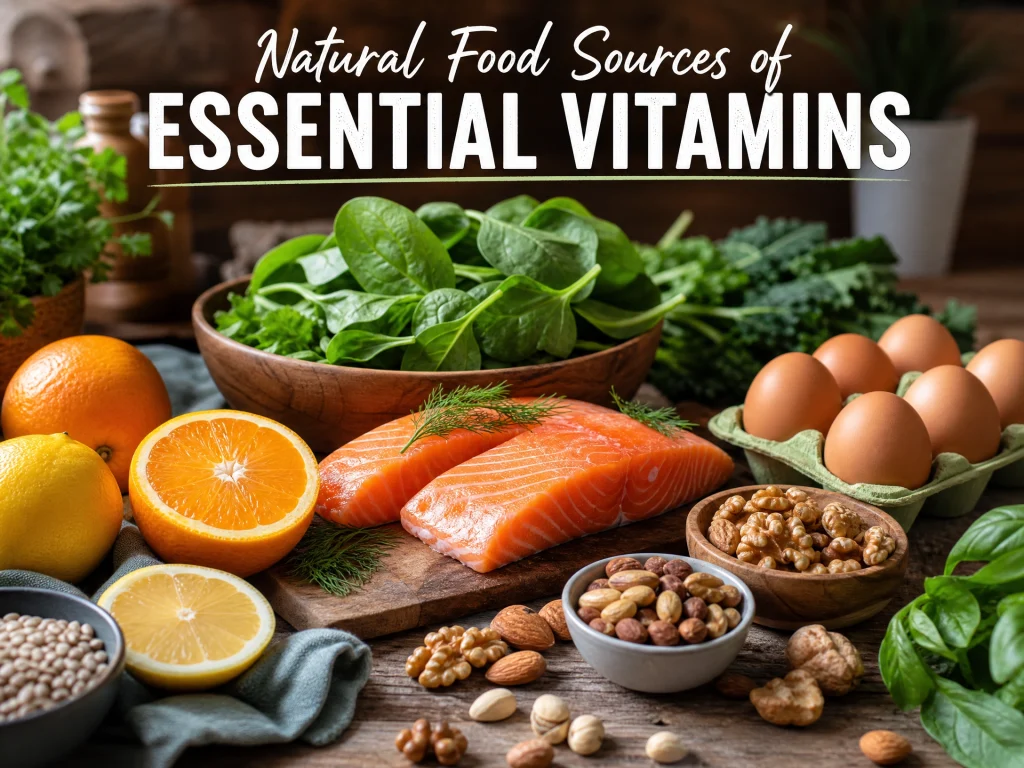
- Embrace a Diverse, Whole-Food Diet: Prioritize a wide array of colorful fruits, vegetables, whole grains, lean proteins (fish, poultry, legumes), and healthy fats (avocado, nuts, seeds). Each food group offers a unique and complementary profile of vitamins and minerals.
- Focus on Nutrient-Dense Foods: Choose foods that pack the most nutritional punch per calorie. Examples include leafy greens (spinach, kale), berries, nuts, seeds, legumes, and fatty fish (salmon, mackerel).
- Consider Fortified Foods: Incorporate some fortified products where appropriate, such as dairy or plant-based milks fortified with Vitamin D and B12, or cereals with added nutrients. Always check labels.
- Be Mindful of Cooking Methods: Overcooking or prolonged exposure to high heat can diminish the content of certain vitamins, especially water-soluble ones like Vitamin C and B vitamins. Opt for lighter cooking methods like steaming, stir-frying, or consuming raw where possible.
- Stay Hydrated: While not a vitamin, adequate water intake is crucial for nutrient absorption, transport, and overall metabolic function.
Lifestyle Adjustments:
- Get Sufficient Sunlight Exposure: Aim for 10-30 minutes of direct, unprotected sunlight exposure (depending on skin type, location, and time of year) several times a week to stimulate natural Vitamin D synthesis.
- Manage Stress Effectively: Chronic stress can deplete certain nutrients (like B vitamins and magnesium) and impair digestion, indirectly affecting nutrient absorption. Integrate stress-reduction techniques such as meditation, yoga, deep breathing, or spending time in nature.
- Prioritize Quality Sleep: Adequate and restful sleep allows your body to repair, regenerate, and optimize metabolic processes, including the efficient utilization of nutrients.
- Limit Alcohol and Processed Foods: Excessive alcohol consumption can interfere with nutrient absorption and metabolism, while highly processed foods often displace more nutrient-dense options in your diet.
Supplementation Considerations:
- Consult a Healthcare Professional: Before initiating any supplement regimen, especially if you suspect a deficiency or have existing health conditions, always consult your doctor or a registered dietitian. They can recommend appropriate diagnostic tests (e.g., blood work) and provide personalized, evidence-based advice.
- Consider Targeted Supplements: If blood tests confirm a specific deficiency (e.g., Vitamin D, B12, Iron), targeted supplementation under strict medical guidance may be necessary for effective correction.
- Multivitamins as a Safety Net: A high-quality daily multivitamin can serve as a nutritional insurance policy, helping to fill minor dietary gaps. However, it should never be seen as a replacement for a healthy, balanced diet.
Navigating the Supplement Aisle: A Buying Guide
The vast supplement market can be daunting, with countless brands, formulations, and often exaggerated claims. Making informed choices is critical to ensure you purchase effective, safe, and high-quality products. Here’s how to navigate the complexities:
Key Considerations When Choosing Supplements:
- Third-Party Testing and Certifications: Look for supplements that have been independently tested and certified by reputable organizations such as NSF International, USP (United States Pharmacopeia), or ConsumerLab. These certifications verify product purity, potency, and confirm that the supplement contains the ingredients and dosages listed on the label.
- Form of the Nutrient: The bioavailability (how well your body can absorb and utilize it) of a nutrient can vary significantly depending on its chemical form.
- Magnesium: Chelated forms like magnesium glycinate, citrate, or malate are generally better absorbed and less likely to cause digestive upset than magnesium oxide.
- Vitamin D: Vitamin D3 (cholecalciferol) is typically more effective at raising and maintaining blood levels of Vitamin D than D2 (ergocalciferol).
- Vitamin B12: Methylcobalamin is often preferred over cyanocobalamin due to its higher bioavailability and direct usability by the body, especially for individuals with certain genetic variations.
- Iron: Ferrous bisglycinate is often gentler on the stomach and better tolerated than ferrous sulfate, a common cause of constipation.
- Appropriate Dosage: Ensure the supplement’s dosage aligns with your individual needs and, crucially, with the recommendations of your healthcare provider. Excessive dosages can be harmful, particularly for fat-soluble vitamins (A, D, E, K) and certain minerals.
- Ingredient Transparency and Excipients: Scrutinize the ingredient list for unnecessary fillers, artificial colors, flavors, sweeteners, or common allergens (like gluten, soy, dairy) if you have sensitivities. Opt for products with minimal, clean ingredients.
- Reputable Brands: Stick to well-established, transparent brands with a history of quality and positive customer feedback. Research reviews, but also prioritize brands that demonstrate scientific backing and ethical manufacturing practices.
- Expiration Dates: Always check the expiration date to ensure the product’s potency and efficacy. Expired supplements may not deliver the advertised benefits.
Consult a Professional:
It’s crucial to reiterate that supplements are designed to supplement a healthy diet, not to replace it. Always engage in an open discussion about your supplement choices with your doctor, pharmacist, or a registered dietitian. This is especially important if you have pre-existing health conditions, are pregnant or breastfeeding, or are taking other medications, as potential interactions or adverse effects can occur. A professional can provide personalized recommendations, monitor your nutrient levels, and guide you towards safe and effective supplementation strategies.
Frequently Asked Questions About Vitamin Deficiencies
Q: How are vitamin deficiencies accurately diagnosed?
A: Vitamin deficiencies are primarily diagnosed through specific blood tests ordered by a healthcare professional. These tests measure the levels of particular vitamins or minerals in your blood. A doctor will also consider your reported symptoms, comprehensive medical history, dietary habits, and lifestyle factors to form a holistic and accurate diagnosis.
Q: Is it possible to obtain all necessary vitamins solely from food?
A: For most healthy individuals consuming a balanced, varied diet rich in whole, unprocessed foods, it is generally possible to meet all essential vitamin and mineral requirements. However, certain circumstances, such as restrictive diets (e.g., veganism often requires B12 supplementation), malabsorption issues (due to digestive conditions), increased physiological needs (e.g., pregnancy), or limited environmental factors (e.g., minimal sun exposure for Vitamin D), can make it challenging and may necessitate targeted supplementation.
Q: Are there risks associated with taking too many vitamins?
A: Yes, absolutely. While water-soluble vitamins (like B-complex vitamins and Vitamin C) are typically flushed out of the body if consumed in excess, fat-soluble vitamins (Vitamins A, D, E, and K) can accumulate to toxic levels in the body, leading to hypervitaminosis. Over-supplementation of certain minerals, such as iron, zinc, or magnesium, can also cause adverse effects, including organ damage or nutrient imbalances. Always adhere strictly to recommended dosages and consult a healthcare professional before exceeding them.
Q: How long does it typically take to correct a confirmed deficiency?
A: The duration required to correct a vitamin or mineral deficiency varies considerably. Factors include the specific nutrient involved, the severity of the deficiency, the individual’s underlying health status and ability to absorb nutrients, and the chosen intervention strategy (dietary adjustments, high-dose supplementation). It can range from a few weeks to several months. Regular follow-up with a healthcare provider and repeat blood tests are often essential to monitor progress and adjust treatment as needed.
Q: Can certain medications contribute to vitamin deficiencies?
A: Yes, many commonly prescribed medications can interfere with nutrient absorption, metabolism, or excretion, potentially leading to deficiencies. Examples include proton pump inhibitors (PPIs) for acid reflux (can reduce Vitamin B12 and magnesium absorption), metformin for diabetes (can affect Vitamin B12 levels), certain diuretics (can deplete potassium and magnesium), and some antibiotics. It is always wise to discuss potential nutrient interactions with your doctor or pharmacist when starting new medications.
Prioritizing Your Health: A Final Word on Vitamin Shortages
Grasping the signs and symptoms of common vitamin and mineral deficiencies is a powerful and empowering step toward safeguarding your health and enhancing your overall well-being. These vital micronutrients are not mere accessories; they are the fundamental architects of our bodily functions, and even subtle shortages can precipitate noticeable disruptions in our energy levels, mood, cognitive clarity, immune response, and overall vitality. By understanding the critical roles these vitamins play and recognizing the tell-tale indicators of their absence, you gain invaluable knowledge to listen more attentively to your body’s nuanced signals.
Empower yourself by consistently embracing a nutrient-rich, diverse diet, making mindful and proactive lifestyle choices, and, crucially, consulting with healthcare professionals when concerns about potential deficiencies arise. Remember, your journey to optimal health is a continuous process of self-care and informed decision-making. Be patient, be persistent, and prioritize nourishing your body from the inside out. With heightened awareness and proactive care, you can effectively mitigate the impact of deficiencies and unlock a healthier, more resilient, and truly vibrant version of yourself.
