Post
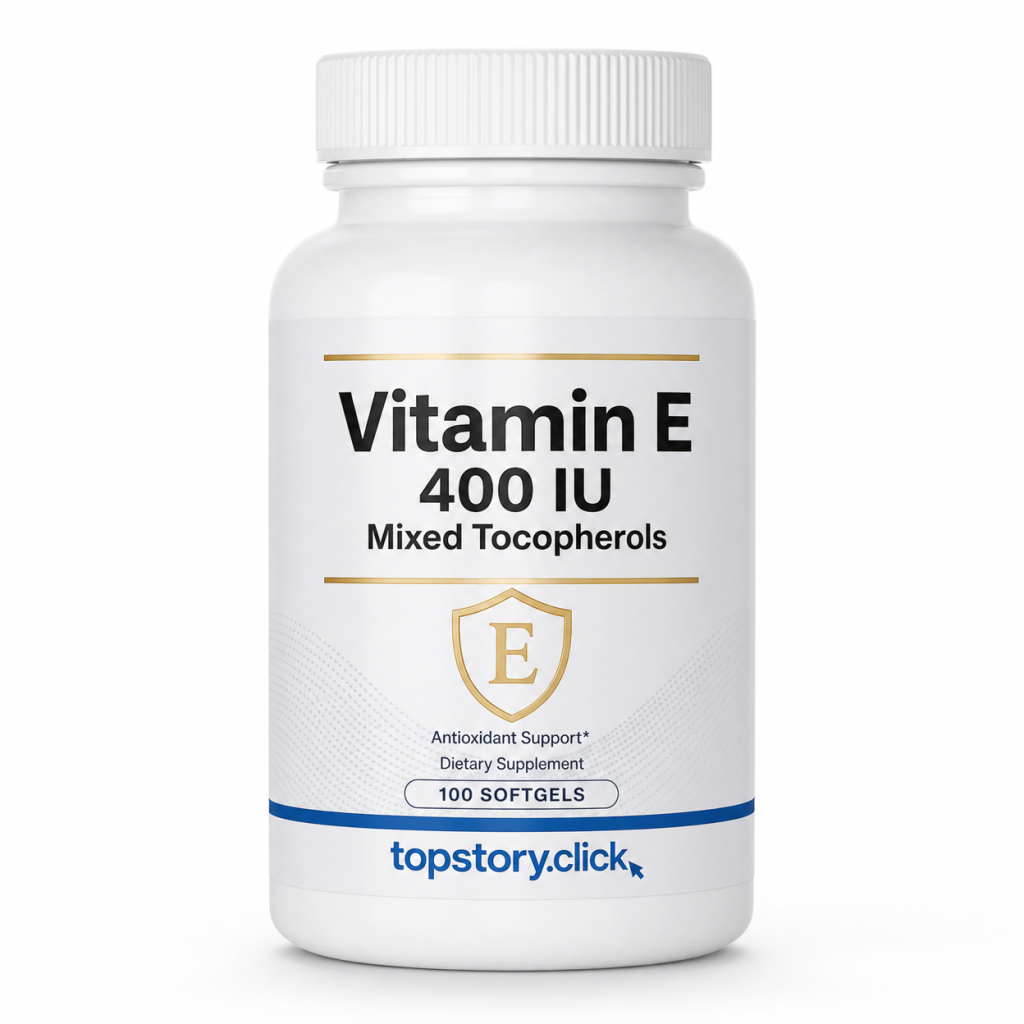
Vitamin E 400 IU Mixed Tocopherols: Complete Antioxidant Protection
May
Introduction
Vitamin E is a crucial fat-soluble antioxidant that plays a central role in protecting the body from oxidative stress. It helps stabilize cell membranes, reduce inflammation, and support immune system function. Because it is stored in fatty tissues and cell membranes, Vitamin E provides long-lasting protection against free radical damage that can accumulate over time.
Most supplements on the market focus primarily on alpha-tocopherol, the most well-known and widely studied form of Vitamin E. However, this represents only part of the full Vitamin E family. Natural food sources contain a combination of tocopherols, and this broader spectrum is increasingly recognized as more physiologically relevant.
Supplements labeled mixed tocopherols include alpha, beta, gamma, and delta tocopherols, offering a more complete antioxidant profile. This approach more closely resembles how Vitamin E exists in nuts, seeds, and plant oils, and may provide broader biological benefits than isolated alpha-tocopherol alone.
At a dose of 400 IU, Vitamin E mixed tocopherols deliver a substantial level of antioxidant support suitable for daily nutritional supplementation.
The Vitamin E Family
Vitamin E is not a single compound but a group of eight related molecules divided into two categories:
- Tocopherols
- Tocotrienols
Among tocopherols, there are four primary forms:
- Alpha-tocopherol
- Beta-tocopherol
- Gamma-tocopherol
- Delta-tocopherol
Each form contributes differently to biological processes in the body.
Alpha-Tocopherol
Alpha-tocopherol is the most abundant form in human tissues and the one most commonly referenced in nutrition guidelines. It is efficiently retained in the body due to specific transport proteins in the liver that prioritize its absorption.
While essential, alpha-tocopherol alone does not represent the full functional range of Vitamin E activity found in food-based sources.
Gamma-Tocopherol
Gamma-tocopherol is the most prevalent form in typical diets, especially from plant oils, nuts, and seeds. It has a distinct biochemical role compared to alpha-tocopherol.
Its key strength lies in neutralizing reactive nitrogen species, a type of free radical linked to chronic inflammation and degenerative diseases. This makes gamma-tocopherol particularly relevant in conditions involving oxidative and inflammatory stress.
Delta-Tocopherol
Although present in smaller amounts in food, delta-tocopherol has shown strong antioxidant activity in experimental research. It contributes to cellular protection and may play a supportive role in reducing inflammation and oxidative damage.
Why Mixed Tocopherols Are Important
In natural food sources, Vitamin E is consumed as a mixture of tocopherols. However, isolated supplementation with only alpha-tocopherol can disrupt this balance.
Research suggests that high doses of alpha-tocopherol may:
- Reduce circulating gamma-tocopherol levels
- Narrow the overall antioxidant spectrum
- Limit anti-inflammatory benefits provided by other forms
Mixed tocopherol formulations avoid this imbalance by preserving a natural ratio of Vitamin E compounds, supporting more comprehensive biological activity.
Key Health Benefits of Vitamin E 400 IU Mixed Tocopherols
1. Cardiovascular Protection
Vitamin E helps protect lipids in the bloodstream from oxidative damage. One of its primary roles is preventing the oxidation of LDL cholesterol, a key step in the development of arterial plaque.
Mixed tocopherols may offer enhanced cardiovascular benefits due to their combined effects on:
- Lipid oxidation
- Inflammatory signaling pathways
- Blood vessel integrity
This makes Vitamin E an important nutrient for long-term heart health support.
2. Neurological and Brain Health
The nervous system is highly sensitive to oxidative stress because of its lipid-rich structure. Vitamin E plays a protective role in maintaining nerve cell integrity.
Adequate intake is associated with:
- Reduced risk of cognitive decline
- Protection against nerve degeneration
- Support for healthy nerve signaling
Deficiency in Vitamin E can lead to neurological symptoms such as numbness, balance issues, and impaired coordination.
3. Immune System Function
Vitamin E contributes to both innate and adaptive immune responses. It enhances immune cell performance, particularly in aging populations.
Key effects include:
- Improved T-cell activity
- Enhanced antibody response
- Strengthened immune defense mechanisms
This immune-supporting role becomes increasingly important with age, when immune efficiency naturally declines.
4. Skin Health and Repair
As a lipid-soluble antioxidant, Vitamin E is naturally integrated into skin cell membranes, where it protects against environmental damage.
Benefits include:
- Protection against UV-induced oxidative stress
- Support for skin repair and wound healing
- Reduction of inflammation
- Improved skin barrier function
It is commonly used in dermatology and skincare formulations for its protective and restorative properties.
5. Eye Health Support
Vitamin E is often studied in combination with other antioxidants in formulations designed to support vision health, such as those used in age-related macular degeneration research.
It may help:
- Reduce oxidative damage in retinal tissues
- Support long-term eye function
- Slow progression of age-related vision decline
6. Hormonal and Inflammatory Balance
Some studies suggest Vitamin E may help regulate inflammatory pathways involved in hormonal symptoms.
It may contribute to relief from:
- Premenstrual syndrome (PMS)
- Menstrual discomfort
- Fibrocystic breast changes
These effects are believed to be related to its influence on prostaglandin metabolism and inflammatory modulation.
Why Mixed Tocopherols Matter in Research Context
Earlier studies using high-dose alpha-tocopherol alone produced mixed results, with some suggesting limited benefit or potential risks at very high intake levels. One explanation is that isolated alpha-tocopherol may disrupt natural Vitamin E balance in the bloodstream.
Mixed tocopherols address this limitation by:
- Preserving gamma-tocopherol levels
- Maintaining antioxidant diversity
- Better reflecting natural dietary intake patterns
This makes them a more physiologically balanced option for long-term supplementation.
Dosage and Safety Considerations
A dose of 400 IU is considered a relatively high but commonly used supplemental amount.
General safety notes include:
- The upper tolerable intake level for adults is approximately 1,000 mg (around 1,500 IU natural alpha-tocopherol equivalent)
- 400 IU is generally well tolerated in healthy individuals
- Caution is advised for individuals on anticoagulant medications (e.g., warfarin) due to potential mild blood-thinning effects
Because Vitamin E is fat-soluble, proper absorption depends on dietary fat intake.
How to Take Vitamin E for Best Absorption
To maximize effectiveness:
- Take with meals containing healthy fats (nuts, oils, avocado, fish)
- Avoid taking on an empty stomach
- Maintain consistent daily use for stable levels
Conclusion
Vitamin E 400 IU Mixed Tocopherols provides a comprehensive and biologically balanced approach to antioxidant supplementation. Unlike single-form alpha-tocopherol products, it delivers a full spectrum of tocopherols that better reflect how Vitamin E naturally exists in food.
With benefits spanning cardiovascular protection, neurological support, immune function, skin health, and cellular defense, mixed tocopherols offer broad-spectrum protection against oxidative stress.
For individuals seeking long-term health support and a more complete form of Vitamin E supplementation, mixed tocopherols represent a well-rounded and scientifically supported choice.
