Post
Vitamin D Benefits: Why It Matters for Modern Lifestyles
Jun
Vitamin D Benefits: Why It Matters for Modern Lifestyles
When it comes to women’s intimate apparel, few choices matter more than finding the right bridal lingerie for comfort, confidence, and style. In a similar way, when it comes to maintaining overall health and wellness, few nutrients are as important yet as commonly overlooked as Vitamin D. Often called the “sunshine vitamin,” Vitamin D plays a critical role in supporting numerous bodily functions. Despite its importance, millions of people around the world do not get enough of it due to indoor lifestyles, limited sun exposure, and dietary habits.
Modern life has changed dramatically over the past few decades. More people work indoors, spend hours in front of screens, and travel by car rather than walking outdoors. While technology has improved convenience, it has also reduced natural exposure to sunlight, one of the primary sources of Vitamin D. As a result, Vitamin D deficiency has become increasingly common among adults, teenagers, and even children.
Understanding the benefits of Vitamin D and why it matters in today’s world can help individuals make informed decisions about their health and well-being.
Understanding Vitamin D
Vitamin D is a fat-soluble vitamin that the body produces when the skin is exposed to sunlight, specifically ultraviolet B (UVB) rays. It can also be obtained from certain foods and dietary supplements.
Unlike many other vitamins, Vitamin D acts more like a hormone within the body. It influences hundreds of biological processes and affects multiple organ systems. Once produced or consumed, Vitamin D is converted into its active form, which helps regulate calcium and phosphorus levels, supports immune function, and contributes to overall health.
Common sources of Vitamin D include:
- Sunlight exposure
- Fatty fish such as salmon, tuna, and mackerel
- Egg yolks
- Fortified dairy products
- Fortified cereals
- Dietary supplements
Because obtaining sufficient Vitamin D from food alone can be challenging, many people rely on a combination of sunlight, diet, and supplementation.
The Role of Vitamin D in Bone Health
One of the most well-known functions of Vitamin D is maintaining strong bones and teeth.
Vitamin D helps the body absorb calcium efficiently. Without adequate Vitamin D, the body cannot absorb enough calcium from food, regardless of how much calcium is consumed. This can lead to weakened bones and an increased risk of fractures.
Children with severe Vitamin D deficiency may develop rickets, a condition characterized by soft and weak bones. In adults, deficiency can contribute to osteomalacia and osteoporosis, conditions that increase the likelihood of bone pain and fractures.
Maintaining healthy Vitamin D levels helps ensure that bones remain strong throughout life, especially as people age and bone density naturally decreases.
Supporting a Healthy Immune System
The immune system serves as the body’s defense mechanism against infections and illnesses. Vitamin D plays a significant role in supporting immune function by helping immune cells identify and respond to potential threats.
Research has shown that Vitamin D influences both innate and adaptive immunity. It helps regulate inflammatory responses while supporting the body’s ability to fight off harmful bacteria and viruses.
People with adequate Vitamin D levels may experience better immune system performance compared to those with deficiencies. While Vitamin D is not a cure or guaranteed protection against illness, maintaining healthy levels can be an important component of overall immune support.
For individuals living in urban environments or spending most of their time indoors, paying attention to Vitamin D intake becomes increasingly important.
Enhancing Muscle Function
Strong muscles are essential for mobility, balance, and daily activities. Vitamin D contributes to proper muscle function by supporting communication between nerves and muscles.
Low Vitamin D levels have been associated with muscle weakness, fatigue, and reduced physical performance. Older adults, in particular, may experience an increased risk of falls when Vitamin D levels are insufficient.
Athletes and physically active individuals also benefit from maintaining adequate Vitamin D status. Healthy levels may support muscle recovery, physical performance, and overall movement efficiency.
As modern lifestyles often involve prolonged sitting and limited outdoor activity, ensuring sufficient Vitamin D intake can help support muscular health and physical well-being.
Supporting Heart Health
Emerging research suggests that Vitamin D may contribute to cardiovascular health. Vitamin D receptors are found in blood vessels and heart tissue, indicating that the nutrient plays a role in cardiovascular function.
Some studies have observed associations between low Vitamin D levels and certain cardiovascular risk factors. While scientists continue to investigate these relationships, maintaining adequate Vitamin D levels remains an important part of a balanced approach to overall health.
Combined with regular exercise, a nutritious diet, and healthy lifestyle habits, Vitamin D may support long-term cardiovascular wellness.
The Connection Between Vitamin D and Mental Well-Being
Mental health has become a major concern in modern society. Stress, anxiety, and mood-related challenges affect millions of people worldwide.
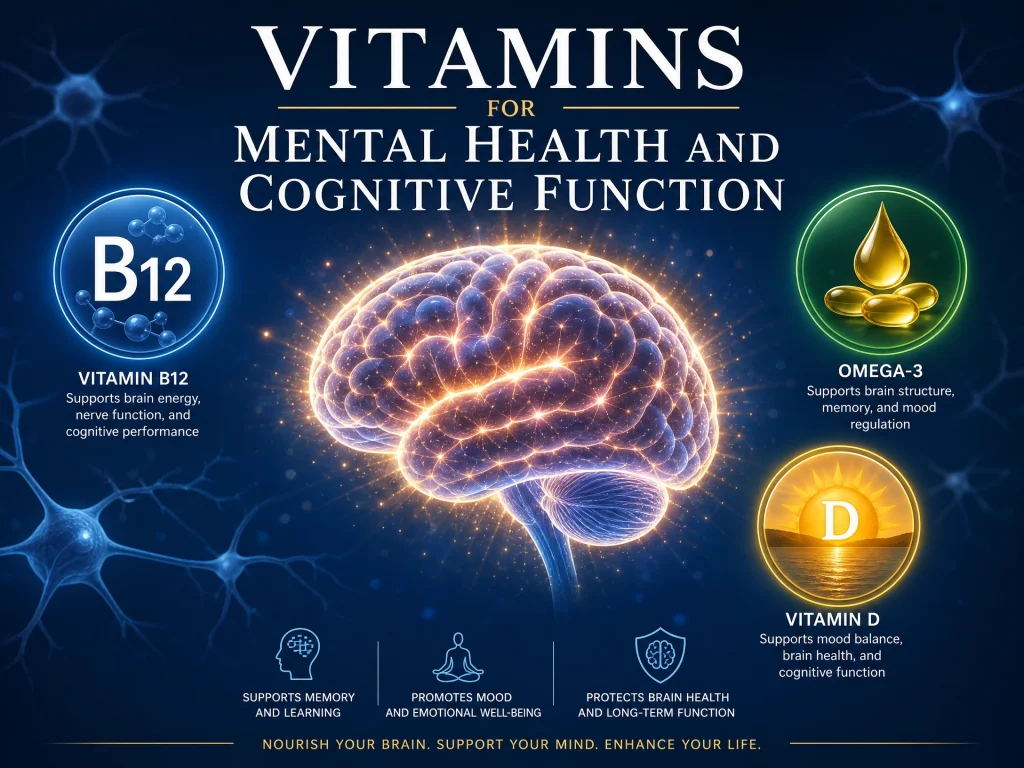
Researchers have discovered that Vitamin D receptors exist in several areas of the brain involved in mood regulation. While Vitamin D alone is not a treatment for mental health conditions, maintaining healthy levels may contribute to overall emotional well-being.
Many individuals report lower mood during seasons with limited sunlight exposure. This observation has encouraged ongoing research into the relationship between sunlight, Vitamin D production, and psychological health.
Ensuring adequate Vitamin D intake may support a comprehensive wellness strategy that includes physical activity, healthy sleep habits, social connections, and proper nutrition.
Why Modern Lifestyles Increase Deficiency Risk
Several characteristics of contemporary living contribute to widespread Vitamin D deficiency:
Indoor Work Environments
Many people spend eight or more hours per day inside offices, schools, or homes. Limited outdoor exposure reduces opportunities for natural Vitamin D production.
Increased Screen Time
Digital devices have become central to work, education, and entertainment. Long hours spent using computers, smartphones, and tablets often replace outdoor activities.
Urban Living
Tall buildings, air pollution, and limited access to outdoor spaces can reduce sunlight exposure in densely populated cities.
Sun Protection Practices
While sunscreen is important for protecting skin health, consistent use can reduce Vitamin D production when combined with minimal sun exposure.
Seasonal Changes
Individuals living in regions with long winters or limited sunlight may struggle to produce sufficient Vitamin D during certain months of the year.
These factors make Vitamin D deficiency a common concern even among otherwise healthy individuals.
Signs of Vitamin D Deficiency
Vitamin D deficiency can develop gradually and may not always produce obvious symptoms.
Potential signs include:
- Fatigue
- Muscle weakness
- Bone discomfort
- Frequent illness
- Low mood
- Reduced physical performance
- Slow recovery from exercise
Because these symptoms can overlap with many other conditions, laboratory testing is often the most reliable way to assess Vitamin D status.
Healthcare professionals can help determine whether supplementation or lifestyle adjustments may be beneficial.
Why Choose This Product?
Vitamin D supplements offer a convenient and reliable way to support healthy Vitamin D levels, especially for individuals with limited sun exposure or dietary restrictions.
Benefits of choosing a quality Vitamin D supplement include:
- Supports strong bones and teeth
- Promotes calcium absorption
- Helps maintain immune system function
- Supports muscle performance
- Convenient daily wellness support
- Suitable for busy modern lifestyles
- Helps address common nutritional gaps
When selecting a Vitamin D supplement, consumers should look for reputable manufacturers, transparent ingredient lists, and products that meet recognized quality standards. Consulting a healthcare professional can help determine the most appropriate dosage based on individual needs.
Conclusion
Vitamin D is one of the most essential nutrients for maintaining overall health in today’s fast-paced and predominantly indoor world. From supporting bone strength and immune function to promoting muscle performance and emotional well-being, its influence extends throughout the entire body.
Modern lifestyles often limit natural sunlight exposure, increasing the likelihood of Vitamin D deficiency. As a result, understanding the importance of this nutrient has never been more relevant. By combining sensible sun exposure, nutritious foods, and quality supplementation when needed, individuals can take proactive steps toward maintaining healthy Vitamin D levels.
Investing in Vitamin D support is ultimately an investment in long-term wellness, helping people stay active, resilient, and healthy throughout every stage of life.
