Post
Vegan Vitamins: Essential Nutrients for a Plant-Based Diet
Jun
Vegan Vitamins: Essential Nutrients for a Plant-Based Diet
Adopting a plant-based diet can be one of the most beneficial choices for personal health, animal welfare, and the environment. With careful planning, a vegan diet can provide all the necessary nutrients for a healthy and thriving life. However, while rich in fiber, antioxidants, and a myriad of phytochemicals, certain nutrients are either scarce or completely absent in plant foods. This is where vegan vitamins and targeted supplementation become crucial, acting as a nutritional safety net to ensure you’re getting everything your body needs. This comprehensive guide will explore the essential nutrients for vegans, highlighting the best strategies for a robust and vibrant plant-based lifestyle.
The Nutritional Landscape of a Vegan Diet
A well-planned vegan diet is undoubtedly healthful, often associated with lower risks of heart disease, type 2 diabetes, certain cancers, and obesity. It naturally emphasizes whole grains, fruits, vegetables, legumes, nuts, and seeds. These foods are powerhouses of vitamins, minerals, and beneficial plant compounds. However, the absence of animal products means that some nutrients that are abundant in meat, dairy, and eggs require careful attention. Understanding this nutritional landscape is the first step towards ensuring a balanced intake.
While many nutrients like Vitamin C, Vitamin K, folate, and magnesium are typically easy to obtain on a vegan diet, others demand a more strategic approach. The bioavailability of certain minerals can also differ between plant and animal sources. This doesn’t mean a vegan diet is inherently deficient, but rather that awareness and informed choices, including considering vegan vitamins, are paramount. Proactive nutritional management helps prevent potential long-term health issues and supports overall well-being on your plant-based journey.
Key Nutrients Vegans Might Need to Supplement
While a diverse plant-based diet offers a wealth of nutrients, certain ones are either difficult to obtain in sufficient quantities from plants or are simply not present. These are the primary nutrients for which vegans should consider targeted supplementation or fortified foods.
Vitamin B12
Vitamin B12 is arguably the most critical supplement for all vegans. It’s produced by bacteria and is not found reliably in plant foods. Deficiency can lead to serious neurological damage, anemia, fatigue, and impaired cognitive function. Even traces of B12 found on unwashed produce or in fermented foods are not reliable sources. Therefore, supplementation is non-negotiable for vegans. Look for cyanocobalamin (the most stable form) or methylcobalamin and adenosylcobalamin (active forms). Dosage typically ranges from 25-100 mcg daily or 1000-2500 mcg weekly, depending on the form and frequency.
Vitamin D
Often called the “sunshine vitamin,” Vitamin D is crucial for bone health, immune function, and mood regulation. While some Vitamin D is produced when skin is exposed to sunlight, many people, regardless of diet, struggle to get enough due to lifestyle, location, or skin tone. Dietary sources are limited, with fatty fish and fortified dairy being primary animal sources. Vegan sources include fortified plant milks, cereals, and some mushrooms exposed to UV light, but these are often insufficient. Vegan Vitamin D supplements are typically D2 (ergocalciferol) or D3 derived from lichen (cholecalciferol). Lichen-derived D3 is generally considered more bioavailable and effective.
Omega-3 Fatty Acids (EPA & DHA)
While flaxseeds, chia seeds, and walnuts provide alpha-linolenic acid (ALA), a plant-based omega-3, the body’s conversion of ALA into the more active forms, eicosapentaenoic acid (EPA) and docosahexaenoic acid (DHA), is often inefficient. EPA and DHA are vital for brain health, eye function, and reducing inflammation. Since their primary dietary sources are fatty fish, vegans need an alternative. Algal oil supplements are an excellent, direct plant-based source of preformed EPA and DHA, offering all the benefits without relying on inefficient conversion or animal products.
Iodine
Iodine is essential for thyroid function, which regulates metabolism, growth, and development. In many countries, iodized salt is a common source, but vegans who limit salt intake or use sea salt (which is often not iodized) may be at risk of deficiency. While some sea vegetables like nori provide iodine, others, such as kelp, can contain excessively high and variable amounts, which can also be detrimental. A more consistent and safer approach for vegans is to ensure regular use of iodized salt or take a modest supplement, typically around 150 mcg daily, often found in a multivitamin.
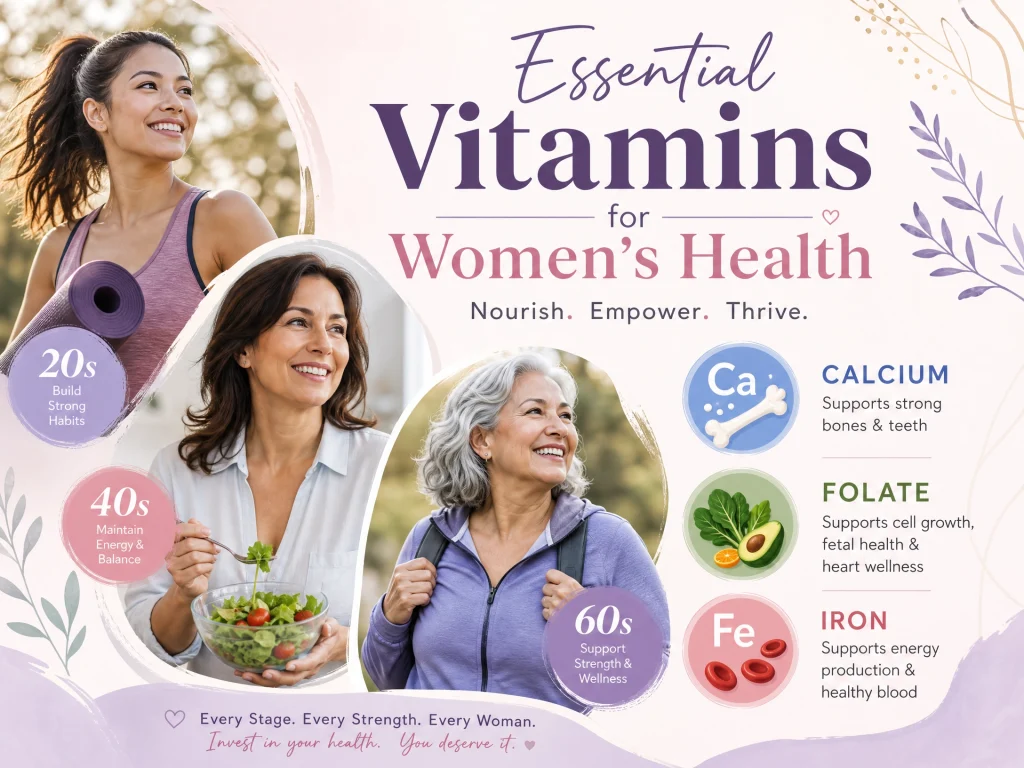
Calcium
Calcium is fundamental for strong bones and teeth, as well as nerve and muscle function. While dairy is a well-known source, a wealth of plant-based foods offers calcium. Excellent vegan sources include fortified plant milks and yogurts, tofu set with calcium sulfate, collard greens, kale, broccoli, and sesame seeds. However, consuming enough to meet daily requirements (typically 1000 mg for adults) can still be challenging for some. A vegan calcium supplement can be beneficial, particularly if dietary intake from fortified foods and greens is inconsistent. Ensure the supplement is plant-based, often derived from algae or rock sources.
Iron
Iron is critical for oxygen transport and energy production. Plant-based iron (non-heme iron) is less readily absorbed than heme iron found in animal products. However, vegans can meet their iron needs by consuming iron-rich plant foods like lentils, beans, spinach, fortified cereals, and pumpkin seeds. Crucially, combining these with Vitamin C-rich foods significantly enhances absorption. While iron deficiency anemia can affect anyone, vegans should be mindful. Routine blood tests can monitor iron levels, and supplementation should generally only be considered under medical supervision, as excess iron can be harmful.
Zinc
Zinc plays a vital role in immune function, wound healing, and DNA synthesis. While abundant in legumes, nuts, seeds, and whole grains, the phytates in these foods can inhibit zinc absorption. Vegans generally consume more phytates than omnivores, which can impact zinc status. Soaking, sprouting, and fermenting grains and legumes can help reduce phytate content. If dietary intake is consistently low, or if symptoms of deficiency arise (e.g., frequent illness, slow wound healing), a vegan zinc supplement (often 8-11 mg daily) may be warranted, ideally taken with food to prevent nausea.
Benefits of Strategic Vegan Supplementation
Integrating targeted vegan vitamins and supplements into a plant-based diet isn’t about compensating for a deficient diet; it’s about optimizing health and ensuring resilience. The benefits extend beyond merely preventing deficiencies:
- Enhanced Energy Levels: Adequate B12 and iron are crucial for preventing fatigue and maintaining high energy, allowing vegans to thrive physically and mentally.
- Stronger Bones: With sufficient Vitamin D and calcium, supported by other bone-healthy nutrients like Vitamin K2 and magnesium, vegans can maintain robust bone density throughout life.
- Improved Cognitive Function: Omega-3s (EPA/DHA) and B12 are vital for brain health, memory, and concentration, contributing to sharp mental clarity.
- Robust Immune System: Vitamins D, C, and zinc are key players in immune function, helping the body defend against illness and recover more quickly.
- Cardiovascular Health: Optimizing nutrient intake can further support heart health, complementing the natural cardiovascular benefits of a whole-foods plant-based diet.
- Better Mood and Mental Well-being: Nutrients like Vitamin D and Omega-3s are linked to mood regulation, potentially reducing the risk of depression and anxiety.
- Support During Specific Life Stages: During pregnancy, lactation, or periods of intense athletic activity, specific nutrient needs increase, and supplementation ensures these demands are met.
By consciously addressing potential nutrient gaps, vegans can fully unlock the health potential of their diet and enjoy optimal vitality.
Navigating the Market: A Buying Guide for Vegan Vitamins
The market for vegan vitamins and supplements has expanded significantly, offering numerous options. Choosing the right products requires careful consideration to ensure efficacy, purity, and ethical alignment. Hereâs what to look for:
- Vegan Certification: Always check for official vegan certifications (e.g., The Vegan Society, Vegan Action) on product labels. This ensures the product contains no animal-derived ingredients, including capsules (often gelatin) or excipients (binders/fillers).
- Third-Party Testing: Look for supplements that have undergone third-party testing for purity and potency. Certifications like NSF, USP, or ConsumerLab.com indicate that the product has been verified for ingredient accuracy and absence of contaminants.
- Bioavailability and Form: Different nutrient forms have varying absorption rates. For example, Vitamin D3 from lichen is generally preferred over D2, and methylcobalamin/adenosylcobalamin are active forms of B12. Research the best forms for each nutrient.
- Dosage: Ensure the dosage aligns with your individual needs and recommendations from health professionals. Be wary of excessively high doses unless specifically advised.
- Ingredient List: Opt for products with minimal fillers, artificial colors, flavors, and unnecessary additives. “Clean label” products are generally a good choice.
- Brand Reputation: Choose reputable brands known for their commitment to quality, transparency, and ethical sourcing. Read reviews and look into their manufacturing practices.
- Allergen Information: If you have allergies, carefully check for common allergens like soy, gluten, or nuts, even in vegan products.
Investing in high-quality vegan vitamins is an investment in your long-term health, ensuring you get the most from your plant-based lifestyle.
Practical Tips for Optimizing Your Vegan Nutrient Intake
Beyond supplementation, there are several practical strategies to maximize your nutrient intake on a plant-based diet, fostering a holistic approach to health.
- Embrace a “Food First” Philosophy: Prioritize whole, unprocessed plant foods. While supplements fill gaps, the bulk of your nutrition should come from a diverse range of fruits, vegetables, legumes, whole grains, nuts, and seeds.
- Eat the Rainbow: Consume a wide variety of colorful fruits and vegetables daily to ensure a broad spectrum of vitamins, minerals, and antioxidants.
- Fortified Foods: Regularly include fortified plant milks (with B12, D, Calcium), cereals, and nutritional yeast (for B vitamins, including B12) in your diet.
- Enhance Absorption: Pair iron-rich plant foods with Vitamin C sources (e.g., lentils with bell peppers). Soak, sprout, or ferment legumes and grains to reduce phytates and enhance mineral absorption.
- Regular Blood Tests: Schedule annual check-ups with your doctor to monitor key nutrient levels like B12, Vitamin D, iron, and thyroid function. This personalized data can inform your supplementation strategy.
- Consult a Registered Dietitian: For personalized advice, especially if you have specific health concerns, are pregnant, lactating, or an athlete, consult a dietitian specializing in plant-based nutrition.
- Sunlight Exposure: Safely expose your skin to sunlight for 10-30 minutes several times a week (depending on skin tone and location) to support natural Vitamin D production, while still considering a supplement.
- Consistency is Key: Make supplementation a regular habit. Missing doses of essential vegan vitamins can lead to gradual declines in nutrient status.
By integrating these tips, you can confidently navigate your vegan journey, ensuring robust health and sustained vitality.
Frequently Asked Questions About Vegan Vitamins
Are vegan supplements always necessary for a healthy plant-based diet?
For some key nutrients like Vitamin B12, supplementation is universally recommended for all vegans, regardless of diet quality. For others, such as Vitamin D, Omega-3s, and Iodine, it’s highly recommended due to limited reliable plant sources. For nutrients like calcium, iron, and zinc, while it’s possible to meet needs through diet, many vegans find supplements provide a valuable safety net, especially if dietary intake is inconsistent or specific needs are higher.
Can I get all the nutrients I need from fortified foods instead of supplements?
While fortified foods (like plant milks and nutritional yeast) can contribute significantly to your intake of B12, Vitamin D, and calcium, they may not always provide sufficient amounts to meet all your needs, especially for B12 and Omega-3 DHA/EPA. Relying solely on fortified foods might also limit dietary variety. Supplements offer a more controlled and often more potent dose, making them a reliable option for ensuring optimal intake of critical nutrients.
What are the common signs of nutrient deficiencies in vegans?
Signs of deficiency can vary but often include fatigue, weakness, pale skin (iron, B12), tingling or numbness (B12), bone pain (Vitamin D), impaired wound healing (zinc), frequent illness (Vitamin D, zinc), and cognitive issues like memory problems or difficulty concentrating (B12, Omega-3s). If you experience any of these symptoms, it’s crucial to consult a healthcare professional for diagnosis and guidance, which may include blood tests.
Are vegan vitamins safe for pregnant or breastfeeding women?
Pregnant and breastfeeding vegan women have increased nutrient needs, making supplementation even more critical. B12, Vitamin D, folate, iron, iodine, and choline are particularly important. However, it’s absolutely essential to consult with a doctor or a registered dietitian specializing in plant-based nutrition. They can recommend specific vegan vitamins, appropriate dosages, and monitor your health to ensure the well-being of both mother and baby.
Conclusion
Embracing a vegan lifestyle is a powerful choice for health, ethics, and the planet. With careful planning and a conscious approach to nutrition, a plant-based diet can fuel a vibrant and healthy life. While abundant in many essential nutrients, certain key vitamins and minerals are less accessible or absent in plant foods. Strategic supplementation with vegan vitamins such as B12, Vitamin D, Omega-3s, and iodine, alongside a focus on calcium, iron, and zinc from diverse plant sources, is not merely a fallback but a cornerstone of optimal vegan health.
By understanding your nutritional needs, making informed choices about food and supplements, and consulting with healthcare professionals, you can confidently navigate your plant-based journey. Prioritizing these essential nutrients ensures not just the prevention of deficiencies, but the achievement of peak vitality, allowing you to truly thrive on your vegan diet.
“`
