Post
Seasonal Boost: Vitamins to Support Your Health Year-Round
Jun
Seasonal Boost: Vitamins to Support Your Health Year-Round
Our health is not a static state; it’s a dynamic interplay between our internal systems and the external environment. Just as the seasons change, so do the demands on our bodies. From battling winter colds to managing spring allergies, protecting skin in summer, and bolstering immunity for autumn, our nutritional needs can fluctuate significantly. Relying solely on a one-size-fits-all approach to nutrition might leave you vulnerable during certain times of the year.
This comprehensive guide explores the crucial role of vitamins in supporting your health year-round, offering a strategic approach to adapt your nutritional intake to the rhythm of the seasons. Discover how a proactive vitamin regimen can help you maintain peak vitality, strengthen your immune system, boost your energy levels, and enhance your overall well-being, no matter what the calendar brings.
The Importance of Year-Round Nutritional Support
Many of us tend to think about vitamins only when we feel a cold coming on or when we’re trying to achieve a specific health goal. However, truly optimal health requires a more consistent and thoughtful approach. Our modern diets, even with the best intentions, often fall short of providing all the essential micronutrients our bodies need, especially when faced with environmental stressors, busy lifestyles, and seasonal shifts. These deficiencies can silently undermine our immune systems, energy levels, mood, and long-term health.
Considering our health needs on a seasonal basis allows for a more targeted and effective strategy. For example, sunlight exposure significantly impacts Vitamin D levels, making supplementation more critical in darker months. Allergy sufferers might benefit from specific nutrients in spring, while others might need extra antioxidant support during summer’s increased sun exposure. By understanding these dynamic requirements, we can empower our bodies to not just react to illnesses but to build robust resilience throughout the entire year.
Key Vitamins for Immune Resilience Across Seasons
A strong immune system is your body’s best defense against illness, regardless of the season. While various factors contribute to immunity, certain vitamins and minerals are non-negotiable for keeping your defenses robust:
- Vitamin C: The Antioxidant Powerhouse. Famous for its role in immunity, Vitamin C is a potent antioxidant that protects cells from damage and supports the function of various immune cells. It’s crucial not just during cold and flu season but year-round for collagen production, wound healing, and stress response.
- Vitamin D: The Sunshine Vitamin. Often called the most crucial immune-regulating nutrient, Vitamin D plays a vital role in modulating both innate and adaptive immune responses. Deficiency is widespread, especially in winter or for those with limited sun exposure, making year-round supplementation a strong recommendation for many.
- Zinc: The Immune Modulator. This essential trace mineral is involved in over 300 enzymatic reactions in the body, including the development and function of immune cells. Zinc deficiency can impair immune function, making adequate intake critical for defense against infections.
- Selenium: The Antioxidant Cofactor. Selenium works closely with Vitamin E to protect cells from oxidative damage. It’s important for thyroid function and plays a significant role in enhancing the immune response and mitigating the impact of viral infections.
- Elderberry: A Natural Immune Booster. While not a vitamin, elderberry extract is a popular supplement known for its antiviral properties, particularly beneficial during cold and and flu season. It can help support the immune system and potentially reduce the severity and duration of symptoms.
Beyond Immunity: Vitamins for Energy, Mood, and Overall Vitality
Optimal health extends beyond just fending off illness. Energy, mental clarity, stable mood, and physical vitality are all essential components of a thriving life. Many vitamins play a pivotal role in these areas, ensuring your body and mind are performing at their best:
- B Vitamins (B Complex): The Energy Generators. The B vitamins (B1, B2, B3, B5, B6, B7, B9, B12) are crucial for converting food into energy, supporting neurological function, and creating red blood cells. They are particularly important during periods of stress, high physical activity, or for those following plant-based diets (especially B12).
- Magnesium: The Master Mineral. Involved in over 300 biochemical reactions, magnesium is vital for muscle and nerve function, blood glucose control, blood pressure regulation, and bone health. It’s also known for its calming properties, aiding in sleep and stress reduction.
- Omega-3 Fatty Acids (EPA & DHA): Brain and Heart Health. While not technically vitamins, these essential fatty acids are critical for brain function, eye health, reducing inflammation, and supporting cardiovascular health. They can also positively impact mood and cognitive function.
- Iron: For Oxygen Transport and Energy. Iron is an integral component of hemoglobin, which transports oxygen from the lungs to all parts of the body. Deficiency can lead to fatigue, weakness, and impaired cognitive function, particularly common in menstruating women and vegetarians.
- Vitamin K2: Bone and Heart Health. Often overlooked, Vitamin K2 works synergistically with Vitamin D to ensure calcium is deposited in bones and teeth, rather than accumulating in arteries and soft tissues. It’s crucial for long-term bone density and cardiovascular health.
Seasonal Spotlight: Tailoring Your Vitamin Intake
Adapting your vitamin regimen to the changing seasons can provide targeted support exactly when your body needs it most.
Winter Wellness: Combating Colds and Fatigue
As daylight hours shorten and temperatures drop, our bodies often face increased challenges. Winter is synonymous with cold and flu season, and reduced sun exposure can lead to plummeting Vitamin D levels. Focus on:
- Vitamin D: Essential for immune function and mood support during darker months. A daily supplement is often recommended.
- Vitamin C & Zinc: Boost these during cold and flu season to bolster your immune defenses.
- B Vitamins: To combat seasonal fatigue and support energy metabolism, particularly when energy levels might naturally dip.
- Probiotics: A healthy gut biome supports overall immunity, a crucial line of defense when pathogens are more prevalent.
Spring into Action: Allergy Support and Detox
Spring brings renewed life, but also pollen and allergens for many. It’s a time for cellular renewal and supporting natural detoxification pathways.
- Vitamin C: Acts as a natural antihistamine and anti-inflammatory, helping to moderate allergy symptoms.
- Quercetin: A flavonoid found in plants, it helps stabilize mast cells to reduce histamine release, often taken with Vitamin C.
- N-Acetyl Cysteine (NAC): Supports lung health and aids in glutathione production, a master antioxidant crucial for detoxification.
- Magnesium: Can help relax airways and reduce muscle spasms, potentially easing respiratory discomfort from allergies.
Summer Sunshine: Skin Health and Energy Boost
Longer days and outdoor activities mean more sun exposure and potentially more physical exertion. Focus on protecting your skin and maintaining hydration and energy.
- Vitamin E & Astaxanthin: Powerful antioxidants that help protect skin cells from UV damage and free radicals, working synergistically with sunscreen.
- Vitamin A (Beta-Carotene): Supports skin health and acts as an antioxidant, contributing to a healthy glow.
- Electrolytes (Magnesium, Potassium, Sodium): Crucial for maintaining hydration and preventing muscle cramps during increased physical activity and sweating.
- B Vitamins: To sustain energy levels through active summer days.
Autumn’s Harvest: Preparing for the Shorter Days
Autumn marks a transition, preparing our bodies for the colder, darker months ahead. It’s an ideal time to bolster immunity and support mood.
- Vitamin D: Begin or increase supplementation as sun exposure wanes to build up stores for winter.
- Omega-3s: Support mood and cognitive function, which can be beneficial as daylight decreases. They also have anti-inflammatory properties.
- Adaptogens (e.g., Ashwagandha, Rhodiola): While not vitamins, these herbs can help the body adapt to stress and maintain energy as seasons shift.
- Zinc & Selenium: Continue to provide foundational immune support in preparation for winter.
The Comprehensive Benefits of Consistent Vitamin Intake
Beyond seasonal adjustments, maintaining consistent and adequate vitamin intake throughout the year yields a multitude of profound benefits for your overall health and longevity:
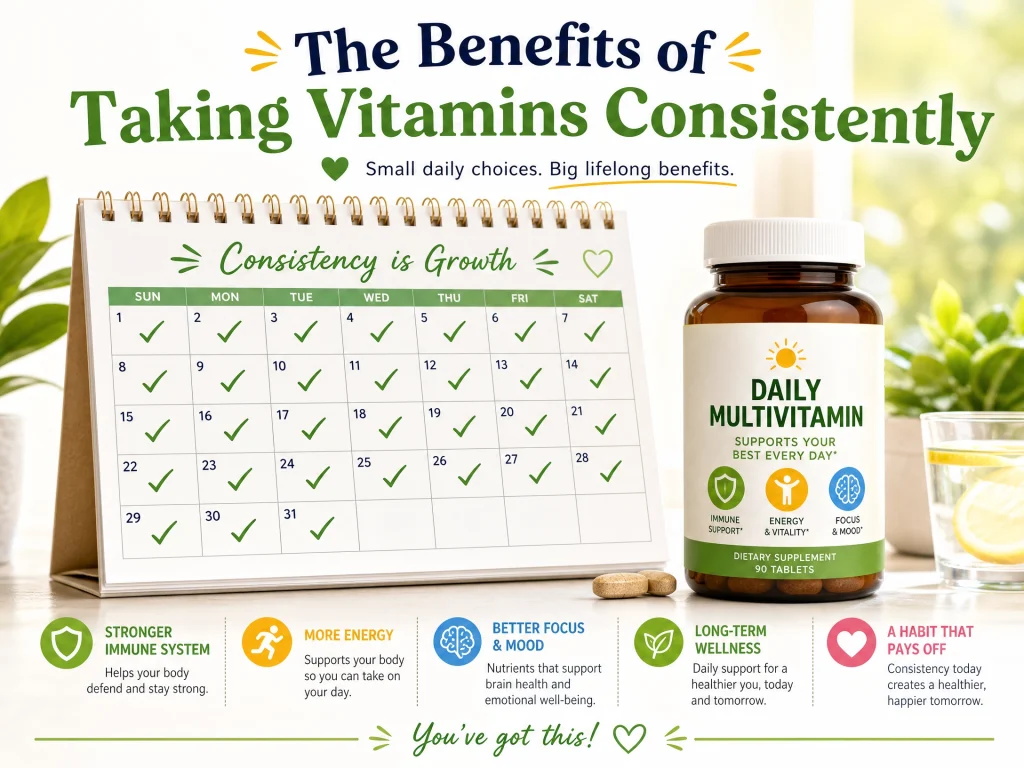
- Enhanced Immune Function: A well-nourished body is better equipped to fend off infections and recover faster.
- Increased Energy Levels: Vitamins are essential cofactors in energy production, preventing fatigue and boosting vitality.
- Improved Mood and Cognitive Function: Specific vitamins play a critical role in neurotransmitter synthesis, supporting mental clarity, memory, and emotional balance.
- Stronger Bones and Healthy Joints: Nutrients like Vitamin D, K2, Calcium, and Magnesium are fundamental for bone density and joint integrity.
- Better Skin, Hair, and Nail Health: Vitamins C, E, A, and B complex are vital for collagen production, antioxidant protection, and cell renewal.
- Cardiovascular Protection: Certain vitamins and minerals contribute to healthy blood pressure, cholesterol levels, and arterial flexibility.
- Reduced Risk of Chronic Diseases: Consistent nutrient intake helps mitigate oxidative stress and inflammation, key drivers of many chronic conditions.
- Optimal Metabolic Function: Vitamins are integral to all metabolic processes, ensuring your body efficiently processes nutrients and eliminates waste.
By making year-round vitamin support a cornerstone of your wellness routine, you’re not just reacting to health issues; you’re proactively investing in a stronger, healthier, and more resilient future.
Navigating the Supplement Aisle: A Buying Guide
With an overwhelming array of vitamin supplements available, choosing the right ones can feel daunting. Here’s how to make informed decisions:
- Prioritize Quality and Purity: Look for brands that conduct third-party testing for purity, potency, and absence of contaminants (heavy metals, pesticides). Certifications from organizations like USP (U.S. Pharmacopeia), NSF International, or ConsumerLab.com are good indicators.
- Check for Bioavailability: Some forms of vitamins are better absorbed by the body than others. For example, magnesium glycinate is often preferred over magnesium oxide, and methylcobalamin is a more bioavailable form of B12 than cyanocobalamin. Research or ask for guidance on the best forms.
- Read Labels Carefully: Pay attention to the dosage per serving, the number of servings per container, and any additional ingredients (fillers, artificial colors, allergens). Ensure the dosage aligns with your needs, ideally under professional guidance.
- Consider Your Dietary Needs: If you have dietary restrictions (e.g., vegan), ensure your supplements are free from animal products. For those with allergies, check for common allergens like gluten, dairy, or soy.
- Consult a Healthcare Professional: Before starting any new supplement regimen, especially if you have existing health conditions or are on medication, consult with a doctor, dietitian, or qualified nutritionist. They can help assess your individual needs and prevent potential interactions or overdosing.
- Start with Foundational Supplements: A high-quality multivitamin, Omega-3s, and Vitamin D are often good starting points, then add targeted supplements based on seasonal needs or specific deficiencies identified through testing.
- Don’t Be Swayed by Marketing Hype: Focus on scientific evidence and reputable sources rather than extravagant claims or celebrity endorsements.
Practical Tips for Integrating Vitamins into Your Daily Routine
Making vitamin supplementation a consistent habit is key to reaping their full benefits. Here are some practical tips to seamlessly integrate them into your lifestyle:
- Consistency is Key: Set a specific time each day to take your vitamins – perhaps with breakfast or dinner – to build a routine. Use a pill organizer if needed.
- Take with Food (Where Appropriate): Many fat-soluble vitamins (A, D, E, K) are best absorbed with a meal containing healthy fats. Others, like B vitamins, can also be better tolerated with food. Check supplement instructions.
- Stay Hydrated: Drinking plenty of water is essential for overall health and helps your body process and utilize nutrients effectively.
- Combine with a Balanced Diet: Supplements are meant to supplement, not replace, a healthy diet. Focus on nutrient-rich whole foods, fruits, vegetables, lean proteins, and healthy fats.
- Listen to Your Body: Pay attention to how you feel. If you notice any adverse reactions or new symptoms, consult your healthcare provider.
- Store Properly: Keep vitamins in a cool, dry place away from direct sunlight to maintain their potency.
- Review Periodically: Your needs can change. Review your supplement regimen with a healthcare professional annually or if your lifestyle, diet, or health status changes significantly.
- Integrate Lifestyle Factors: Remember that vitamins work best in conjunction with other healthy habits, including regular exercise, adequate sleep, and stress management.
Frequently Asked Questions About Seasonal Vitamin Support (FAQ)
Q1: Do I really need to take vitamins year-round, or can I get everything from food?
While a balanced diet is the foundation of good health, it’s increasingly challenging to obtain all necessary nutrients solely through food due to modern farming practices, soil depletion, and individual lifestyle factors. Year-round supplementation, especially for common deficiencies like Vitamin D, acts as an insurance policy to ensure optimal levels, particularly during seasonal transitions or periods of higher demand.
Q2: Can I just take a multivitamin for year-round support?
A high-quality multivitamin can provide a good baseline of essential nutrients. However, it often doesn’t contain optimal doses for specific needs (e.g., Vitamin D during winter) or targeted support for seasonal challenges (e.g., specific allergy support in spring). A multivitamin is an excellent starting point, but individual supplements might be needed to address specific deficiencies or seasonal requirements.
Q3: Are there any risks or side effects of taking too many vitamins?
Yes, exceeding recommended dosages for certain vitamins, particularly fat-soluble ones (A, D, E, K), can lead to toxicity over time. Water-soluble vitamins (B and C) are generally excreted, but excessively high doses can still cause side effects. Always adhere to recommended dosages and consult a healthcare professional before taking high doses or combining multiple supplements to avoid potential adverse effects or nutrient interactions.
Q4: How long does it take to notice the benefits of taking vitamins?
The time frame varies widely depending on the specific vitamin, your initial deficiency level, and your overall health. Some benefits, like improved energy or sleep, might be noticed within a few weeks. Others, like stronger bones or improved immune resilience, can take months of consistent intake. Consistency is crucial for long-term benefits.
Q5: Should I get my vitamin levels tested?
Yes, especially for key vitamins like Vitamin D, B12, and iron, testing can provide valuable insights into your specific needs and help tailor your supplementation. Discuss testing options with your doctor, particularly if you suspect a deficiency or have specific health concerns.
Conclusion: Your Path to Year-Round Optimal Health
Embracing a proactive and seasonally aware approach to vitamin intake is a powerful strategy for maintaining peak health and vitality throughout the entire year. By understanding how your body’s needs shift with the seasons and thoughtfully supplementing your diet, you can fortify your immune system, sustain your energy, stabilize your mood, and protect your long-term well-being. Remember that consistency, quality, and personalized guidance from a healthcare professional are the cornerstones of an effective vitamin regimen. Invest in your health today, and experience the continuous seasonal boost that truly supports your body’s journey to optimal wellness.
“`
