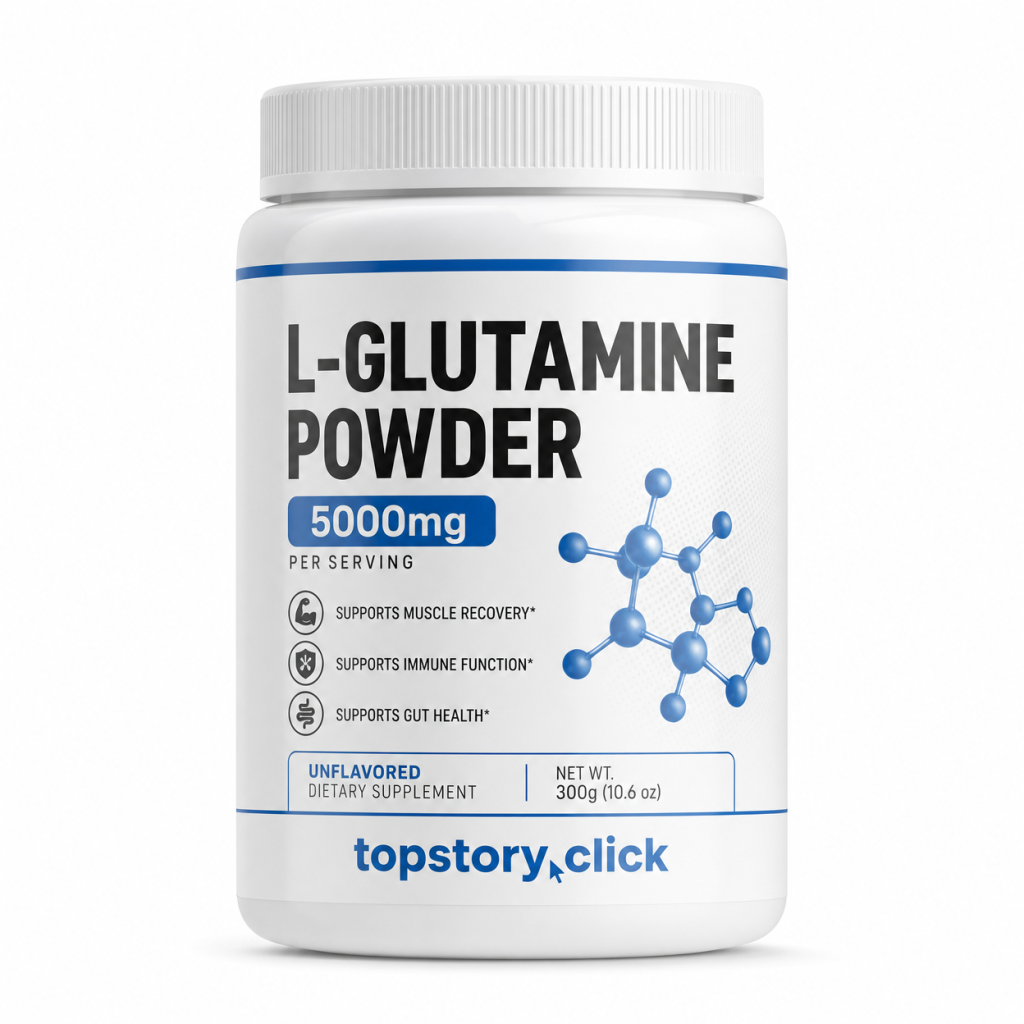
Introduction L-Glutamine is often described as a “support nutrient,” but that undersells its biological importance. It is the most abundant amino acid in the bloodstream and skeletal muscle, and it functions as a central hub in gut integrity, immune metabolism, acid–base balance, and cellular energy production. Unlike many amino acids that serve primarily as building […]
Category Archives: Post
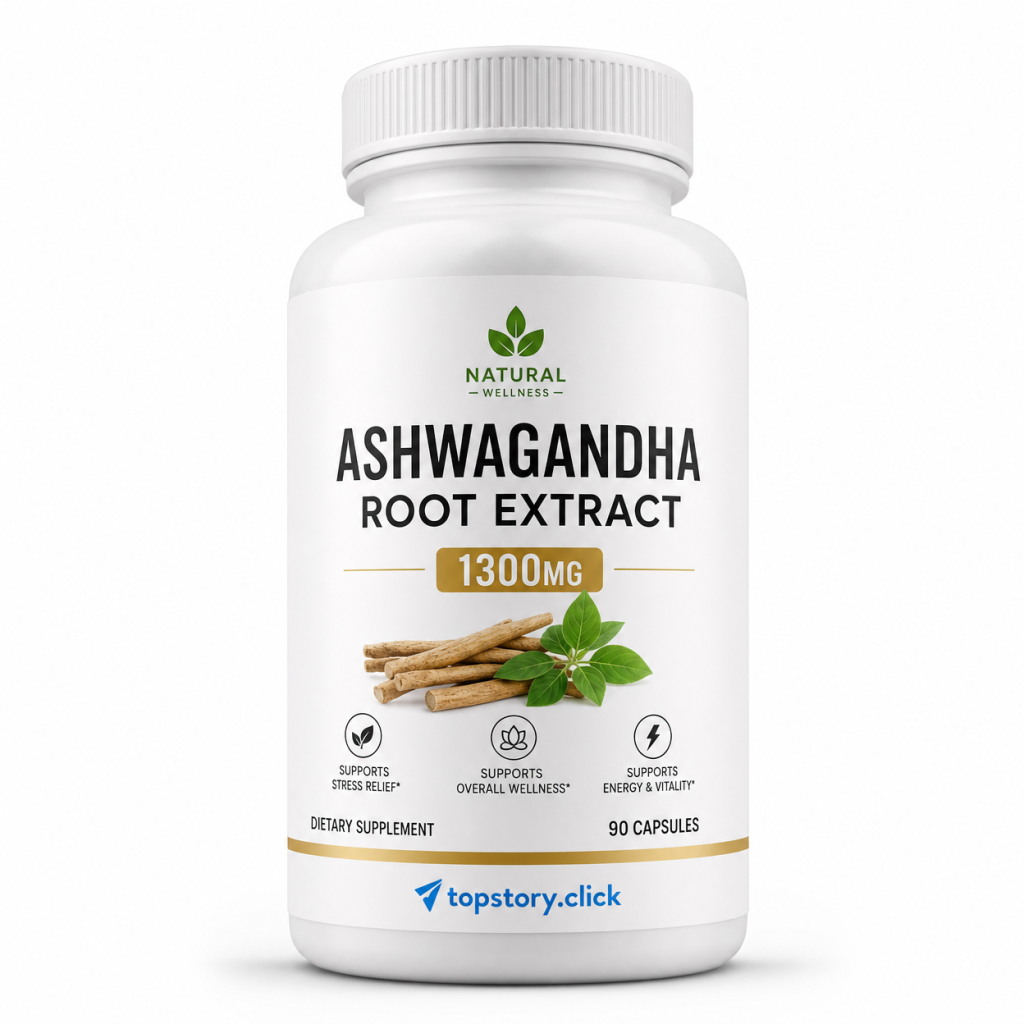
Introduction Ashwagandha (Withania somnifera) is one of the most important herbs in Ayurvedic medicine, used continuously for more than 3,000 years as a foundational tonic for vitality, endurance, and stress resistance. It is traditionally classified as a “Rasayana” herb — a category of botanicals believed to restore balance, improve longevity, and strengthen overall physiological resilience. […]
Introduction Turmeric has been a cornerstone of Ayurvedic and traditional Chinese medicine for more than 4,000 years, valued not only as a culinary spice but also as a therapeutic agent for a wide range of inflammatory and degenerative conditions. The bright golden color of turmeric comes from a group of polyphenolic compounds known as curcuminoids, […]
Introduction Few dietary supplements have experienced as rapid a rise in global popularity as elderberry, particularly in the context of increasing awareness of immune system health and seasonal respiratory infections. Elderberry-based products have transitioned from traditional herbal remedies into widely used modern nutraceuticals, especially when combined with zinc and Vitamin C — two of the […]
Introduction The liver is one of the most metabolically active and biologically essential organs in the human body. It is responsible for more than 500 known functions, including detoxification of endogenous waste products, metabolism of drugs and xenobiotics, bile production, regulation of blood glucose, cholesterol synthesis, and hormone breakdown. Despite its central role in maintaining […]
Introduction Vitamin E is a crucial fat-soluble antioxidant that plays a central role in protecting the body from oxidative stress. It helps stabilize cell membranes, reduce inflammation, and support immune system function. Because it is stored in fatty tissues and cell membranes, Vitamin E provides long-lasting protection against free radical damage that can accumulate over […]
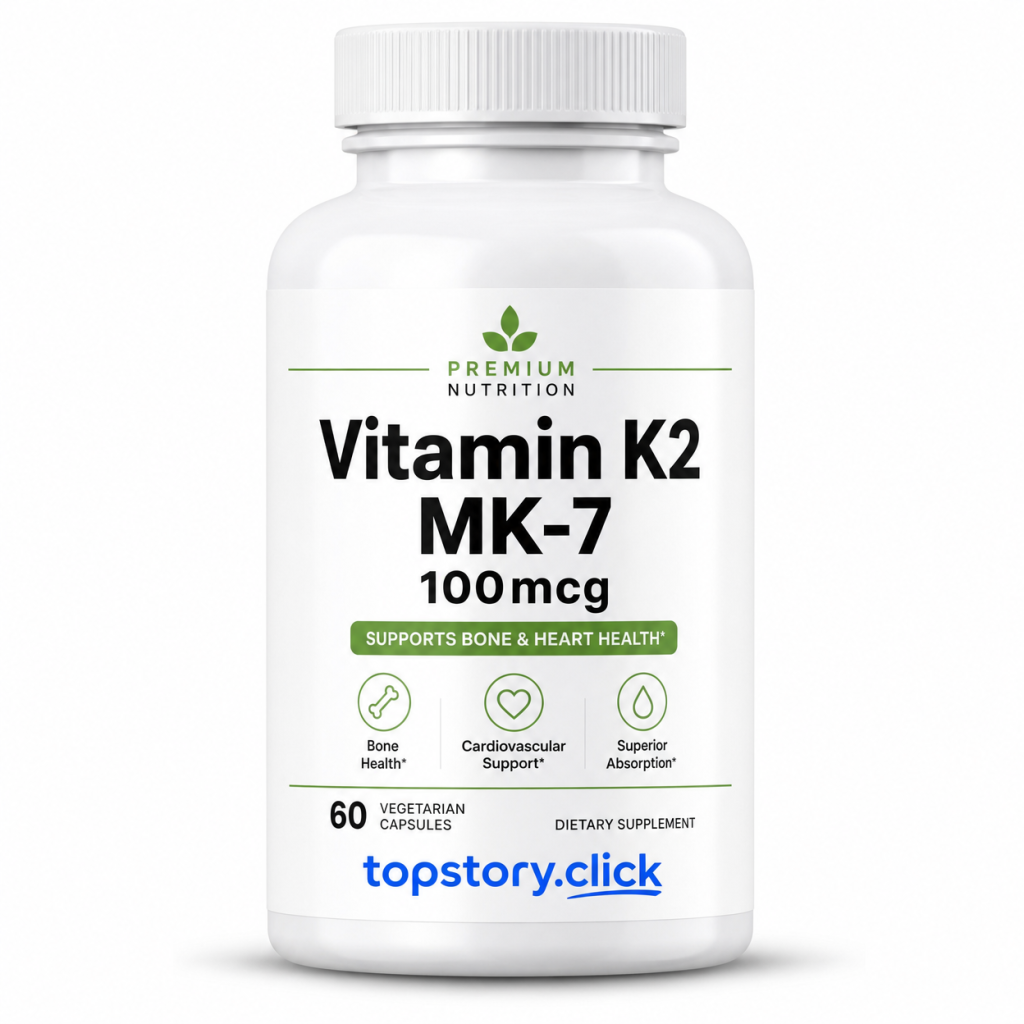
Introduction Vitamin K2 is one of the most essential yet frequently overlooked nutrients in modern nutrition. While Vitamin K1 is well known for its role in blood clotting, Vitamin K2 performs a very different and far more specialized function: it regulates calcium distribution throughout the body. Instead of simply increasing calcium availability, Vitamin K2 ensures […]
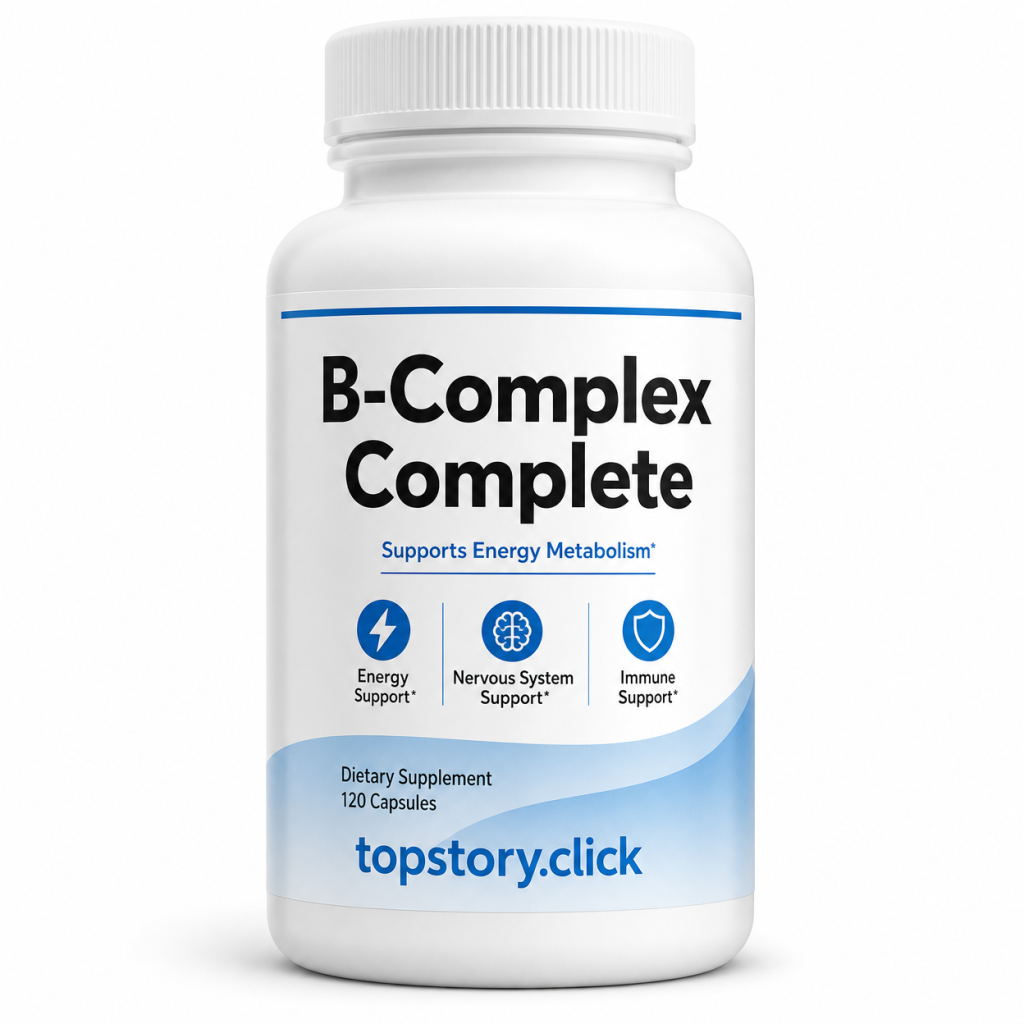
Introduction The B-vitamin family consists of eight water-soluble nutrients that work together to support nearly every major biological process in the human body. Unlike single vitamins that target specific functions, the B vitamins operate as an integrated system, driving energy production, brain function, DNA repair, and metabolic regulation. Because these vitamins are water-soluble and not […]
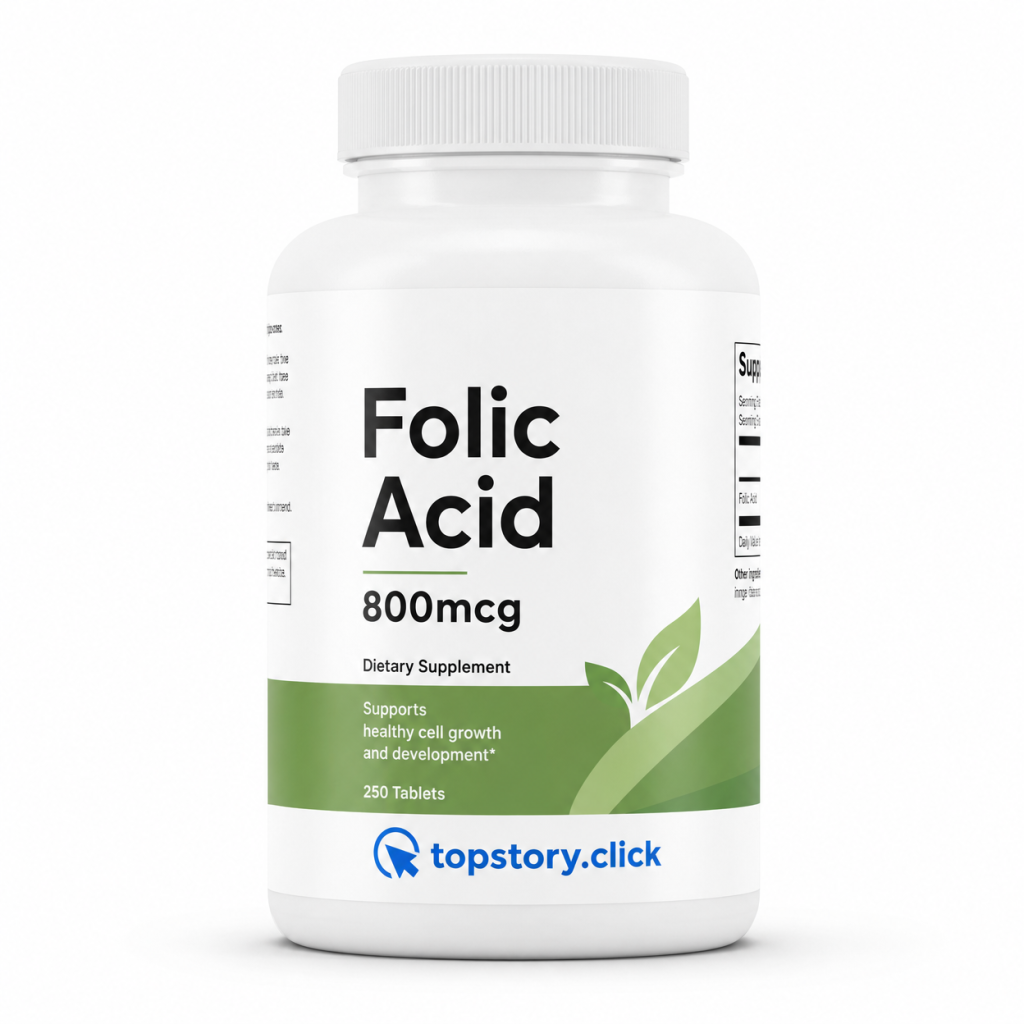
Introduction Folic acid is the synthetic, stable form of Vitamin B9 (folate) and remains one of the most extensively studied vitamins in human nutrition. At a dosage of 800mcg, it provides a high but commonly used supplemental level that supports critical biological processes such as DNA synthesis, cell division, and methylation. Unlike many nutrients that […]
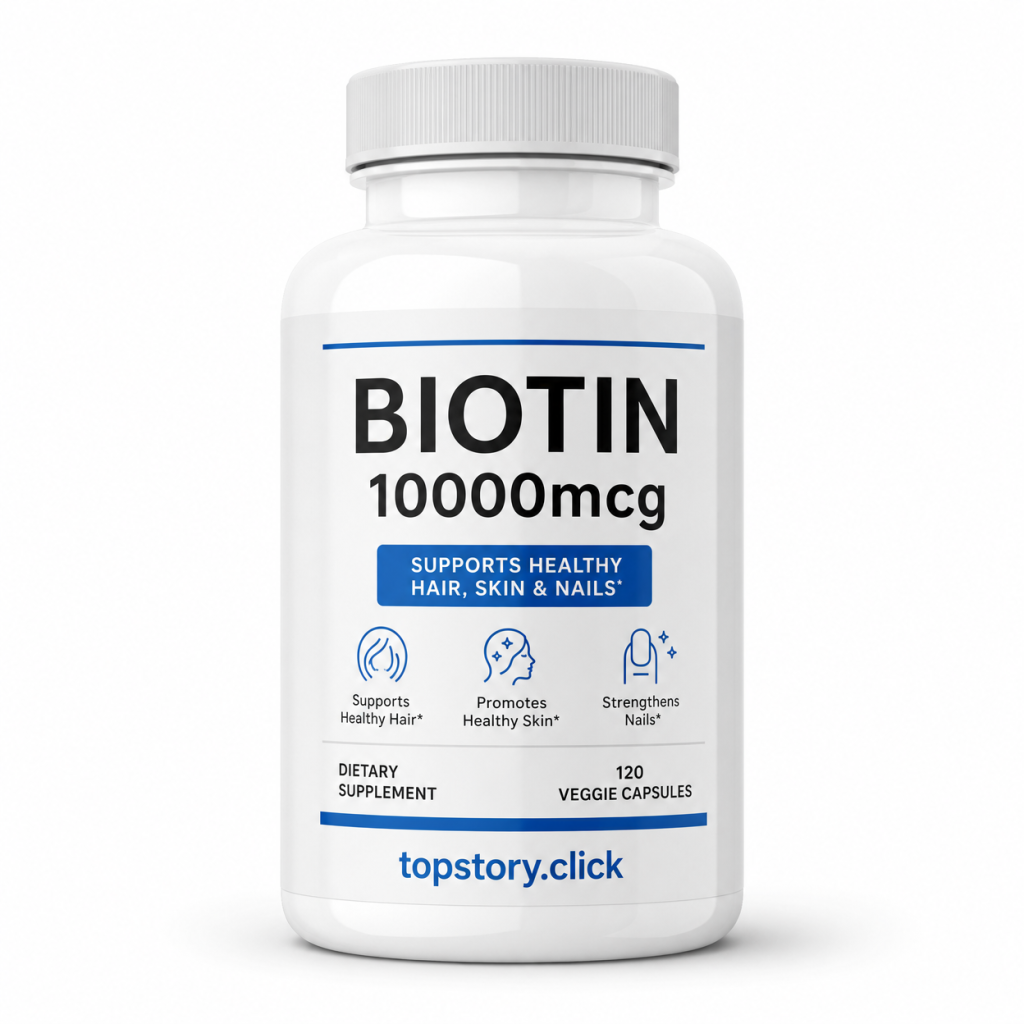
Introduction Biotin, also known as Vitamin B7 or Vitamin H, is a water-soluble B vitamin that has become widely recognized for its role in supporting hair, skin, and nail health. In recent years, high-dose formulations such as 10,000mcg (10mg) have become extremely popular in the beauty and wellness industry due to their association with stronger […]