Introduction Essential fatty acids are among the most fundamental yet often misunderstood nutrients in human biology. While vitamins and minerals frequently dominate nutritional discussions, fatty acids are equally critical because they form the structural foundation of every cell membrane in the body. They influence how cells communicate, how inflammation is regulated, how hormones are produced, […]
Category Archives: Post
Introduction The human body is not a standalone biological system — it is an ecosystem. At the center of this ecosystem lies the gut microbiome, a dense and highly active community of trillions of microorganisms that collectively weigh up to 1–2 kilograms in an adult human. These microorganisms are not passive residents; they actively participate […]
Introduction Even with a carefully structured diet and a high-quality supplement regimen, optimal nutrition cannot be achieved if the digestive system is unable to properly break down food and absorb nutrients. Digestion is not a passive process; it is a highly coordinated biochemical system involving gastric acid, pancreatic enzymes, bile secretion, and intestinal brush-border enzymes. […]
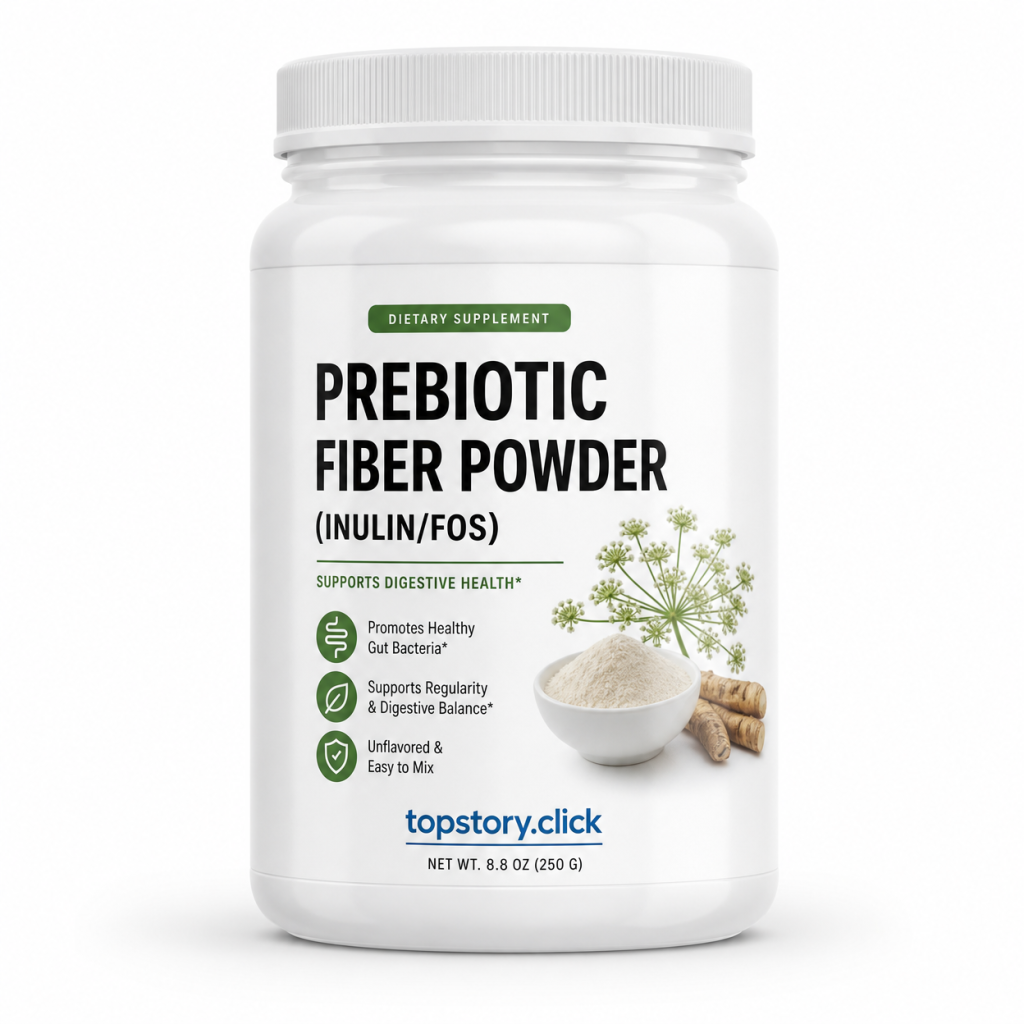
Introduction While probiotics introduce beneficial live microorganisms into the gastrointestinal tract, prebiotics operate at a more foundational level: they provide the selective nutritional substrate required for those microorganisms — as well as the resident gut microbiota — to grow, metabolize, and maintain a stable ecological balance. Without adequate prebiotic intake, even the most potent probiotic […]
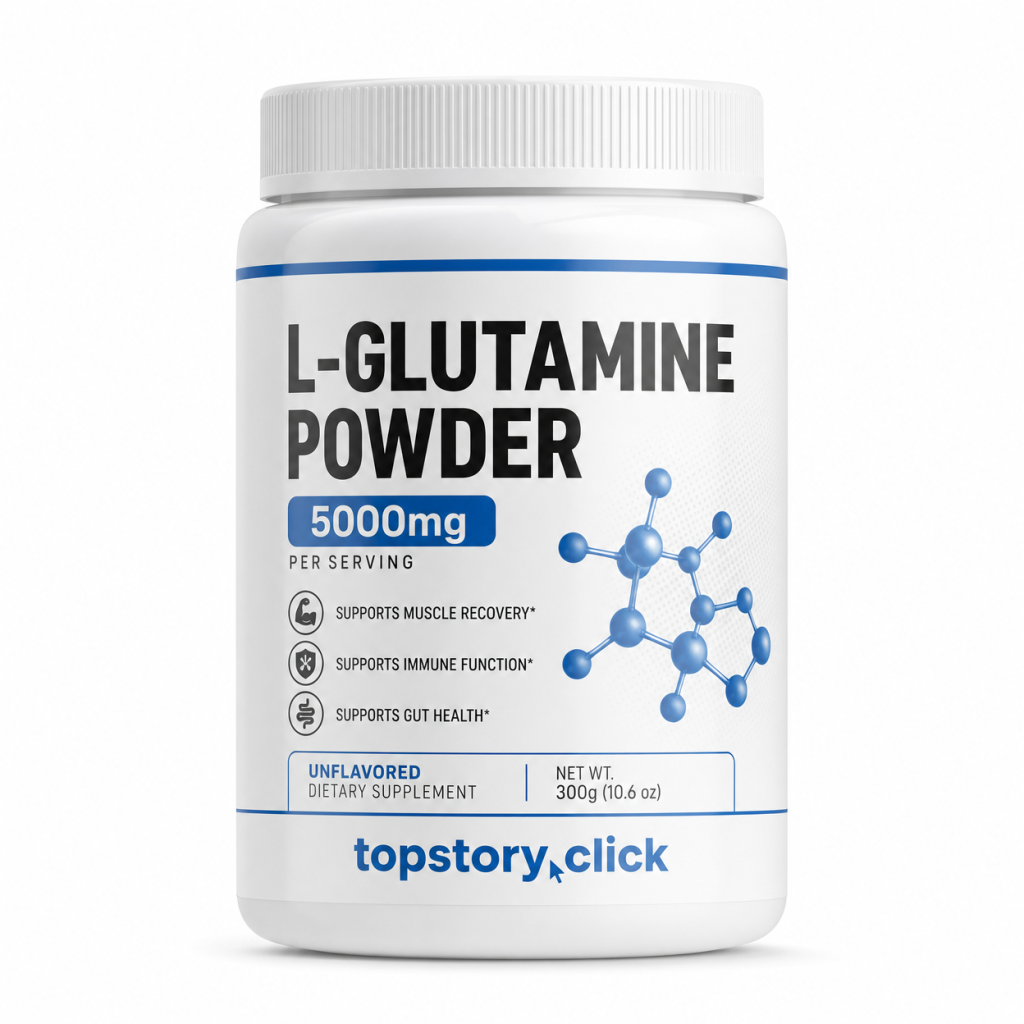
Introduction L-Glutamine is often described as a “support nutrient,” but that undersells its biological importance. It is the most abundant amino acid in the bloodstream and skeletal muscle, and it functions as a central hub in gut integrity, immune metabolism, acid–base balance, and cellular energy production. Unlike many amino acids that serve primarily as building […]
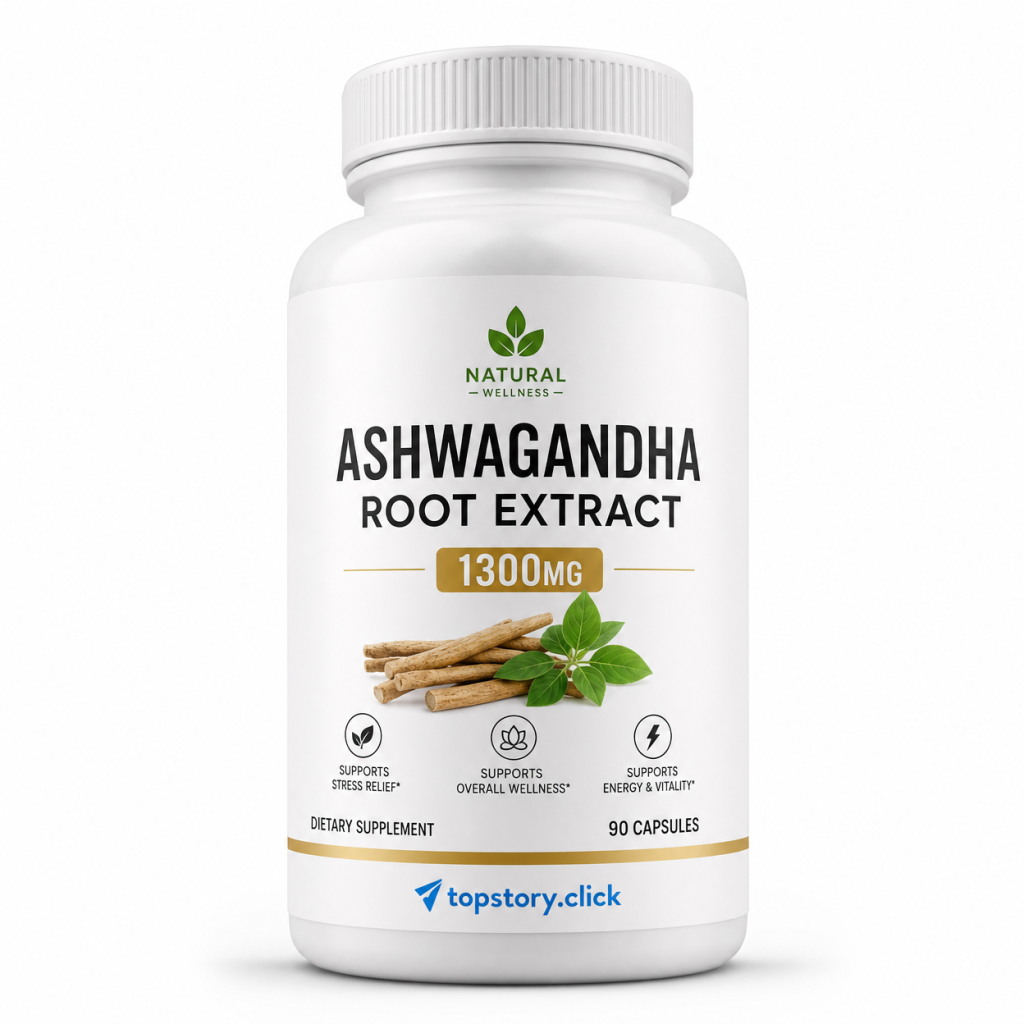
Introduction Ashwagandha (Withania somnifera) is one of the most important herbs in Ayurvedic medicine, used continuously for more than 3,000 years as a foundational tonic for vitality, endurance, and stress resistance. It is traditionally classified as a “Rasayana” herb — a category of botanicals believed to restore balance, improve longevity, and strengthen overall physiological resilience. […]
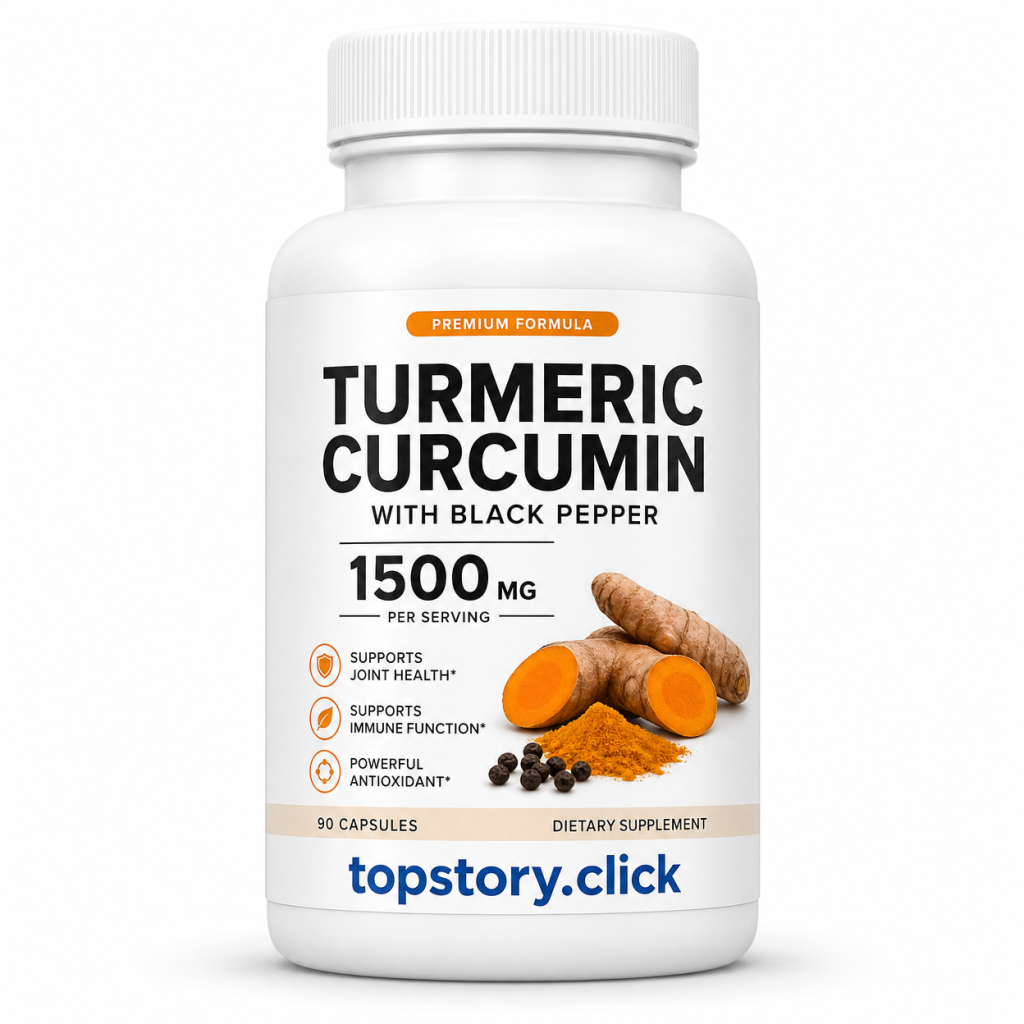
Introduction Turmeric has been a cornerstone of Ayurvedic and traditional Chinese medicine for more than 4,000 years, valued not only as a culinary spice but also as a therapeutic agent for a wide range of inflammatory and degenerative conditions. The bright golden color of turmeric comes from a group of polyphenolic compounds known as curcuminoids, […]
Introduction Few dietary supplements have experienced as rapid a rise in global popularity as elderberry, particularly in the context of increasing awareness of immune system health and seasonal respiratory infections. Elderberry-based products have transitioned from traditional herbal remedies into widely used modern nutraceuticals, especially when combined with zinc and Vitamin C — two of the […]
Introduction The liver is one of the most metabolically active and biologically essential organs in the human body. It is responsible for more than 500 known functions, including detoxification of endogenous waste products, metabolism of drugs and xenobiotics, bile production, regulation of blood glucose, cholesterol synthesis, and hormone breakdown. Despite its central role in maintaining […]
Introduction Garlic (Allium sativum) is one of the most extensively researched medicinal foods in both traditional and modern medicine. For more than 5,000 years, it has been used across ancient Egyptian, Greek, Roman, Chinese, and Indian healing systems as a remedy for cardiovascular weakness, infections, digestive disorders, and general fatigue. What was once empirical traditional […]