Post
Boost Your Immunity: The Power of Vitamin C Explained
Jun
Boost Your Immunity: The Power of Vitamin C Explained
In our constant quest for optimal health, especially in an era where immune resilience is paramount, one nutrient consistently shines brighter than the rest: Vitamin C. Often heralded as the “defender of health,” this potent antioxidant plays a critical and multifaceted role in supporting our immune system and overall well-being. But what exactly makes Vitamin C so powerful, and how can you effectively harness its benefits?
This comprehensive guide will delve deep into the science behind Vitamin C, unraveling its intricate mechanisms, exploring its extensive health benefits, and providing practical advice on how to integrate it optimally into your daily routine. From understanding its fundamental role in cellular function to navigating the vast array of supplements, prepare to empower yourself with knowledge and boost your immunity like never before.
What is Vitamin C (Ascorbic Acid) and How Does It Work?
Vitamin C, also known as L-ascorbic acid, is an essential water-soluble vitamin. Unlike most animals, humans cannot synthesize Vitamin C internally, meaning we must obtain it through our diet. This makes it a truly essential nutrient, critical for various bodily functions.
Its primary claim to fame lies in its powerful antioxidant properties. Antioxidants are crucial compounds that combat free radicals – unstable molecules that can cause oxidative stress, damaging cells and contributing to chronic diseases, including weakening the immune system. Vitamin C neutralizes these free radicals, protecting cells from damage and keeping them healthy to perform their vital roles.
Beyond its antioxidant prowess, Vitamin C is a vital cofactor in numerous enzymatic reactions. It’s indispensable for the biosynthesis of collagen, a principal protein found in connective tissues, skin, bones, and blood vessels. A strong collagen network acts as a robust physical barrier against pathogens. Furthermore, it plays a key role in the synthesis of neurotransmitters and carnitine, which is essential for energy metabolism. Its water-soluble nature means that excess amounts are typically excreted through urine, making toxicity rare but also requiring consistent daily intake to maintain optimal levels.
The Science Behind Vitamin C and Robust Immune Function
The link between Vitamin C and immune health is not merely anecdotal; it’s backed by decades of scientific research demonstrating its profound impact on various components of the immune system. Its influence spans both innate (first-line defense) and adaptive (targeted response) immunity.
Enhancing Phagocyte Function
- Neutrophils and Macrophages: These are types of white blood cells known as phagocytes, which engulf and destroy foreign invaders like bacteria and viruses. Vitamin C accumulates in these cells, enhancing their ability to migrate to infection sites, engulf pathogens, and produce reactive oxygen species that kill microorganisms. It also protects these immune cells from self-inflicted oxidative damage during this intense activity.
Supporting Lymphocyte Proliferation
- T-cells and B-cells: These lymphocytes are crucial for adaptive immunity, responsible for recognizing and remembering specific pathogens. Vitamin C supports the differentiation and proliferation of T-lymphocytes, which are vital for cell-mediated immunity, and B-lymphocytes, which produce antibodies. Adequate Vitamin C ensures these cells can multiply effectively to mount a strong defense against pathogens.
Strengthening Epithelial Barriers
- Skin and Mucous Membranes: As mentioned, Vitamin C is essential for collagen synthesis. Collagen is a key structural component of your skin and mucous membranes (found in the respiratory, gastrointestinal, and genitourinary tracts). These barriers are your body’s first line of defense against pathogens. A strong, intact barrier, maintained by sufficient Vitamin C, prevents microbes from entering the body in the first place.
Modulating Inflammatory Responses
- While inflammation is a natural part of the immune response, chronic or excessive inflammation can be detrimental. Vitamin C has immunomodulatory properties, helping to regulate and reduce pro-inflammatory cytokines, thus preventing excessive immune responses that can harm healthy tissues. It helps balance the immune system, ensuring it reacts effectively without overreacting.
Immense Benefits of Vitamin C for Your Health
While its role in immunity is stellar, Vitamin C offers a treasure trove of benefits that extend across various bodily systems, contributing significantly to overall health and longevity.
Powerful Antioxidant Protection
Beyond immune cells, Vitamin C protects all body cells from oxidative damage caused by free radicals, which are generated by normal metabolic processes and environmental stressors like pollution, smoke, and UV radiation. This protection is fundamental in preventing premature aging and reducing the risk of numerous chronic diseases.
Enhances Iron Absorption
Vitamin C significantly improves the absorption of non-heme iron (the form found in plant-based foods), making it particularly beneficial for vegetarians, vegans, and individuals at risk of iron deficiency anemia. Consuming Vitamin C-rich foods with iron-rich meals can dramatically boost iron uptake.
Promotes Collagen Synthesis for Skin Health
As a vital component in collagen production, Vitamin C is crucial for maintaining healthy, firm, and youthful skin. It helps in wound healing, reduces the appearance of wrinkles, and supports skin elasticity. Many skincare products include Vitamin C for its anti-aging and brightening properties.
Supports Cardiovascular Health
By protecting arteries from oxidative damage and contributing to collagen synthesis for blood vessel integrity, Vitamin C may play a role in maintaining healthy blood pressure levels and reducing the risk of heart disease.
May Reduce the Severity and Duration of Colds
While Vitamin C might not prevent you from getting a cold, numerous studies suggest that regular intake can reduce the severity and shorten the duration of common cold symptoms. This is particularly true for individuals under extreme physical stress, such as athletes.
Aids in Eye Health
Vitamin C is concentrated in the lenses of the eyes. Its antioxidant properties help protect the eyes from oxidative damage, which is a contributing factor to cataracts and age-related macular degeneration (AMD).
Supports Gum Health
A severe Vitamin C deficiency can lead to scurvy, a disease characterized by bleeding gums and loose teeth. Adequate Vitamin C intake ensures healthy gums and prevents periodontal disease.
Recommended Daily Intake and Dosage Considerations
Understanding the optimal intake of Vitamin C is crucial for reaping its benefits without overdoing it. The recommended dietary allowance (RDA) varies by age, sex, and specific circumstances.
General Adult RDA
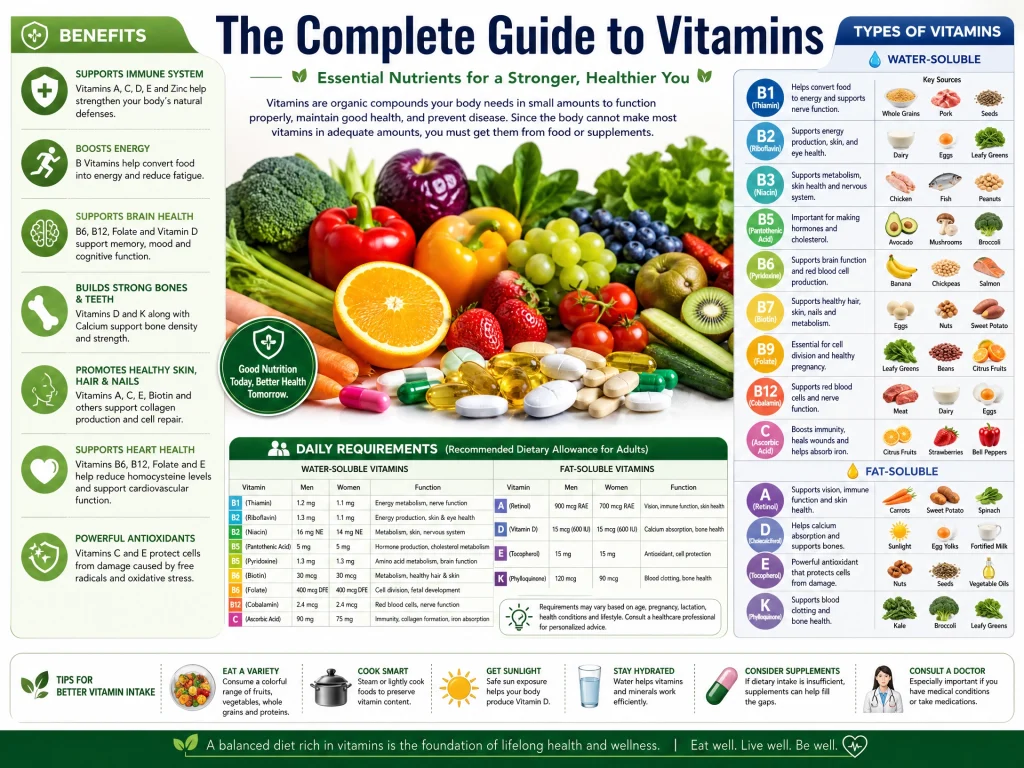
For adult men, the RDA is typically 90 mg per day, and for adult women, it’s 75 mg per day. These amounts are generally sufficient to prevent deficiency diseases like scurvy.
Increased Needs
Certain populations require higher amounts of Vitamin C:
- Smokers: Require an additional 35 mg per day due to increased oxidative stress caused by nicotine and other chemicals in cigarettes.
- Pregnant and Lactating Women: Needs increase to 85 mg and 120 mg per day, respectively, to support both maternal and fetal/infant health.
- Individuals under Stress: Physical or emotional stress, illness, and recovery from surgery can also increase Vitamin C requirements.
Upper Limit (UL)
The tolerable upper intake level (UL) for adults is 2,000 mg per day. While Vitamin C is water-soluble and excess is typically excreted, exceeding this limit can lead to gastrointestinal distress, such as diarrhea, nausea, and abdominal cramps. For most healthy individuals, dosages within the RDA to a few hundred milligrams above are generally considered safe and beneficial.
Therapeutic Doses
In specific situations, such as managing severe infections or certain medical conditions, healthcare professionals might recommend higher, therapeutic doses of Vitamin C, sometimes administered intravenously. These should always be under medical supervision.
Optimizing Absorption
To optimize absorption from supplements, it’s often recommended to divide doses throughout the day, as the body can only absorb a limited amount at one time. Consuming Vitamin C with food can also enhance absorption and reduce potential stomach upset.
Navigating the Market: Your Vitamin C Buying Guide
The supplement aisle can be overwhelming. Knowing what to look for can help you choose a high-quality Vitamin C product that suits your needs.
Types of Vitamin C Supplements
Ascorbic Acid
This is the most common and least expensive form. It’s highly effective, but some people with sensitive stomachs may experience digestive upset due to its acidity.
Buffered Vitamin C (Mineral Ascorbates)
These forms are bound to minerals like calcium (calcium ascorbate), sodium (sodium ascorbate), or magnesium (magnesium ascorbate). They are less acidic and gentler on the stomach, making them suitable for individuals prone to gastrointestinal issues.
Liposomal Vitamin C
In this form, Vitamin C is encapsulated in tiny fat-like particles called liposomes. This delivery system is thought to enhance absorption and bioavailability, allowing more Vitamin C to reach your cells, potentially with fewer digestive side effects.
Vitamin C with Bioflavonoids
Some supplements combine Vitamin C with bioflavonoids, which are plant pigments often found alongside Vitamin C in nature. While some research suggests bioflavonoids might enhance Vitamin C absorption and efficacy, the evidence is not conclusive, and standard ascorbic acid is highly effective on its own.
Forms of Supplements
Tablets/Capsules
The most common and convenient form, available in various dosages.
Powders
Offer flexibility in dosage and can be easily mixed into drinks. Often more cost-effective per serving.
Gummies
A tasty option, especially for those who dislike swallowing pills, but often contain added sugars and lower doses.
Liquid
Good for those with difficulty swallowing or who prefer precise dosing.
Key Factors for Choosing a Quality Supplement
Third-Party Testing
Look for seals from organizations like NSF International, USP (U.S. Pharmacopeia), or ConsumerLab. These certifications indicate that the product has been independently tested for purity, potency, and absence of contaminants.
Purity and Ingredients
Choose products with minimal fillers, artificial colors, flavors, or preservatives. If you have allergies, check for common allergens like gluten, soy, or dairy.
Dosage
Select a dosage that aligns with your individual needs and your healthcare provider’s recommendations. For general immune support, doses between 250-1000 mg daily are common.
Brand Reputation
Opt for reputable brands known for quality and transparency in their manufacturing processes.
Practical Tips for Maximizing Your Vitamin C Intake
Integrating more Vitamin C into your diet and lifestyle doesn’t have to be complicated. Small, consistent efforts can make a big difference.
Embrace Vitamin C-Rich Foods
The best way to get your Vitamin C is through a diverse diet rich in fruits and vegetables. Aim to include these regularly:
- Citrus Fruits: Oranges, grapefruits, lemons, limes.
- Berries: Strawberries, blueberries, raspberries, cranberries.
- Tropical Fruits: Kiwi, mango, pineapple, papaya.
- Bell Peppers: Especially red and yellow varieties, which contain more Vitamin C than oranges.
- Cruciferous Vegetables: Broccoli, Brussels sprouts, cauliflower.
- Leafy Greens: Kale, spinach (though Vitamin C content is lower than other sources).
- Tomatoes: Both fresh and cooked tomatoes are good sources.
- Potatoes: A surprisingly good source, especially if eaten with the skin.
Smart Cooking Methods
Vitamin C is heat-sensitive and water-soluble. To preserve its content:
- Eat Raw: Whenever possible, consume fruits and vegetables raw (e.g., in salads, smoothies, or as snacks).
- Steam or Lightly Sauté: If cooking, opt for steaming, quick stir-frying, or microwaving over boiling, which can leach out the vitamin.
- Minimize Cooking Time: Cook vegetables only until tender-crisp.
Strategic Supplementation
- Consider Your Diet: If your diet consistently lacks Vitamin C-rich foods, or if you have increased needs (e.g., smoker, under stress), a supplement can bridge the gap.
- Divide Doses: To maintain steady levels and optimize absorption, consider splitting your daily supplement dose into two smaller doses (e.g., morning and evening).
- Take with Food: Taking Vitamin C supplements with a meal can improve absorption and reduce the likelihood of stomach discomfort.
Lifestyle Habits
- Avoid Smoking: Smoking significantly depletes Vitamin C levels in the body. Quitting smoking is one of the most effective ways to preserve your Vitamin C stores.
- Manage Stress: Chronic stress can also deplete Vitamin C. Incorporate stress-reduction techniques like meditation, yoga, or spending time in nature.
Frequently Asked Questions (FAQ) About Vitamin C
Can I take too much Vitamin C? What are the side effects?
While Vitamin C is water-soluble and generally considered safe, taking extremely high doses (above the tolerable upper limit of 2,000 mg/day for adults) can lead to side effects. These most commonly include gastrointestinal discomfort such as diarrhea, nausea, abdominal cramps, and heartburn. In rare cases, very high doses may increase the risk of kidney stones in susceptible individuals, though this is not a concern for the majority.
Does Vitamin C cure the common cold?
No, Vitamin C does not cure the common cold. However, numerous studies suggest that regular supplementation (e.g., 200 mg/day or more) can significantly reduce the duration and severity of cold symptoms, especially in individuals undergoing extreme physical stress (like marathon runners). For the general population, the effect on preventing colds is modest, but it helps the immune system function optimally.
What’s the best time of day to take Vitamin C?
There’s no universally “best” time, but taking Vitamin C with food can help improve absorption and minimize potential stomach upset. Many people prefer to take it in the morning or split their daily dose into two, once in the morning and once in the evening, to maintain more consistent levels throughout the day.
Are there different forms of Vitamin C, and which is best?
Yes, there are several forms, including ascorbic acid (most common), buffered mineral ascorbates (e.g., calcium ascorbate, sodium ascorbate, magnesium ascorbate), and liposomal Vitamin C. Ascorbic acid is effective and widely available. Buffered forms are gentler on sensitive stomachs. Liposomal Vitamin C is marketed for enhanced absorption. The “best” form depends on individual tolerance and preferences; for most people, standard ascorbic acid is perfectly adequate.
Can I get enough Vitamin C from food alone?
Yes, it’s entirely possible to meet your daily Vitamin C needs through a balanced diet rich in fruits and vegetables. For example, a single orange contains about 70 mg, and a cup of chopped red bell pepper has over 190 mg. However, if your dietary intake of these foods is inconsistent, or if you have increased physiological needs, supplementation can be a beneficial addition.
Conclusion
Vitamin C is far more than just a remedy for the common cold; it is a foundational pillar of human health, indispensable for a robust immune system and overall vitality. Its prowess as an antioxidant, its critical role in collagen synthesis, and its multifaceted support for immune cell function make it a nutrient we simply cannot afford to overlook.
By understanding how Vitamin C works, integrating more Vitamin C-rich foods into your diet, and considering high-quality supplementation when needed, you empower your body with one of nature’s most potent defenders. Prioritize your Vitamin C intake today, and take a significant step towards boosting your immunity, fortifying your health, and embracing a more resilient you.
