Post
Vitamin D Deficiency: Are You Getting Enough Sunlight?
Jun
Vitamin D Deficiency: Are You Getting Enough Sunlight?
Often dubbed the “sunshine vitamin,” Vitamin D plays a far more critical and complex role in human health than its simple name suggests. It’s not just a vitamin; it’s a potent secosteroid hormone that influences nearly every system in your body. Despite its profound importance, Vitamin D deficiency has become a silent epidemic across the globe, affecting an estimated one billion people worldwide. From chronic fatigue and bone pain to compromised immunity and mood disorders, the subtle yet pervasive symptoms of low Vitamin D can significantly diminish quality of life, often going undiagnosed.
While diet and supplementation can contribute, the sun remains our primary, most natural, and most efficient source of Vitamin D. Our skin is a remarkable factory, capable of producing significant amounts of this vital nutrient when exposed to ultraviolet B (UVB) rays. Yet, modern lifestyles, concerns about skin cancer, and geographic limitations often conspire to keep us indoors and out of the sun, inadvertently leading to widespread deficiency.
This comprehensive article delves deep into the world of Vitamin D. We’ll explore the widespread impact of its deficiency, demystify the science behind sun-induced Vitamin D production, and uncover the myriad health benefits of maintaining optimal levels. We’ll also provide a practical guide to smart sun exposure, highlight essential dietary sources, and offer advice on effective supplementation, all aimed at empowering you to ensure your body receives the Vitamin D it so desperately needs for robust health and well-being. Are you getting enough sunlight to fuel your health? Let’s find out.
The Silent Epidemic: Understanding Vitamin D Deficiency
Vitamin D deficiency is a public health crisis that often goes unnoticed due to its insidious onset and non-specific symptoms. Unlike acute illnesses, the signs of low Vitamin D can be subtle, mimicking other conditions or simply being dismissed as everyday aches and pains, making diagnosis challenging without targeted testing.
At its core, Vitamin D is essential for calcium absorption, making it a cornerstone of bone health. Without sufficient Vitamin D, your body cannot effectively absorb calcium from your diet, leading to a cascade of problems. However, its role extends far beyond bones. Receptors for Vitamin D have been found in almost every cell type in the human body, indicating its widespread influence on various physiological processes.
What Does Vitamin D Do For Your Body?
- Bone Health: Vitamin D regulates calcium and phosphate levels in the body, which are vital for bone mineralization, growth, and remodeling. Deficiency can lead to rickets in children and osteomalacia (softening of bones) and osteoporosis (brittle bones) in adults.
- Immune Function: It plays a crucial role in modulating the immune system, helping the body fight off infections and potentially reducing the risk of autoimmune diseases.
- Mood Regulation: Research suggests a link between Vitamin D levels and mood, with deficiency often associated with an increased risk of depression, seasonal affective disorder (SAD), and general fatigue.
- Muscle Function: It contributes to muscle strength and function, potentially reducing the risk of falls in older adults.
- Cardiovascular Health: Emerging research points to a role for Vitamin D in maintaining heart health and regulating blood pressure.
- Cell Growth and Differentiation: It influences cell growth, which has implications for various health conditions, including some cancers.
Common (and Often Missed) Symptoms of Deficiency
Because the symptoms are often mild and non-specific, many people live with Vitamin D deficiency for years without knowing it. Common signs include:
- Chronic Fatigue and Tiredness: One of the most common complaints, often dismissed as stress or lack of sleep.
- Bone and Back Pain: Aching bones, especially in the lower back, legs, and joints, due to Vitamin D’s role in bone health.
- Muscle Weakness, Aches, or Cramps: Muscle pain, even without strenuous activity, and generalized weakness.
- Frequent Illness or Infection: A weakened immune system can lead to more frequent colds, flu, and other infections.
- Impaired Wound Healing: Vitamin D plays a role in controlling inflammation and fighting infection, both crucial for healing.
- Hair Loss: While often linked to stress, severe Vitamin D deficiency can be a contributing factor to hair loss.
- Depression or Mood Changes: A notable link between low Vitamin D and an increased risk of mood disorders.
If you experience any of these persistent symptoms, particularly in combination, it’s advisable to consult a healthcare professional for a blood test to check your Vitamin D levels.
Sunlight: Nature’s Primary Source of Vitamin D
For millennia, humans have naturally synthesized Vitamin D through exposure to sunlight. Our bodies are incredibly efficient at this process, making the sun our most significant and biologically active source of this crucial nutrient. Understanding how sunlight produces Vitamin D and the factors that influence this process is key to leveraging this natural resource effectively and safely.
How Your Skin Produces Vitamin D
When your skin is exposed to ultraviolet B (UVB) radiation from the sun, a cholesterol-like molecule in your skin, 7-dehydrocholesterol, absorbs the UVB energy. This energy converts it into pre-vitamin D3. Within hours, pre-vitamin D3 then converts into Vitamin D3 (cholecalciferol) through a heat-dependent process. This Vitamin D3 is then transported to the liver, where it’s converted into 25-hydroxyvitamin D [25(OH)D], the form measured in blood tests to determine your Vitamin D status. Finally, the kidneys convert 25(OH)D into its active hormonal form, 1,25-dihydroxyvitamin D [1,25(OH)2D], which is the biologically active form of Vitamin D.
Factors Affecting Sun-Induced Vitamin D Production
The amount of Vitamin D your skin can produce from sunlight is not constant and varies based on several factors:
- Time of Day: The sun’s rays are strongest and contain the most UVB radiation between 10 AM and 3 PM. Early morning or late afternoon sun has lower UVB intensity, making it less effective for Vitamin D synthesis.
- Season: In many parts of the world, especially those above 35 degrees latitude (e.g., Boston, Rome), UVB rays are not strong enough during the winter months for significant Vitamin D production. During these times, people must rely on stored Vitamin D, diet, or supplements.
- Latitude: The further you are from the equator, the less direct the sun’s rays, and the lower the UVB intensity.
- Skin Pigmentation: Melanin, the pigment that gives skin its color, acts as a natural sunscreen. People with darker skin tones (higher melanin content) require significantly more sun exposure than those with lighter skin to produce the same amount of Vitamin D.
- Amount of Skin Exposed: Exposing a larger surface area of skin (e.g., arms and legs rather than just face and hands) increases Vitamin D synthesis.
- Age: As we age, the skin’s ability to produce Vitamin D decreases. Older adults may produce only a quarter as much Vitamin D as younger adults from the same amount of sun exposure.
- Cloud Cover and Pollution: Clouds and air pollution can block UVB rays, reducing Vitamin D synthesis.
- Sunscreen: Sunscreen with an SPF of 15 can reduce Vitamin D production by 99%. While crucial for preventing skin cancer, it significantly impacts Vitamin D synthesis.
- Glass: Glass blocks UVB rays, so you cannot produce Vitamin D by sitting indoors next to a window.
Understanding these variables allows for a more strategic approach to sun exposure, maximizing Vitamin D production while minimizing the risks associated with excessive UV radiation.
Beyond the Sun: Dietary Sources of Vitamin D
While sunlight is undoubtedly the most potent natural source of Vitamin D, relying solely on sun exposure can be challenging due to the factors mentioned above. This is where diet and fortified foods play a critical role in complementing our Vitamin D intake, especially in regions with limited year-round sun or for individuals with higher risk factors for deficiency.
Foods Naturally Rich in Vitamin D
Unfortunately, relatively few foods naturally contain significant amounts of Vitamin D. The best natural sources are:
- Fatty Fish: This is by far the best natural dietary source. Examples include:
- Salmon (especially wild-caught)
- Mackerel
- Tuna (canned in water, light)
- Sardines
- Cod Liver Oil: This is exceptionally high in Vitamin D and also provides Vitamin A and omega-3 fatty acids, but should be consumed cautiously due to high Vitamin A content.
- Mushrooms: Some mushrooms, particularly those grown under UV light or wild mushrooms, can produce Vitamin D2. The amount varies greatly.
- Egg Yolks: A small amount of Vitamin D is found in egg yolks, but you’d need to consume many to meet your daily requirements.
- Beef Liver: Contains a small amount of Vitamin D.
It’s important to note that the Vitamin D in animal products is primarily Vitamin D3 (cholecalciferol), which is the same type produced by human skin and is generally considered more effective than Vitamin D2 (ergocalciferol) found in some plants and fungi.
Fortified Foods
Because so few foods naturally contain Vitamin D, many staple foods are fortified with it to help the general population meet their nutritional needs. These often include:
- Milk (Cow’s Milk, Soy Milk, Almond Milk, Oat Milk): Most dairy and non-dairy milk alternatives are fortified with Vitamin D. Always check the label.
- Breakfast Cereals: Many ready-to-eat breakfast cereals are fortified.
- Orange Juice: Some brands fortify their orange juice with Vitamin D.
- Yogurt: Some yogurt products are fortified.
- Margarine: Often fortified with Vitamin D.
While fortified foods can contribute to your daily intake, relying solely on them may not be enough to overcome a significant deficiency or maintain optimal levels, especially if your sun exposure is limited. A combination of smart sun exposure, a diet rich in natural and fortified sources, and potentially supplementation forms the most robust strategy for maintaining healthy Vitamin D levels.
The Far-Reaching Benefits of Optimal Vitamin D Levels
Maintaining optimal levels of Vitamin D is not just about avoiding deficiency symptoms; it’s about unlocking a cascade of profound health benefits that extend across virtually every system in the body. Beyond its well-known role in bone health, Vitamin D is increasingly recognized for its crucial contributions to immunity, mood, chronic disease prevention, and overall vitality.
Bone Health and Calcium Absorption: The Foundation
This is the most established and understood role of Vitamin D. It acts as a key regulator of calcium and phosphate homeostasis, ensuring that your body has enough of these minerals for strong bones and teeth. Vitamin D enables the intestines to absorb calcium from the diet, and it works with parathyroid hormone to maintain blood calcium and phosphate levels within a narrow range. Without adequate Vitamin D, calcium absorption plummets, forcing the body to draw calcium from the bones, leading to:
- Rickets in Children: A condition where bones soften and weaken, leading to skeletal deformities.
- Osteomalacia in Adults: Characterized by severe bone pain, muscle weakness, and soft bones, increasing fracture risk.
- Osteoporosis: A silent disease where bones become porous and brittle, significantly increasing the risk of fractures, especially in older adults. Optimal Vitamin D levels are crucial for preventing and managing osteoporosis.
Immune System Modulation: A Powerful Defense
Vitamin D receptors are found on various immune cells, including T cells and B cells, which are critical components of the adaptive immune system. This suggests a significant role for Vitamin D in modulating immune responses. Studies have shown that adequate Vitamin D levels can:
- Reduce the Risk of Infections: By enhancing the body’s natural defenses, Vitamin D can help ward off respiratory infections, including colds and the flu. It helps produce antimicrobial peptides that directly kill pathogens.
- Mitigate Autoimmune Diseases: Research indicates a potential link between Vitamin D deficiency and an increased risk of autoimmune conditions like multiple sclerosis, rheumatoid arthritis, and type 1 diabetes. Vitamin D helps to balance the immune response, preventing it from overreacting and attacking the body’s own tissues.
- Support Anti-Inflammatory Responses: It has anti-inflammatory properties, which can be beneficial in managing chronic inflammatory conditions.
Mood Regulation and Mental Well-being: The Sunshine for Your Brain
The brain also contains Vitamin D receptors, particularly in areas associated with depression. This connection has led to extensive research into Vitamin D’s role in mental health:
- Reduced Risk of Depression: Studies have linked low Vitamin D levels to an increased risk of depression, and supplementation has shown promise in improving mood in some individuals, particularly those with existing deficiency.
- Alleviation of Seasonal Affective Disorder (SAD): As SAD is often triggered by reduced sunlight exposure during winter months, Vitamin D, the “sunshine vitamin,” is a natural area of focus for its potential to improve symptoms.
- Improved Cognitive Function: Emerging research suggests Vitamin D may play a role in cognitive function and could be protective against age-related cognitive decline.
Other Potential Benefits: A Broader Spectrum of Health
Beyond these primary roles, Vitamin D is being investigated for its potential impact on a wide array of other health conditions:
- Cardiovascular Health: Some studies suggest optimal Vitamin D levels may reduce the risk of hypertension, heart disease, and stroke.
- Diabetes Management: There’s evidence that Vitamin D may improve insulin sensitivity and glucose metabolism, potentially reducing the risk of type 2 diabetes and assisting in its management.
- Cancer Prevention: While research is ongoing and not conclusive, some studies suggest that adequate Vitamin D levels may be associated with a lower risk of certain cancers, including colon, breast, and prostate cancer.
- Muscle Strength: Optimal Vitamin D contributes to muscle function and strength, which is particularly important for preventing falls in older adults.
The expanding body of research continually reinforces the profound and diverse benefits of maintaining healthy Vitamin D levels. It’s clear that this vitamin is not just a nutrient; it’s a vital component of holistic health and disease prevention.
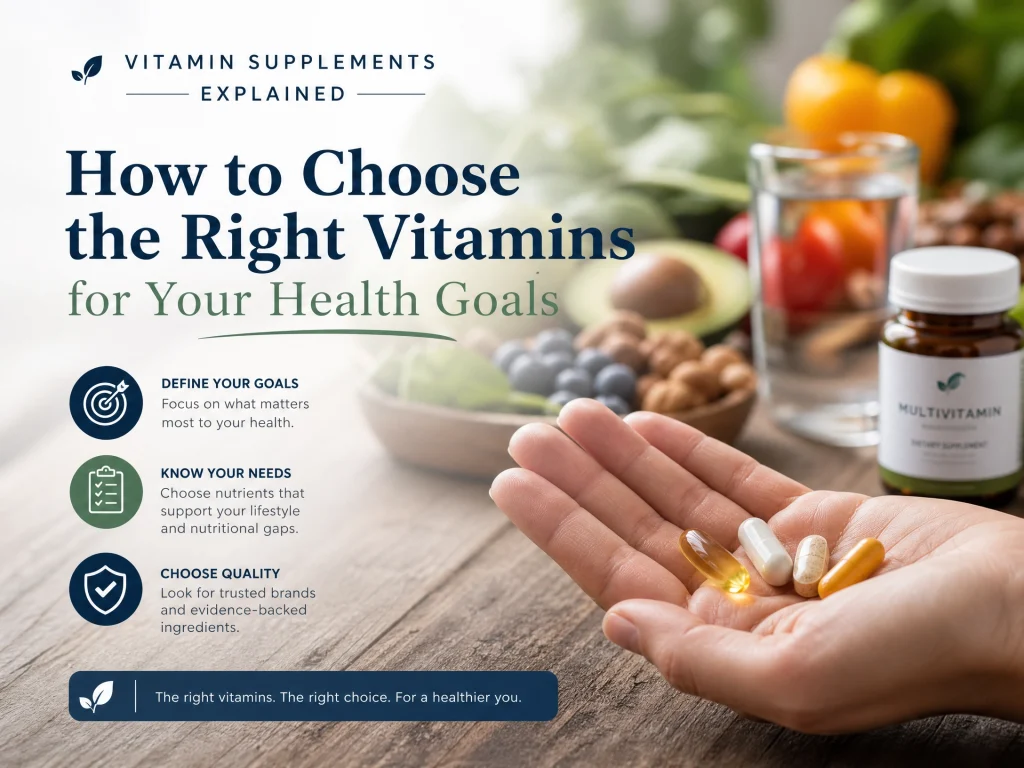
Navigating Supplementation: A Buying Guide for Vitamin D
For many, particularly those living in higher latitudes, with darker skin, or limited sun exposure, dietary sources alone may not be enough to achieve and maintain optimal Vitamin D levels. In such cases, supplementation becomes a necessary and effective strategy. However, the supplement market can be overwhelming. This buying guide aims to simplify the process, helping you make informed choices.
When to Consider a Vitamin D Supplement
- Limited Sun Exposure: If you spend most of your time indoors, live in a northern latitude during winter, or consistently use sunscreen.
- Darker Skin Tone: Higher melanin levels in the skin reduce Vitamin D synthesis from sunlight.
- Older Adults: The skin’s ability to synthesize Vitamin D diminishes with age.
- Certain Medical Conditions: Conditions like Crohn’s disease, celiac disease, cystic fibrosis, or kidney/liver disease can impair Vitamin D absorption or metabolism.
- Obesity: Vitamin D can be sequestered in fat cells, leading to lower circulating levels.
- Confirmed Deficiency: If a blood test reveals low Vitamin D levels.
Types of Vitamin D: D2 vs. D3
Vitamin D supplements come in two main forms:
- Vitamin D2 (Ergocalciferol): Derived from plant sources and yeast. It is often found in fortified foods and some prescription supplements.
- Vitamin D3 (Cholecalciferol): Derived from animal sources (like lanolin from sheep’s wool) or lichen (a vegan source). This is the same form your body produces from sunlight.
Recommendation: Research overwhelmingly suggests that Vitamin D3 is more effective at raising and maintaining Vitamin D levels in the blood than Vitamin D2. Therefore, when choosing a supplement, opt for Vitamin D3 whenever possible. Vegan D3 supplements are now widely available, derived from lichen.
Dosage: How Much Do You Need?
There’s no one-size-fits-all dosage for Vitamin D, as individual needs vary greatly based on existing levels, sun exposure, and other factors. However, general guidelines exist:
- Daily Recommended Intake (DRI): For adults, this is typically 600-800 International Units (IU) per day, according to various health organizations. However, many experts believe this is too low for optimal health.
- Therapeutic Doses: For individuals with a diagnosed deficiency, healthcare providers may recommend much higher doses (e.g., 2,000-5,000 IU/day, or even higher short-term loading doses) to restore levels.
- Upper Limit: The tolerable upper intake level (UL) for adults is 4,000 IU/day, but some studies suggest that doses up to 10,000 IU/day may be safe for extended periods, especially under medical supervision.
Crucial Advice: Always consult your doctor before starting any Vitamin D supplement, especially if considering high doses. They can measure your current Vitamin D levels (25-hydroxyvitamin D) and recommend an appropriate dosage to achieve and maintain optimal levels (generally considered to be 30-60 ng/mL or 75-150 nmol/L).
Forms of Supplements
Vitamin D supplements are available in various forms:
- Pills/Capsules: The most common form, often small and easy to swallow.
- Softgels: Often contain Vitamin D dissolved in oil (since Vitamin D is fat-soluble, this can enhance absorption).
- Liquid Drops: Ideal for infants, children, or adults who have difficulty swallowing pills. They allow for flexible dosing.
- Sprays: Another convenient option for those who prefer not to swallow pills.
Quality and Third-Party Testing
The supplement industry is not as tightly regulated as pharmaceuticals. To ensure you’re getting a safe and effective product:
- Look for Certifications: Choose brands that undergo third-party testing by organizations like NSF International, USP (United States Pharmacopeia), or ConsumerLab. These certifications ensure the product contains what it claims, is free from contaminants, and meets quality standards.
- Check Ingredients: Ensure there are no unnecessary fillers, artificial colors, or allergens if you have sensitivities.
- Reputable Brands: Stick to well-known and reputable brands with a history of quality control.
- Consider Vitamin K2: Some Vitamin D3 supplements are combined with Vitamin K2. Vitamin D helps with calcium absorption, and Vitamin K2 helps direct that calcium to the bones and away from soft tissues (like arteries), which is beneficial for heart health and bone density. Discuss this combination with your doctor.
By following these guidelines, you can confidently choose a Vitamin D supplement that effectively supports your health goals.
Practical Tips for Optimizing Your Vitamin D Levels
Achieving and maintaining optimal Vitamin D levels requires a multi-faceted approach, integrating smart lifestyle choices with informed dietary and supplementation strategies. Here are practical tips to help you ensure your body gets the Vitamin D it needs.
Smart Sun Exposure: Harnessing Nature Safely
The goal is to maximize Vitamin D production while minimizing the risk of skin damage and cancer. This means moderation and awareness:
- Timing is Key: Aim for exposure during peak UVB hours, typically between 10 AM and 3 PM, when the sun’s rays are strongest. However, be mindful of the UV index in your location; when it’s very high, shorter exposure times are crucial.
- Duration: The recommended duration varies greatly by skin type, location, and time of year. For fair-skinned individuals, 10-15 minutes of direct sun exposure (without sunscreen) on arms, legs, and face, two to three times a week, might be sufficient. Those with darker skin tones may need significantly longer (up to 30-60 minutes). The goal is just enough sun to get a slight pinkness, not a sunburn.
- Skin Area Exposed: Maximize exposed skin area (e.g., short sleeves and shorts) to increase synthesis.
- Know Your Latitude and Season: If you live at a higher latitude, understand that winter months offer little to no Vitamin D production from the sun.
- Protect When Prolonged: After your short, deliberate sun exposure for Vitamin D synthesis, apply broad-spectrum sunscreen, wear protective clothing, or seek shade if you plan to stay outdoors longer. Never get a sunburn.
- No Sun Through Glass: UVB rays are blocked by glass, so sitting by a window will not help your Vitamin D levels.
Dietary Enhancements: Eating for Vitamin D
Integrate Vitamin D-rich foods into your regular diet:
- Prioritize Fatty Fish: Make salmon, mackerel, tuna, or sardines a regular part of your meal plan (2-3 times per week).
- Consider Cod Liver Oil: A powerful source, but use it judiciously due to high Vitamin A content.
- Embrace Fortified Foods: Choose milk (dairy or plant-based), cereals, orange juice, and yogurts that are fortified with Vitamin D. Always check the nutrition labels.
- Mushrooms: Look for mushrooms specifically labeled as “UV-treated” or “high in Vitamin D,” or expose some edible mushrooms to sunlight for 15-30 minutes before cooking to boost their D2 content.
Regular Testing: Know Your Numbers
The only accurate way to know your Vitamin D status is through a blood test. This is particularly important if you suspect a deficiency, have risk factors, or are considering supplementation.
- Consult Your Doctor: Ask your healthcare provider to check your 25-hydroxyvitamin D [25(OH)D] level.
- Interpret Results: Optimal levels are generally considered to be 30-60 ng/mL (75-150 nmol/L). Below 20 ng/mL is considered deficient, and 21-29 ng/mL is insufficient.
- Regular Monitoring: If you are supplementing or have a history of deficiency, re-test every 3-6 months initially, then annually, to ensure levels remain within the optimal range.
Supplementing Wisely: Filling the Gaps
When sun and diet aren’t enough, supplements can be a lifesaver.
- Doctor Consultation: Always discuss supplementation with your doctor to determine the appropriate type (D3 is preferred) and dosage based on your blood test results and individual needs.
- Consistent Intake: If supplementing, take your Vitamin D regularly as prescribed or recommended. Vitamin D is fat-soluble, so taking it with a meal containing some fat can enhance absorption.
- Consider Co-factors: Your doctor might also recommend magnesium and Vitamin K2, which work synergistically with Vitamin D for optimal bone health and calcium metabolism.
By implementing these practical tips, you can take proactive steps to optimize your Vitamin D levels, supporting your overall health and well-being year-round.
Frequently Asked Questions About Vitamin D
Is it possible to get too much Vitamin D from the sun?
No, it is not possible to get toxic levels of Vitamin D from sun exposure. Your body has a self-regulating mechanism that prevents overproduction. Once enough Vitamin D has been synthesized, the pre-vitamin D3 or Vitamin D3 in the skin converts into inactive forms that are then excreted, effectively preventing toxicity.
How much sun exposure is enough for Vitamin D?
The amount varies significantly based on several factors: skin type (darker skin needs more), time of day (10 AM – 3 PM is most effective), season and latitude (less effective in winter or far from the equator), and amount of skin exposed. As a general guideline, fair-skinned individuals might get enough Vitamin D from 10-15 minutes of midday sun exposure on their arms and legs a few times a week, without sunscreen. Darker-skinned individuals may need 30 minutes to an hour or more. The goal is just enough sun for a slight pinkness, never a sunburn.
Can I get Vitamin D through a window?
No. Glass effectively blocks UVB rays, which are the specific wavelengths of ultraviolet light needed for Vitamin D synthesis in the skin. So, while you might enjoy the warmth and light of the sun through a window, you won’t be producing any Vitamin D.
What are the signs of Vitamin D toxicity?
Vitamin D toxicity, also known as hypervitaminosis D, is rare and almost always results from excessive supplementation, not sun exposure. Symptoms can include nausea, vomiting, poor appetite, constipation, weakness, and weight loss. In more severe cases, it can lead to kidney damage and heart rhythm problems due to high calcium levels in the blood (hypercalcemia). This is why it’s crucial to consult a doctor before taking high doses of supplements and to have your levels monitored.
Who is at higher risk of Vitamin D deficiency?
Several groups are at higher risk:
- Older adults (skin’s ability to synthesize Vitamin D decreases with age).
- People with darker skin tones (melanin acts as a natural sunscreen).
- Individuals with limited sun exposure (indoor workers, those living in northern latitudes, people who cover up for religious or cultural reasons).
- People with certain medical conditions (e.g., Crohn’s disease, celiac disease, cystic fibrosis, kidney or liver disease, which impair absorption or metabolism).
- Obese individuals (Vitamin D can be trapped in fat cells).
- Infants who are exclusively breastfed (breast milk may not provide enough Vitamin D unless the mother is also supplementing).
Are Vitamin D2 and D3 equally effective?
While both forms can raise Vitamin D levels, most research indicates that Vitamin D3 (cholecalciferol) is more effective at raising and sustaining blood levels of 25-hydroxyvitamin D, the storage form of Vitamin D, than Vitamin D2 (ergocalciferol). Therefore, Vitamin D3 is generally recommended for supplementation.
Should I take Vitamin D with food?
Yes, Vitamin D is a fat-soluble vitamin. Taking your Vitamin D supplement with a meal that contains some fat (e.g., avocado, nuts, olive oil, fatty fish) can significantly enhance its absorption into your bloodstream.
Conclusion
Vitamin D, the remarkable “sunshine vitamin,” is undeniably a powerhouse nutrient crucial for myriad bodily functions, extending far beyond its celebrated role in bone health. From fortifying our immune defenses and uplifting our mood to potentially guarding against chronic diseases, optimal Vitamin D levels are a cornerstone of comprehensive well-being. The pervasive silent epidemic of Vitamin D deficiency underscores the urgent need for greater awareness and proactive strategies.
While nature offers its most generous supply through sunlight, modern lifestyles and geographical realities often make consistent, sufficient sun exposure a challenge. This highlights the indispensable roles of dietary sources and, for many, strategic supplementation. Understanding the nuances of safe sun exposure, incorporating Vitamin D-rich and fortified foods into your diet, and wisely choosing supplements when necessary, all contribute to a holistic approach to maintaining healthy levels.
Ultimately, taking charge of your Vitamin D status begins with knowing your numbers through a simple blood test and consulting with a healthcare professional. They can provide personalized advice tailored to your specific needs, helping you navigate the journey toward optimal health. By embracing a balanced strategy that respects the power of the sun, the benefits of nutrition, and the judicious use of supplements, you can ensure your body receives this vital nutrient, paving the way for a healthier, more vibrant life. Don’t let Vitamin D deficiency cast a shadow over your health; empower yourself with knowledge and action.
