Post
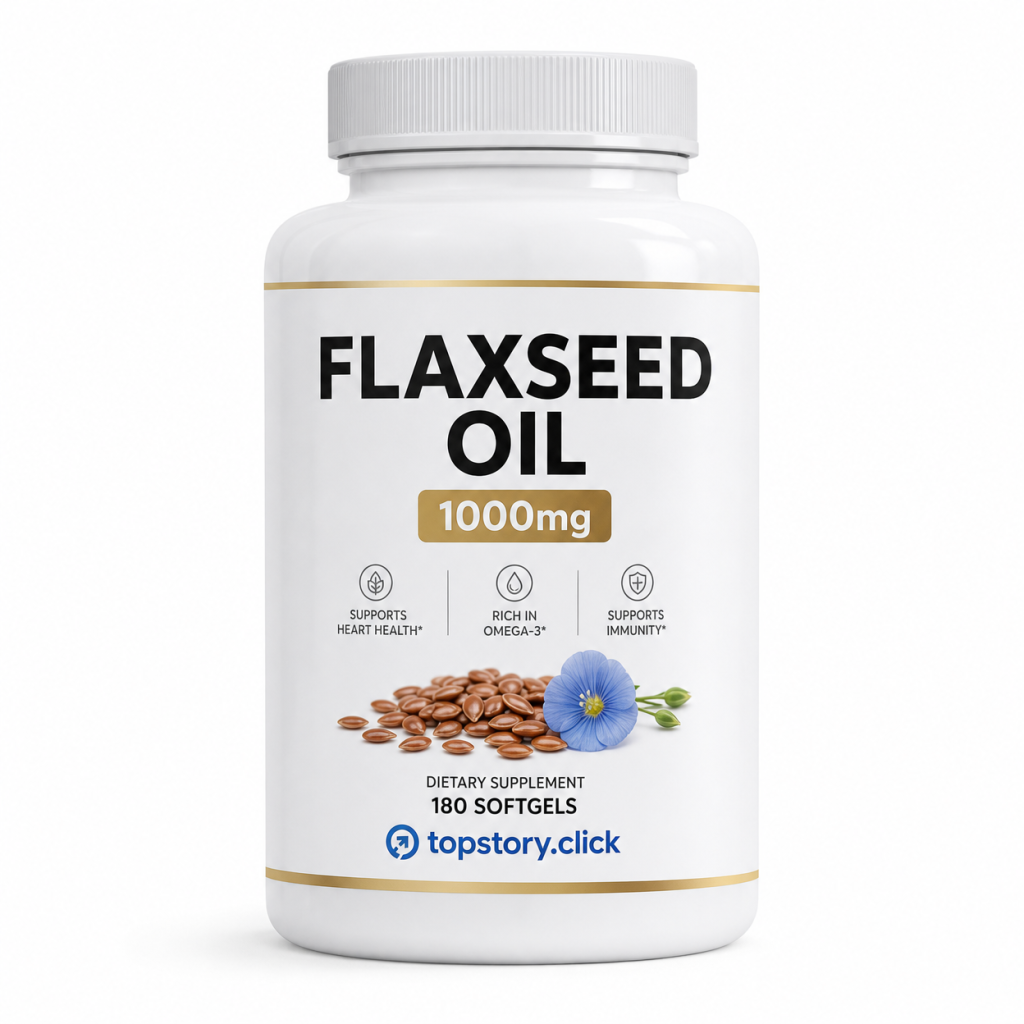
Flaxseed Oil 1000mg: Plant-Based Omega-3 and Hormonal Balance
May
Introduction
Flaxseed oil, cold-pressed from the seeds of the flax plant (Linum usitatissimum), is one of the most important plant-based nutritional oils in modern supplementation. It is widely recognized as the richest natural source of alpha-linolenic acid (ALA), an essential omega-3 fatty acid that serves as a metabolic precursor to EPA (eicosapentaenoic acid) and DHA (docosahexaenoic acid).
At a dosage of 1000mg per softgel, flaxseed oil provides a concentrated and convenient source of ALA, making it particularly valuable for individuals following vegan or vegetarian diets, or those seeking a plant-derived alternative to marine omega-3s such as fish or krill oil.
Beyond its role as an omega-3 source, flaxseed oil also contains a unique lipid profile and is often associated with lignan-rich flax preparations, which contribute additional hormonal and metabolic benefits not found in marine oils.
The Biochemical Composition of Flaxseed Oil
Flaxseed oil is distinguished by its exceptionally high concentration of alpha-linolenic acid, typically accounting for 50–60% of total fatty acids. A 1000mg softgel therefore provides approximately 500–600mg of ALA.
In addition to ALA, flaxseed oil contains:
- Linoleic acid (omega-6): ~15–20%
- Oleic acid (omega-9): ~15–20%
- Saturated fats: small residual amounts
This combination produces a lipid profile that is distinct from marine omega-3 oils, which are rich in EPA and DHA but contain virtually no ALA.
ALA itself is an essential fatty acid, meaning it cannot be synthesized by the human body and must be obtained through diet. However, its biological role is primarily as a precursor molecule rather than a direct structural component of tissues.
Conversion of ALA to EPA and DHA: A Key Limitation
One of the most important considerations when evaluating flaxseed oil is the limited efficiency of ALA conversion into EPA and DHA.
Within the human body, ALA undergoes a series of enzymatic conversions involving desaturation and elongation steps. However, this metabolic pathway is highly inefficient:
- Conversion to EPA: approximately 0.2–8%
- Conversion to DHA: typically less than 0.5%
This means that flaxseed oil cannot reliably replace fish or krill oil in clinical contexts where EPA and DHA are directly required, such as high triglycerides, depression, or neurodevelopmental support.
Despite this limitation, ALA is not biologically inert. It has independent anti-inflammatory and cardioprotective properties and plays a meaningful role in overall fatty acid balance.
Cardiovascular Health and Lipid Modulation
Flaxseed oil has been extensively studied for its cardiovascular benefits, particularly in relation to heart disease risk reduction.
ALA intake has been associated with:
- Reduced risk of fatal coronary heart disease
- Lower levels of systemic inflammation (CRP reduction)
- Improved endothelial function
- Modest reductions in blood pressure
- Decreased platelet aggregation
The cardiovascular benefits of ALA are thought to arise from multiple mechanisms. These include incorporation into cell membranes, modulation of inflammatory eicosanoid pathways, and partial competition with omega-6 fatty acids (particularly arachidonic acid), which tend to promote pro-inflammatory signaling.
Large prospective cohort studies have consistently demonstrated inverse relationships between ALA intake and cardiovascular mortality, even after adjusting for other dietary factors.
Anti-Inflammatory Mechanisms and Fatty Acid Balance
Modern diets are typically characterized by a high omega-6 to omega-3 ratio, often exceeding 10:1. This imbalance promotes the production of pro-inflammatory eicosanoids derived from arachidonic acid.
ALA from flaxseed oil contributes to restoring a more balanced fatty acid ratio by:
- Competing for the same desaturase and elongase enzymes used in omega-6 metabolism
- Reducing substrate availability for pro-inflammatory mediators
- Supporting the formation of less inflammatory lipid derivatives
Although ALA is less potent than EPA and DHA in direct anti-inflammatory signaling, its long-term dietary impact is still meaningful, particularly in populations with low omega-3 intake.
Hormonal Modulation and the Role of Lignans
While flaxseed oil itself contains limited lignans, whole flaxseed and partially defatted flaxseed products are among the richest dietary sources of lignans, particularly secoisolariciresinol diglucoside (SDG).
Once ingested, SDG is metabolized by gut microbiota into enterolactone and enterodiol — bioactive compounds classified as phytoestrogens. These compounds weakly interact with estrogen receptors and exert a modulatory effect on hormonal balance.
Potential hormonal benefits include:
- Reduction in menopausal hot flashes
- Modulation of estrogen metabolism
- Potential reduction in breast and prostate cancer risk markers
- Support for hormonal balance during perimenopause
Although flaxseed oil alone does not provide significant lignan content, formulations that combine flaxseed oil with ground flaxseed may offer a more complete hormonal support profile.
Skin, Hair, and Structural Health
Flaxseed oil contributes to skin and hair health primarily through its essential fatty acid content. ALA plays a structural role in maintaining the lipid barrier of the skin, which is essential for hydration, elasticity, and protection against environmental damage.
Clinical observations and small trials suggest that flaxseed oil supplementation may:
- Improve skin hydration and reduce dryness
- Decrease skin roughness and scaling
- Reduce sensitivity and irritation
- Improve overall skin texture
In hair health, essential fatty acids support follicle integrity and sebum production, which can contribute to improved shine, reduced brittleness, and enhanced hair strength over time.
Digestive and Gastrointestinal Effects
Flaxseed oil has mild lubricating properties within the gastrointestinal tract. This can support smoother bowel movements and help alleviate mild constipation.
Unlike flaxseed fiber, which adds bulk to stool, flaxseed oil primarily works by improving stool lubrication and intestinal motility. This makes it useful for individuals with slow transit or low dietary fat intake.
However, its effects are generally mild and should not be considered a primary treatment for gastrointestinal disorders.
Metabolic Health and Blood Sugar Regulation
Emerging evidence suggests that ALA may contribute to improved insulin sensitivity and glucose regulation. While the effects are less pronounced than those seen with EPA and DHA, flaxseed oil may still offer modest benefits in:
- Fasting blood glucose reduction
- Improved insulin response
- Lower postprandial glucose variability
These effects are likely mediated through anti-inflammatory pathways and improved membrane lipid composition in insulin-sensitive tissues.
Who Benefits Most from Flaxseed Oil?
Flaxseed oil is particularly well-suited for:
- Vegans and vegetarians avoiding marine omega-3s
- Individuals with fish or shellfish allergies
- People seeking plant-based cardiovascular support
- Those interested in mild hormonal modulation
- Individuals looking to improve skin and hair health naturally
It is often used as part of a broader nutritional strategy rather than a direct replacement for EPA/DHA-based omega-3 supplementation.
Storage and Stability Considerations
One of the most important limitations of flaxseed oil is its high susceptibility to oxidation. Due to its high polyunsaturated fat content, it can degrade rapidly when exposed to heat, light, or oxygen.
Oxidized flaxseed oil may lose nutritional value and potentially generate harmful lipid peroxides.
Best practices include:
- Refrigeration after opening
- Protection from light and heat
- Use within expiration date
- Preference for opaque, airtight packaging
Softgel encapsulation significantly improves stability, but proper storage remains essential for maintaining quality.
Safety and Tolerability
Flaxseed oil is generally very safe and well tolerated. Side effects are uncommon but may include mild gastrointestinal discomfort in sensitive individuals.
Unlike fish oil, flaxseed oil does not carry risks related to marine contaminants such as mercury or PCBs, making it an attractive option for long-term plant-based supplementation.
However, excessive intake may contribute to mild blood-thinning effects, so caution is advised for individuals on anticoagulant therapy.
Conclusion
Flaxseed Oil 1000mg is a valuable plant-derived source of omega-3 ALA that provides meaningful cardiovascular, metabolic, skin, and hormonal benefits. While it cannot fully replace EPA and DHA from marine sources due to limited metabolic conversion, it offers unique advantages — particularly for vegan nutrition, fatty acid balance, and mild endocrine modulation.
When integrated into a comprehensive dietary and supplementation strategy, flaxseed oil serves as an important component of plant-based nutritional support, contributing to long-term cardiovascular resilience, skin health, and overall metabolic balance.
