Post
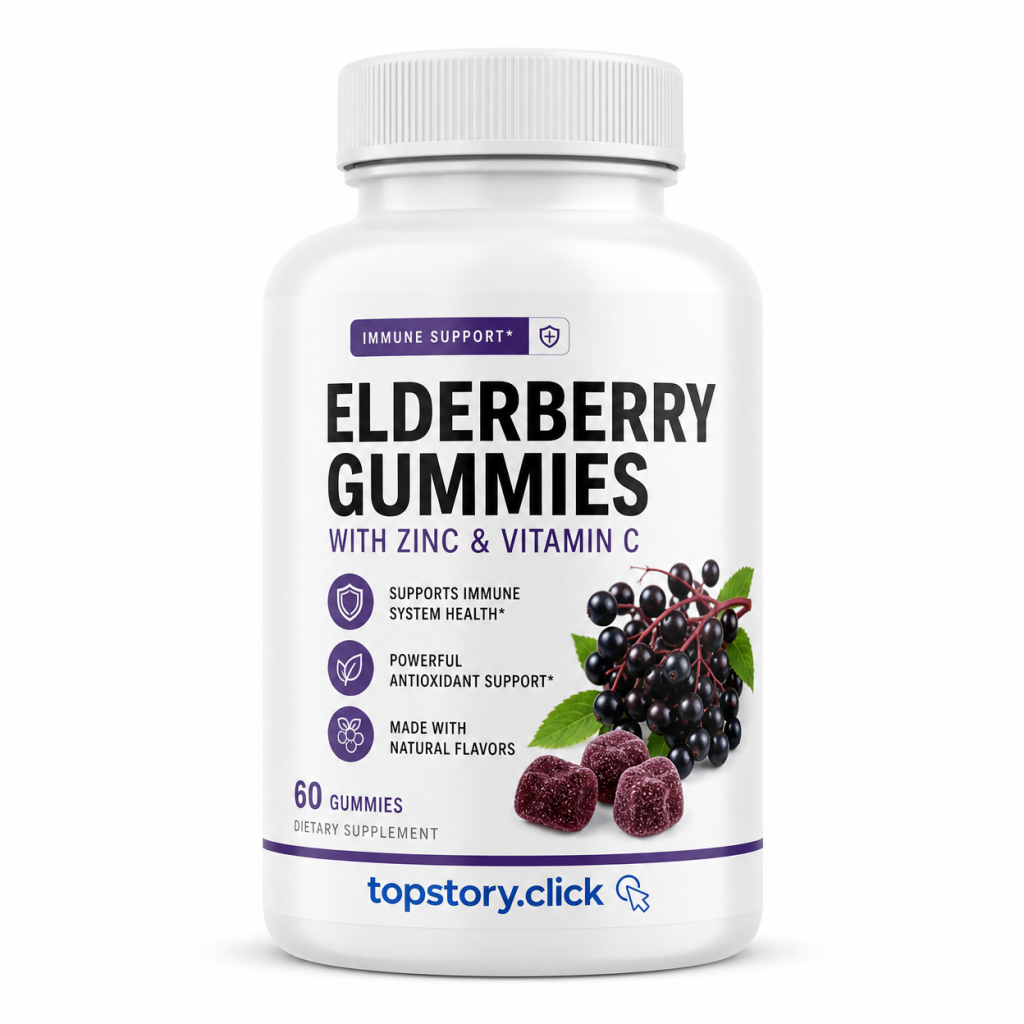
Elderberry Gummies with Zinc & Vitamin C: Delicious Triple-Action Immune Support
May
Introduction
Few dietary supplements have experienced as rapid a rise in global popularity as elderberry, particularly in the context of increasing awareness of immune system health and seasonal respiratory infections. Elderberry-based products have transitioned from traditional herbal remedies into widely used modern nutraceuticals, especially when combined with zinc and Vitamin C — two of the most extensively studied micronutrients for immune support.
In gummy form, this combination becomes not only clinically relevant but also highly practical. Gummies improve adherence, especially among children and individuals who have difficulty swallowing tablets or capsules, making consistent immune support easier to maintain during high-risk periods such as winter seasons, travel, or periods of stress and fatigue.
The Power of Elderberry (Sambucus nigra)
The European black elderberry (Sambucus nigra) has a long-standing history in traditional medicine across Europe and parts of North America. Historically, both the berries and flowers were used in syrups, teas, and tinctures to treat coughs, colds, and influenza-like illnesses.
Modern phytochemical analysis reveals that elderberries are particularly rich in anthocyanins — a class of flavonoid pigments responsible for their deep purple-black coloration. These compounds are not merely antioxidants; they exhibit biologically active effects on immune signaling pathways, viral replication, and inflammatory modulation.
Anthocyanins influence immune response through several mechanisms:
- Inhibition of viral entry into host cells
- Modulation of cytokine production
- Enhancement of immune cell signaling
- Reduction of oxidative stress during infection
One of the most studied antiviral mechanisms involves the ability of elderberry compounds to bind to hemagglutinin proteins on the surface of influenza viruses. Hemagglutinin is essential for viral attachment to host respiratory epithelial cells. By interfering with this binding process, elderberry extract can reduce viral infectivity at an early stage of infection.
Additionally, elderberry stimulates the production of cytokines such as IL-6, IL-8, and TNF-α in a controlled manner. While cytokines are often associated with inflammation, in the context of early infection they are essential for initiating a rapid and effective innate immune response.
Clinical Evidence for Elderberry
Elderberry is one of the few herbal remedies with multiple randomized controlled trials supporting its use for upper respiratory tract infections.
In a double-blind, placebo-controlled study involving air travelers, participants who took elderberry extract prior to and during travel experienced significantly reduced incidence, duration, and severity of cold symptoms compared to placebo. This is particularly notable given the high exposure risk associated with air travel.
A separate meta-analysis evaluating elderberry supplementation across multiple clinical trials found consistent reductions in both symptom duration and severity in patients with viral respiratory infections.
One of the most frequently cited clinical trials in influenza patients showed that elderberry extract reduced recovery time by approximately four days compared to placebo. This magnitude of effect is clinically meaningful and comparable in some cases to prescription antiviral therapies, though elderberry is not a replacement for medical treatment in severe infections.
Importantly, the strongest effects are observed when elderberry is taken early in the infection cycle, highlighting its role in modulating viral replication and early immune activation rather than acting as a late-stage treatment.
Zinc: A Critical Immune Mineral
Zinc is an essential trace element involved in more than 300 enzymatic reactions and is absolutely critical for the development and function of the immune system.
It supports both innate and adaptive immunity by influencing:
- T-lymphocyte maturation and activation
- B-cell antibody production
- Natural killer (NK) cell cytotoxicity
- Macrophage and neutrophil function
Beyond immune cell development, zinc also has direct antiviral effects. It has been shown to inhibit the replication of rhinoviruses and other respiratory viruses by interfering with RNA-dependent RNA polymerase activity — a key enzyme required for viral replication.
Clinically, zinc supplementation has been shown to reduce the duration of common cold symptoms by approximately one-third when administered within the first 24 hours of symptom onset. This time-dependent effect highlights zinc’s role in early viral suppression rather than long-term immune modulation alone.
In elderberry gummy formulations, zinc complements elderberry’s immune signaling effects by providing direct antiviral inhibition and cellular immune support.
Vitamin C and Immune System Function
Vitamin C (ascorbic acid) is one of the most important water-soluble antioxidants in human physiology and plays multiple roles in immune defense.
It contributes to immune function through:
- Enhancement of neutrophil chemotaxis and phagocytosis
- Support of lymphocyte proliferation and differentiation
- Protection of immune cells from oxidative stress during pathogen attack
- Regulation of interferon production (key antiviral signaling molecules)
- Maintenance of epithelial barrier integrity
Vitamin C accumulates in high concentrations within immune cells, particularly neutrophils, where it supports microbial killing and regulates inflammatory resolution after infection.
Clinical studies consistently show that Vitamin C supplementation reduces the duration and severity of upper respiratory infections, particularly in individuals under physical stress such as athletes or those exposed to environmental or psychological stressors.
When combined with elderberry and zinc, Vitamin C enhances antioxidant protection and supports multiple layers of immune defense, including both innate and adaptive immunity.
Synergistic Mechanisms: Why the Combination Works
The combination of elderberry, zinc, and Vitamin C is not arbitrary — it reflects a multi-pathway immune strategy:
- Elderberry primarily modulates viral entry and cytokine signaling
- Zinc directly inhibits viral replication and supports immune cell function
- Vitamin C enhances immune cell efficiency and reduces oxidative stress
Together, they target different stages of the immune response:
- Early viral attachment and entry (elderberry)
- Viral replication inside host cells (zinc)
- Immune system activation and oxidative defense (Vitamin C)
This layered approach creates a broader and more robust immune response than any single nutrient alone.
Why Gummies Improve Compliance
Supplement adherence is a major challenge in preventive health strategies. Gummy formulations address this by improving taste, convenience, and consistency of use.
For children, gummies eliminate the barrier of swallowing capsules. For adults, they reduce supplement fatigue and improve long-term compliance during cold and flu seasons.
Most high-quality elderberry gummies use pectin (derived from fruit) instead of gelatin, making them suitable for vegetarian or vegan diets. However, sugar content should be considered, especially in formulations designed for children or daily long-term use.
Prevention vs. Treatment Strategy
Elderberry, zinc, and Vitamin C gummies can be used in two distinct ways:
Preventive Use
Daily supplementation during periods of increased exposure (winter, travel, school environments, workplace exposure) helps maintain immune readiness and supports baseline antioxidant and immune function.
Early-Intervention Use
At the first sign of symptoms — such as sore throat, fatigue, or nasal congestion — increasing intake early appears to yield the most significant reduction in symptom duration and severity. Timing is critical, as antiviral and immune-modulating effects are most effective during early viral replication.
Safety and Considerations
Elderberry extracts derived from properly processed ripe berries are considered safe and well tolerated. Raw or unripe elderberries contain cyanogenic glycosides, which can cause gastrointestinal symptoms; however, commercial supplements eliminate this risk through standardized extraction processes.
Zinc is generally safe within recommended daily limits, but prolonged high-dose supplementation (above 40mg per day) may interfere with copper absorption.
Vitamin C is well tolerated at typical supplemental doses, with gastrointestinal discomfort being the primary limiting factor at very high intakes.
Individuals with autoimmune conditions should consult healthcare professionals before using immune-stimulating supplements, as elderberry may increase cytokine activity in certain contexts.
Conclusion
Elderberry Gummies with Zinc and Vitamin C represent a scientifically grounded, multi-target immune support strategy that integrates three well-researched nutrients with complementary mechanisms of action.
Elderberry provides antiviral and immune signaling activity, zinc offers direct inhibition of viral replication and immune cell support, and Vitamin C enhances antioxidant protection and immune efficiency.
Together in a convenient gummy format, they provide a practical, evidence-informed approach to immune system support, particularly during periods of seasonal illness exposure. While not a substitute for medical treatment, this combination offers a meaningful and accessible tool for supporting the body’s natural defense systems in everyday life.
