Post
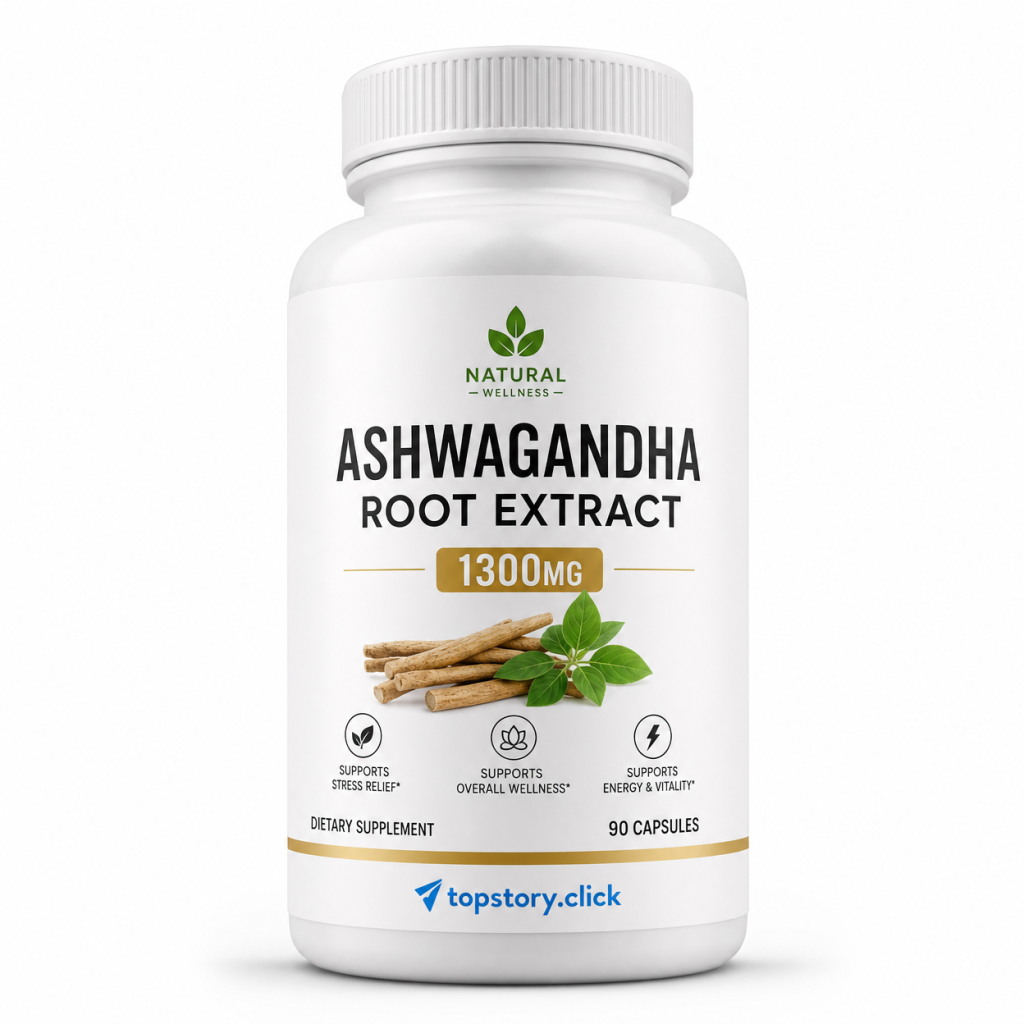
Ashwagandha Root Extract 1300mg: Ancient Adaptogen for Modern Stress
May
Introduction
Ashwagandha (Withania somnifera) is one of the most important herbs in Ayurvedic medicine, used continuously for more than 3,000 years as a foundational tonic for vitality, endurance, and stress resistance. It is traditionally classified as a “Rasayana” herb — a category of botanicals believed to restore balance, improve longevity, and strengthen overall physiological resilience.
In modern supplementation, ashwagandha has transitioned from traditional use into a well-studied clinical adaptogen, with standardized extracts and high-dose root formulations such as 1300mg root extract being widely used for stress reduction, hormonal optimization, cognitive support, and physical performance enhancement.
Unlike stimulants or sedatives, ashwagandha works by modulating stress physiology rather than overriding it, helping the body maintain stability under both mental and physical strain.
Botanical Profile and Active Compounds
Ashwagandha is a small shrub native to India, North Africa, and parts of the Middle East. The medicinal value is primarily concentrated in the root, which contains a complex group of bioactive compounds.
Key Active Constituents
- Withanolides (primary active compounds)
- Alkaloids
- Sitoindosides
- Glycowithanolides
Among these, withanolides are the most extensively studied, responsible for most of ashwagandha’s pharmacological activity.
These compounds are structurally similar to steroid hormones, which allows them to interact with endocrine and stress-response systems.
Adaptogenic Mechanism of Action
Ashwagandha is classified as an adaptogen, meaning it helps the body adapt to stress and restore physiological balance without causing dependency or hormonal suppression.
The HPA Axis and Stress Regulation
The primary mechanism involves modulation of the hypothalamic-pituitary-adrenal (HPA) axis, the central system governing stress response.
Under chronic stress:
- Cortisol remains elevated
- Sleep quality declines
- Immune function is suppressed
- Abdominal fat accumulation increases
- Cognitive performance declines
Ashwagandha helps normalize this system by regulating cortisol output.
Chronic stress ⇒ ↑Cortisol ⇒ HPA axis dysregulation\text{Chronic stress} \; \Rightarrow \; \uparrow \text{Cortisol} \; \Rightarrow \; \text{HPA axis dysregulation}
With regular supplementation, studies show a reduction in cortisol levels and improved stress resilience.
Stress and Anxiety Reduction
One of the most consistently demonstrated benefits of ashwagandha is its ability to reduce perceived stress and anxiety.
Clinical Findings
Randomized controlled trials show that ashwagandha supplementation can:
- Reduce perceived stress scores
- Lower serum cortisol levels
- Improve quality-of-life metrics
- Reduce anxiety symptoms in stressed individuals
Reported cortisol reductions typically range between 14% and 30%, depending on dosage and duration.
Neurochemical Effects
Ashwagandha influences multiple neurotransmitter systems:
- Enhances GABAergic activity (calming effect)
- Modulates serotonin signaling
- Reduces excitatory overactivation in stress circuits
This results in a calm, stable mental state without sedation.
Sleep Quality and Recovery
Ashwagandha improves sleep through both hormonal and neurological pathways.
Mechanisms
- Reduces cortisol at night
- Enhances parasympathetic nervous system activity
- Contains compounds that promote non-REM sleep
Clinical Effects
Studies show improvements in:
- Sleep onset latency (falling asleep faster)
- Total sleep duration
- Sleep efficiency
- Morning alertness
Unlike sedative sleep aids, ashwagandha supports natural sleep architecture, not forced sedation.
Testosterone and Hormonal Health
Ashwagandha is one of the most studied herbs for male endocrine function.
Testosterone Support
Clinical trials demonstrate increases in testosterone levels ranging from:
- ~14% to 40% in different populations
Mechanisms
- Reduction of cortisol (which suppresses testosterone)
- Increased luteinizing hormone (LH) signaling
- Direct support of testicular Leydig cell function
- Reduced oxidative stress in reproductive tissue
Fertility Benefits
Ashwagandha has been shown to improve:
- Sperm count
- Sperm motility
- Sperm morphology
- Seminal antioxidant status
These effects make it relevant for male reproductive health optimization.
Physical Performance and Muscle Strength
Ashwagandha has strong evidence supporting its role in strength and performance enhancement, especially when combined with resistance training.
Observed Benefits
Clinical trials show improvements in:
- Muscle strength (bench press and leg press)
- Muscle mass gain
- Exercise recovery
- Reduction in exercise-induced muscle damage markers
Mechanisms
- Lower cortisol → reduced muscle breakdown
- Improved recovery signaling
- Enhanced mitochondrial efficiency
- Reduced inflammation after exercise
Training adaptation=Muscle protein synthesis−Muscle breakdown\text{Training adaptation} = \text{Muscle protein synthesis} – \text{Muscle breakdown}
Ashwagandha shifts this balance toward improved net muscle gain.
Cognitive Function and Neuroprotection
Ashwagandha also demonstrates significant neurocognitive benefits.
Cognitive Effects
Studies show improvements in:
- Memory retention
- Reaction time
- Cognitive flexibility
- Information processing speed
Neuroprotective Mechanisms
- Antioxidant activity in brain tissue
- Reduction of neuroinflammation
- Promotion of neuronal regeneration (observed in animal models)
- Inhibition of acetylcholinesterase (supports acetylcholine levels)
This makes ashwagandha relevant not only for stress but also for long-term brain health.
Thyroid Function Support
Ashwagandha may influence thyroid hormone balance in individuals with subclinical dysfunction.
Observed Effects
- Increased T3 levels
- Increased T4 levels
- Improved thyroid hormone conversion efficiency
This is likely due to HPA axis normalization and direct endocrine modulation.
However, individuals on thyroid medication should monitor carefully, as effects may amplify thyroid activity.
Blood Sugar and Metabolic Health
Ashwagandha also demonstrates metabolic regulatory effects.
Effects on Glucose and Lipids
Clinical studies show:
- Lower fasting blood glucose
- Reduced HbA1c in some populations
- Decreased LDL cholesterol
- Reduced triglycerides
- Increased HDL cholesterol
Mechanisms
- Improved insulin sensitivity
- Reduced systemic inflammation
- Stress reduction (indirect metabolic benefit)
Chronic stress is strongly linked to insulin resistance, making ashwagandha indirectly beneficial for metabolic health.
Dosage and Formulation Considerations
1300mg Root Extract
This dosage reflects traditional whole-root usage, providing a broad spectrum of plant compounds, not just concentrated withanolides.
- Typical range: 1300mg once or twice daily
- Taken with meals for optimal absorption
- Provides balanced adaptogenic activity
Standardized Extracts
More concentrated extracts (e.g., KSM-66, Sensoril) use lower doses:
- 300–600mg per day due to higher withanolide concentration
Safety and Tolerability
Ashwagandha is generally well tolerated in clinical use.
Common Mild Effects
- Digestive discomfort (rare, usually dose-related)
- Mild drowsiness in some individuals
Important Considerations
Use caution in:
- Pregnancy (not recommended)
- Autoimmune conditions (immune modulation effects)
- Thyroid medication users (possible additive effects)
Overall toxicity risk is low when used at standard doses.
Who May Benefit Most
Ashwagandha 1300mg may be particularly useful for:
- Individuals experiencing chronic stress
- People with anxiety or elevated cortisol
- Those with poor sleep quality
- Men seeking hormonal or fertility support
- Athletes focused on strength and recovery
- Individuals with cognitive fatigue or mental burnout
Conclusion
Ashwagandha Root Extract 1300mg is one of the most extensively validated herbal adaptogens in modern science. It works through multi-system regulation — particularly the HPA axis — to reduce stress, stabilize cortisol, improve sleep quality, enhance hormonal balance, and support physical and cognitive performance.
Its value lies not in overstimulation or suppression, but in restoring physiological equilibrium, making it a foundational supplement for long-term resilience in both mental and physical health.
