Post
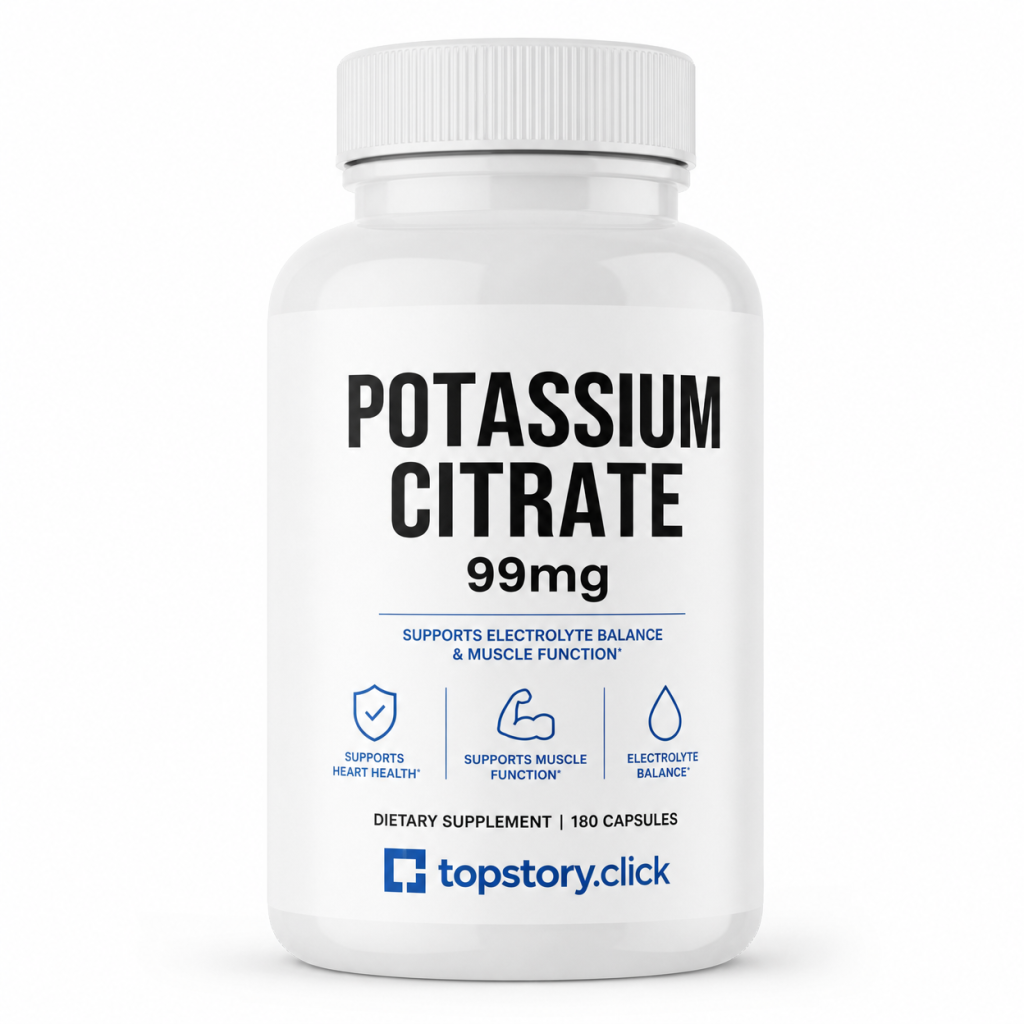
Potassium Citrate 99mg: Essential Electrolyte for Heart and Muscle Health
May
Introduction
Potassium Citrate is the primary intracellular electrolyte, meaning it is found predominantly inside cells rather than in blood plasma. It plays a central role in maintaining cellular function across virtually every tissue in the body. Without adequate potassium, normal nerve signaling, muscle contraction, and fluid balance cannot occur efficiently.
Key physiological roles of potassium include:
Regulation of fluid and electrolyte balance
Transmission of nerve impulses
Muscle contraction (including cardiac muscle)
Maintenance of normal blood pressure
Support of acid–base balance
Despite its importance, potassium intake in many modern diets is significantly below optimal levels. Average consumption in Western populations often falls far short of the recommended 2,600–3,400 mg per day, largely due to low intake of fruits, vegetables, and whole foods.
Potassium citrate 99mg is a supplemental form designed to provide potassium in a highly bioavailable and physiologically useful compound, while also contributing alkalinizing benefits through the citrate component.
Why Potassium Citrate Matters
Potassium can be bound to different compounds in supplements, including:
- Potassium chloride
- Potassium gluconate
- Potassium bicarbonate
- Potassium citrate
Among these, potassium citrate is particularly valuable because it provides two functional benefits:
1. Potassium Replacement
It directly contributes to potassium intake, supporting:
- Electrolyte balance
- Neuromuscular function
- Cardiovascular stability
2. Citrate’s Metabolic Role
Citrate acts as a mild alkalizing agent, helping buffer excess dietary acid load. This is especially relevant in modern diets high in:
- Processed foods
- Animal protein
- Low fruit and vegetable intake
By reducing net acid load, potassium citrate supports metabolic and renal health.
The Regulatory 99mg Limit Explained
In many countries, particularly the United States, over-the-counter potassium supplements are limited to approximately 99mg per serving.
This is not due to lack of benefit, but due to safety regulation.
Why the Limit Exists
High doses of potassium can lead to a condition called:
- Hyperkalemia (elevated blood potassium levels)
This condition can disrupt:
- Heart rhythm
- Muscle function
- Nervous system signaling
High-Risk Groups
People at increased risk include those with:
- Kidney disease
- Impaired potassium excretion
- Certain medications affecting potassium balance
Because potassium is so tightly regulated in the body, supplementation is intentionally kept low unless medically supervised.
Potassium’s Role in Cardiovascular Health
Potassium is one of the most important minerals for heart and vascular function.
Blood Pressure Regulation
Potassium works in direct opposition to sodium:
- Sodium → increases fluid retention and blood pressure
- Potassium → promotes sodium excretion and vasodilation
This balance is essential for maintaining healthy blood pressure.
Clinical Evidence
Higher potassium intake is associated with:
- Lower systolic and diastolic blood pressure
- Reduced risk of hypertension
- Improved vascular elasticity
Dietary approaches such as the DASH diet emphasize potassium-rich foods and consistently demonstrate strong blood pressure-lowering effects.
Heart Rhythm and Electrical Stability
The heart relies on precise electrical gradients to maintain rhythm.
Potassium is essential for:
- Resting membrane potential stability
- Electrical conduction in cardiac tissue
- Prevention of arrhythmias
Even small imbalances in potassium levels can significantly affect heart rhythm, highlighting its importance in cardiovascular stability.
Kidney Function and Stone Prevention
Potassium citrate is widely used in clinical settings for kidney stone prevention.
Mechanisms of Action
- Increases urinary citrate
- Citrate binds calcium, reducing crystal formation
- Alkalinizes urine
- Reduces formation of uric acid stones
- Inhibits calcium oxalate crystallization
- Reduces stone recurrence risk
- Especially in recurrent stone formers
This makes potassium citrate one of the most important nutritional tools for kidney stone prevention.
Muscle Function and Electrolyte Balance
Potassium works closely with sodium, calcium, and magnesium to regulate muscle activity.
Functions in Muscle Physiology
- Initiates muscle contraction
- Supports muscle relaxation cycles
- Maintains electrical excitability of muscle cells
Deficiency Effects
Low potassium (hypokalemia) may cause:
- Muscle weakness
- Fatigue
- Cramping
- Reduced physical performance
Athletes and physically active individuals often have higher potassium requirements due to sweat losses.
Bone Health and Acid-Base Balance
Potassium citrate may also support bone mineral health indirectly.
Mechanism
A chronically high dietary acid load can lead to:
- Increased bone mineral breakdown
- Calcium mobilization from bone stores
Potassium citrate helps neutralize acid load, which may:
- Reduce bone resorption
- Support bone mineral density
- Improve long-term skeletal health
This effect is especially relevant in low-vegetable, high-protein diets.
Glucose Metabolism and Insulin Sensitivity
Potassium also plays a subtle but important role in metabolic health.
Functions
- Supports insulin secretion from pancreatic cells
- Assists glucose uptake into tissues
- Helps regulate cellular metabolic signaling
Low potassium status has been associated with:
- Impaired insulin response
- Higher risk of metabolic dysfunction
- Increased risk of type 2 diabetes in some populations
While not a primary glucose regulator, potassium contributes to overall metabolic efficiency.
Dietary Gaps in Modern Nutrition
Potassium deficiency is common because:
- Processed foods contain very little potassium
- Fruits and vegetables are underconsumed
- Sodium intake is disproportionately high
Typical dietary imbalance:
- High sodium
- Low potassium
This imbalance contributes significantly to:
- Hypertension
- Fluid retention
- Cardiovascular risk
Who May Benefit from Potassium Citrate 99mg?
This supplement may be useful for:
- Individuals with low fruit and vegetable intake
- People on low-carb or ketogenic diets
- Those with mild blood pressure elevation
- Individuals prone to kidney stones
- Athletes with heavy sweating
- People using medications that increase potassium loss (under medical guidance)
Safety Considerations
Potassium is tightly regulated by the kidneys, and supplementation must be approached carefully.
High-Risk Groups
Supplementation should be medically supervised in individuals with:
- Chronic kidney disease
- Use of ACE inhibitors or ARBs
- Potassium-sparing diuretics
- History of hyperkalemia
Why Balance Matters
Both deficiency and excess potassium can affect:
- Heart rhythm
- Muscle function
- Nervous system stability
This makes potassium one of the most sensitive electrolytes in the body.
Dietary Priority vs Supplementation
While potassium supplements can help fill gaps, the primary source should always be food.
High-Potassium Foods
- Bananas
- Avocados
- Spinach and leafy greens
- Sweet potatoes
- Beans and legumes
- Coconut water
Supplements like potassium citrate 99mg are best viewed as a support tool, not a primary source.
Conclusion
Potassium Citrate 99mg is a functional electrolyte supplement that supports cardiovascular health, blood pressure regulation, kidney stone prevention, muscle function, and overall metabolic balance.
Although the dose per serving is modest due to safety regulations, it provides a practical way to supplement dietary potassium intake, especially in individuals whose diets are low in fruits and vegetables or who have increased physiological needs.
When used appropriately and alongside a potassium-rich diet, potassium citrate contributes meaningfully to long-term heart, kidney, and muscular health.
