Post
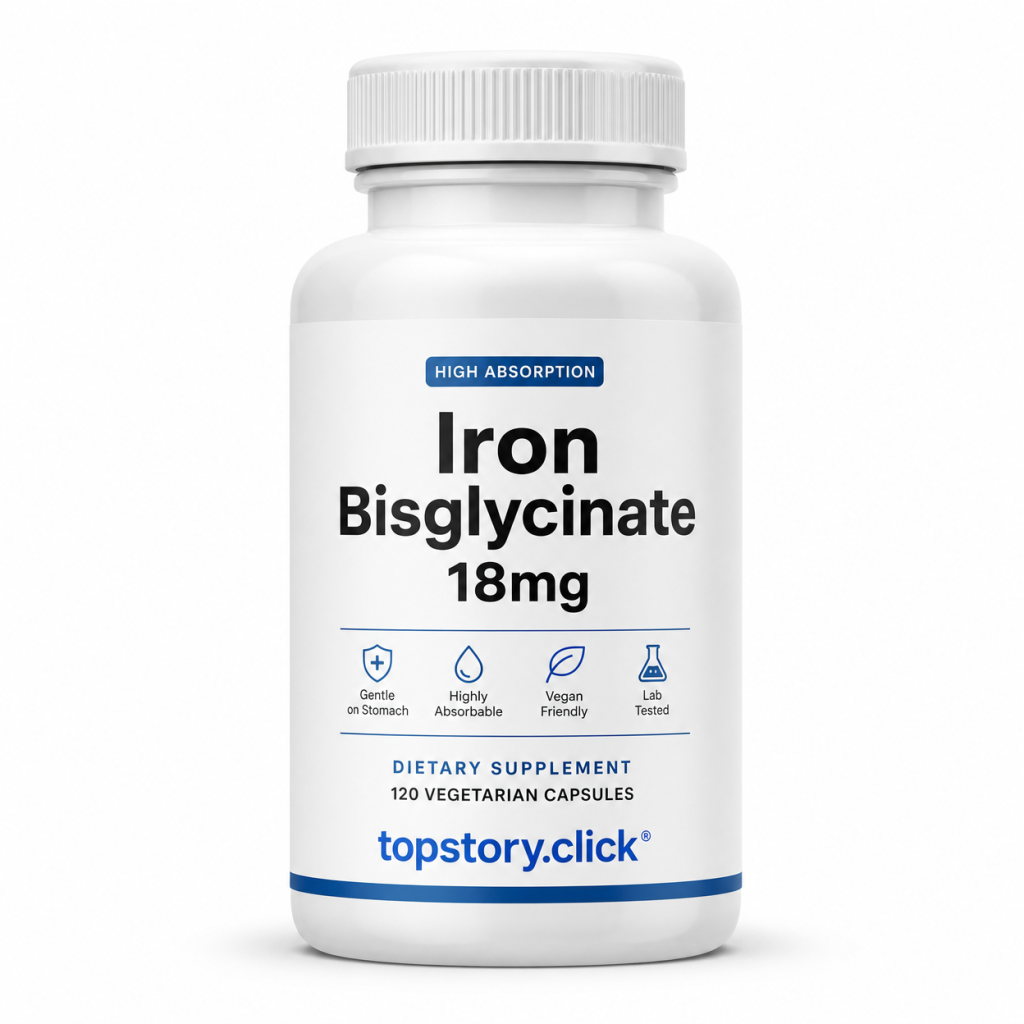
Iron Bisglycinate 18mg: Gentle, Effective Iron for Optimal Energy
May
Introduction
Iron Bisglycinate 18mg is an essential trace mineral that plays a foundational role in human physiology. It is best known for its involvement in oxygen transport, but its influence extends far beyond the blood. Iron is also required for cellular energy production, brain function, immune regulation, and tissue repair.
Within the human body, iron is primarily found in two key proteins:
Hemoglobin, which carries oxygen in red blood cells
Myoglobin, which stores oxygen in muscle tissue
Together, these systems ensure that oxygen reaches every organ and cell efficiently. Without adequate iron, this process becomes impaired, leading to fatigue, weakness, and eventually anemia.
Iron deficiency is the most widespread nutritional deficiency globally, affecting more than 2 billion people. To address this, supplementation is often required, and among available options, iron bisglycinate 18mg stands out as one of the most bioavailable and well-tolerated forms.
The Biological Importance of Iron
Iron is unique because it plays roles in both oxygen delivery and energy metabolism, making it essential for survival and performance.
Oxygen Transport
Hemoglobin contains iron at its core, allowing it to bind oxygen in the lungs and release it in tissues.
When iron levels are low:
- Oxygen transport decreases
- Cells receive less oxygen
- Physical and mental fatigue increase
This is why iron deficiency is strongly associated with chronic tiredness and reduced stamina.
Energy Production at the Cellular Level
Iron is also required for mitochondrial function, specifically in the electron transport chain, where ATP (cellular energy) is produced.
Without sufficient iron:
- ATP production slows
- Metabolic efficiency decreases
- Cells enter a low-energy state
This explains why iron deficiency often causes fatigue even before anemia is diagnosed.
Why Iron Deficiency Is So Common
Iron deficiency does not occur from a single cause but from multiple interacting factors:
1. Inadequate Dietary Intake
- Low consumption of red meat and seafood
- Vegetarian or vegan diets lacking heme iron
- Poor dietary diversity
2. Poor Absorption
Iron absorption is inhibited by:
- Phytates (in grains and legumes)
- Polyphenols (in tea and coffee)
- Calcium-rich foods
3. Blood Loss
- Menstruation (especially heavy periods)
- Gastrointestinal bleeding
- Frequent blood donation
4. Increased Demand
- Pregnancy (iron requirements nearly double)
- Childhood growth
- Endurance sports
Because of these factors, iron deficiency can occur even in individuals with seemingly adequate diets.
Iron Bisglycinate: Advanced Chelated Iron Technology
Iron bisglycinate is a chelated form of iron, meaning the iron molecule is bound to two glycine amino acids.
This structure significantly improves:
- Stability in the digestive tract
- Absorption efficiency
- Tolerance in the gastrointestinal system
Unlike traditional iron salts, iron bisglycinate is designed to pass through the gut without interacting strongly with dietary inhibitors.
Why Iron Bisglycinate Is Superior to Traditional Iron
Traditional Iron Supplements
Common forms include:
- Ferrous sulfate
- Ferrous fumarate
While effective, they are often associated with side effects such as:
- Nausea
- Constipation
- Abdominal pain
- Metallic taste
- Bloating
These side effects occur because unabsorbed iron can irritate the intestinal lining and promote oxidative stress.
Advantages of Iron Bisglycinate
Iron bisglycinate offers several improvements:
- Higher absorption efficiency
- Reduced gastrointestinal irritation
- Better compliance in long-term use
- More stable serum ferritin response
Clinical research consistently shows that iron bisglycinate may be as effective or more effective than ferrous sulfate while being significantly better tolerated.
Iron Bisglycinate 18mg and Its Physiological Role
The 18mg dosage is particularly important because it closely aligns with daily physiological needs for many adults.
It supports:
- Maintenance of iron stores
- Gradual correction of mild deficiency
- Prevention of depletion in at-risk populations
Unlike high-dose therapeutic iron, 18mg is generally considered a balanced daily support dose.
Iron Deficiency Anemia: Mechanism and Symptoms
When iron stores are depleted, hemoglobin production declines, leading to anemia.
Common Symptoms
- Chronic fatigue
- Pale skin
- Shortness of breath
- Dizziness
- Cold hands and feet
- Reduced exercise capacity
Underlying Mechanism
Low iron → reduced hemoglobin → decreased oxygen delivery → reduced energy production
This chain reaction explains the systemic impact of iron deficiency.
Energy and Fatigue: The Early Warning Sign
Even before anemia develops, low ferritin (iron storage protein) can cause significant symptoms.
These include:
- Persistent tiredness
- Reduced physical endurance
- Difficulty concentrating
- Low motivation
Iron is essential for ATP production in mitochondria, so even mild deficiency can affect energy metabolism at the cellular level.
Cognitive Function and Brain Health
Iron is highly important for neurological development and function.
Key Roles in the Brain
- Dopamine synthesis (motivation and reward pathways)
- Myelin formation (nerve signal efficiency)
- Oxygen delivery to brain tissue
Effects of Deficiency
- Poor concentration
- Reduced memory performance
- Slower cognitive processing
- Brain fog
In children, iron deficiency can lead to long-term developmental effects, while in adults it primarily affects attention and mental clarity.
Hair Health and Ferritin Levels
One of the most overlooked consequences of iron deficiency is hair loss.
Mechanism
Hair follicles are metabolically active structures requiring:
- Oxygen
- Nutrients
- Energy (ATP)
When ferritin levels are low:
- Hair growth cycles shorten
- Shedding increases
- Diffuse hair thinning occurs
Dermatologists often associate low ferritin with telogen effluvium, a common form of temporary hair loss.
Immune System Function
Iron plays a complex role in immunity.
Positive Functions
- Supports immune cell proliferation
- Enables pathogen destruction by macrophages
- Supports enzyme systems involved in defense
Important Balance
Iron must remain balanced because:
- Too little weakens immune response
- Too much may promote microbial growth
This makes proper dosing critical.
Absorption Optimization Strategies
Iron absorption is highly influenced by diet and timing.
Enhancers
- Vitamin C significantly increases absorption by reducing ferric iron (Fe³⁺) to ferrous iron (Fe²⁺)
Fe3++e−→Fe2+Fe^{3+} + e^- \rightarrow Fe^{2+}
Inhibitors
- Calcium
- Dairy products
- Tea and coffee
- High-fiber phytate-rich foods
For best results, iron should be taken away from these inhibitors and preferably with Vitamin C.
Safety Considerations and Iron Overload
Iron is one of the few nutrients where excess intake can be harmful.
Potential Risks of Excess Iron
- Oxidative stress
- Tissue damage
- Organ accumulation in genetic conditions
- Increased inflammatory burden
Conditions such as hereditary hemochromatosis can cause iron overload even without supplementation.
Who May Benefit Most from Iron Bisglycinate 18mg?
This form of iron is particularly suitable for:
- Premenopausal women with menstrual blood loss
- Pregnant women (under medical guidance)
- Individuals with low ferritin levels
- Vegetarians and vegans
- Endurance athletes
- People with fatigue of unclear origin
Long-Term Use and Practical Considerations
Iron supplementation should ideally be guided by blood testing:
- Serum ferritin
- Hemoglobin levels
- Complete blood count (CBC)
Iron bisglycinate is often preferred for long-term use because of its:
- High tolerability
- Low gastrointestinal irritation
- Stable absorption profile
Conclusion
Iron Bisglycinate 18mg is a highly bioavailable and gentle form of iron that supports one of the most essential processes in human biology: oxygen transport and cellular energy production.
By improving hemoglobin synthesis, enhancing mitochondrial energy output, and restoring iron stores, it effectively addresses the root causes of fatigue, weakness, and iron deficiency symptoms.
Its superior absorption and reduced side effects compared to traditional iron salts make it an ideal option for long-term supplementation when iron support is needed.
