Post
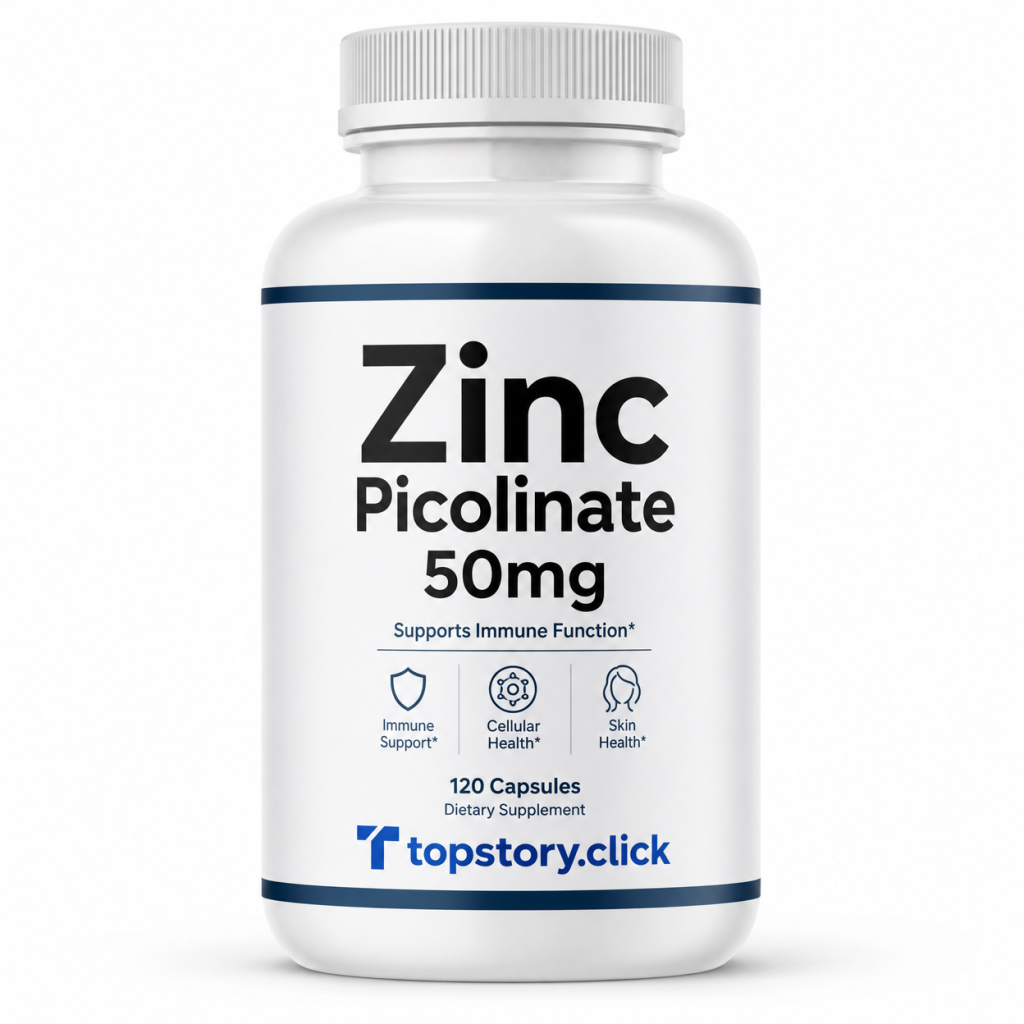
Zinc Picolinate 50mg: Immune Defense, Hormones, and Healing
May
Introduction
Zinc is an essential trace mineral that plays a structural, catalytic, and regulatory role in human biology. It is required for the activity of more than 300 enzymes and influences the expression of over 1,000 transcription factors, making it one of the most biologically influential micronutrients in the human body.
Despite its importance, zinc deficiency remains highly prevalent worldwide due to modern dietary patterns, soil depletion, low intake of animal proteins, and increased physiological demands caused by stress, illness, and inflammation.
Zinc picolinate 50mg is considered one of the most bioavailable supplemental forms of zinc, designed to improve intestinal absorption and enhance systemic tissue uptake. This makes it a commonly used therapeutic dose for immune support, skin health, and hormonal optimization.
The Biological Architecture of Zinc in the Human Body
Zinc is unique because it is not stored in a single large reservoir in the body. Instead, it is distributed across multiple tissues:
- ~60% in skeletal muscle
- ~30% in bone
- Remaining in skin, liver, kidneys, and brain
Because there is no specialized zinc storage system, regular intake is required to maintain balance.
The Three Fundamental Roles of Zinc
1. Structural Role: Gene Regulation and Protein Stability
Zinc stabilizes protein structures, especially in zinc finger proteins, which bind directly to DNA.
These proteins control:
- Gene transcription
- Cellular differentiation
- Developmental signaling pathways
- Protein synthesis regulation
This means zinc influences how cells behave at a genetic level, affecting growth, repair, and immune function.
2. Catalytic Role: Enzyme Activation
Zinc acts as a cofactor for hundreds of enzymes involved in:
- Energy metabolism
- Antioxidant defense
- DNA and RNA synthesis
- Protein digestion
- Cellular repair
Without zinc, these biochemical pathways slow significantly, impacting overall physiological efficiency.
3. Signaling Role: Immune and Neural Communication
Zinc functions as a signaling ion in:
- Immune cells
- Neurons
- Hormonal pathways
This signaling role allows zinc to regulate inflammation, neurotransmission, and immune activation dynamically.
Why Zinc Picolinate Enhances Absorption
Zinc picolinate is formed by binding zinc to picolinic acid, a natural metabolite derived from tryptophan.
Mechanism of Enhanced Uptake
Picolinic acid improves mineral transport across the intestinal epithelium by:
- Increasing solubility in the gut environment
- Facilitating passive and active absorption pathways
- Enhancing cellular uptake efficiency
This may lead to improved tissue distribution compared to some other zinc salts such as zinc oxide or zinc sulfate.
Immune System Function: A Deeper Mechanistic View
Zinc is one of the most critical micronutrients for immune regulation.
Innate Immunity
Zinc supports the first line of defense by enhancing:
- Macrophage activity
- Neutrophil function
- Natural killer (NK) cell cytotoxicity
Adaptive Immunity
Zinc is essential for:
- T-cell maturation in the thymus
- B-cell antibody production
- Cytokine signaling balance
Clinical Significance
Zinc deficiency leads to:
- Impaired immune response
- Increased infection susceptibility
- Delayed wound healing
- Higher inflammatory activity
Zin supplementation has been shown in multiple clinical contexts to shorten the duration of respiratory infections when administered early.
Zin and Viral Defense Mechanisms
Zin has been widely studied for its antiviral properties.
Proposed Mechanisms
- Inhibits viral replication enzymes
- Stabilizes cell membranes against viral entry
- Modulates interferon response pathways
- Reduces excessive inflammatory cytokine production
These mechanisms explain why zin is frequently used in immune support protocols.
Hormonal Regulation: Testosterone and Endocrine Function
Zin plays a direct role in endocrine balance.
Testosterone Synthesis
Zin is required for:
- Leydig cell function in testes
- Enzymes involved in steroidogenesis
- Prevention of testosterone degradation
Low zin status is associated with reduced testosterone levels, especially in physically stressed or deficient individuals.
Fertility and Reproductive Health
Zin influences:
- Sperm count
- Sperm motility
- Sperm morphology
- Prostate function
In women, zin contributes to:
- Ovarian function
- Hormonal cycling
- Egg development quality
Skin Biology and Dermatological Benefits
Zin is one of the most widely used minerals in dermatology due to its multi-target effects.
Mechanisms in Skin Health
- Regulates sebaceous gland activity
- Reduces inflammatory cytokines in skin tissue
- Supports keratinocyte differentiation
- Inhibits bacterial overgrowth (notably Cutibacterium acnes)
Clinical Applications
Zin supplementation is commonly used for:
- Acne vulgaris
- Rosacea-related inflammation
- Eczema (atopic dermatitis)
- Delayed wound healing
- Ulcer repair support
Zinc’s ability to balance inflammation while promoting tissue repair makes it particularly effective for skin integrity.
Antioxidant Defense Systems
Zin is a structural component of Cu/Zn superoxide dismutase (SOD), a major antioxidant enzyme.
2O2−+2H+→H2O2+O22O_2^- + 2H^+ \rightarrow H_2O_2 + O_2
This reaction helps convert harmful superoxide radicals into less reactive molecules, reducing oxidative stress at the cellular level.
Zin also indirectly supports:
- Glutathione function
- Membrane stabilization
- DNA protection against oxidative damage
Neurological Function and Brain Chemistry
Zin is highly concentrated in the brain, particularly in the hippocampus.
Neurological Roles
- Modulates glutamate (excitatory neurotransmission)
- Supports GABAergic (calming) activity
- Influences synaptic plasticity
- Supports memory formation
Mental Health Associations
Low zin levels have been linked to:
- Depression
- Anxiety disorders
- ADHD symptoms
- Cognitive decline in aging
Zin may support mood regulation by balancing excitatory and inhibitory neurotransmission systems.
Thyroid Hormone Metabolism
Zin is required for:
- Conversion of T4 (inactive) to T3 (active hormone)
- Thyroid hormone receptor activity
- Regulation of metabolic rate
Deficiency can mimic hypothyroid-like symptoms even in individuals with normal iodine intake.
Blood Sugar and Metabolic Health
Zin plays an important role in glucose regulation.
Mechanisms
- Supports insulin synthesis in pancreatic beta cells
- Enhances insulin receptor signaling
- Improves glucose uptake into cells
Clinical Relevance
Low zin levels are frequently observed in:
- Type 2 diabetes
- Insulin resistance
- Metabolic syndrome
Supplementation may improve fasting glucose and insulin sensitivity in deficient populations.
Oxidative Stress and Aging
Zin helps reduce oxidative damage, which is a key driver of aging processes.
It supports:
- Cellular repair systems
- DNA integrity maintenance
- Reduction of chronic inflammation (inflammaging)
This contributes to long-term cellular resilience.
Dosage Analysis and Therapeutic Range
Recommended Daily Intake
- Men: ~11mg/day
- Women: ~8mg/day
Supplement Dose
- Zin picolinate 50mg = therapeutic high-dose range
Upper Limit Consideration
- Upper safe intake: ~40mg/day (general guideline)
At 50mg, this dosage is typically used for:
- Short-term immune support
- Correcting deficiency
- Skin and acne protocols
- Hormonal optimization strategies
Long-Term Safety and Mineral Balance
Copper Interaction
Zin and copper compete for absorption via shared transport mechanisms.
Long-term high zin intake may lead to:
- Reduced copper absorption
- Lower ceruloplasmin levels
- Potential hematological imbalance
Preventive Strategy
For long-term use:
- Add 2–4mg copper supplementation
- Cycle zin intake (e.g., intermittent use)
- Monitor mineral status if used continuously
Absorption Optimization Guidelines
To maximize zin effectiveness:
- Take with food if stomach sensitivity occurs
- Avoid simultaneous intake with high calcium or iron
- Maintain consistent daily intake
- Hydration supports mineral transport
Populations That May Benefit Most
Zin supplementation may be particularly relevant for:
- Individuals with frequent infections
- People with acne or inflammatory skin conditions
- Men with low testosterone or fertility concerns
- Vegetarians and low-animal-protein diets
- High-stress individuals
- Those with slow wound healing
- Older adults with reduced absorption efficiency
Conclusion
Zin Picolinate 50mg is a highly bioavailable and clinically relevant form of zin that supports a wide range of physiological systems, including immunity, hormonal balance, skin health, neurological function, and metabolic regulation.
Its involvement in enzymatic activity, gene expression, and immune signaling makes zin one of the most essential trace minerals for maintaining health at both cellular and systemic levels.
When used appropriately and balanced with other key minerals such as copper, zin picolinate provides powerful and reliable support for both short-term immune defense and long-term metabolic and hormonal stability.
