Post
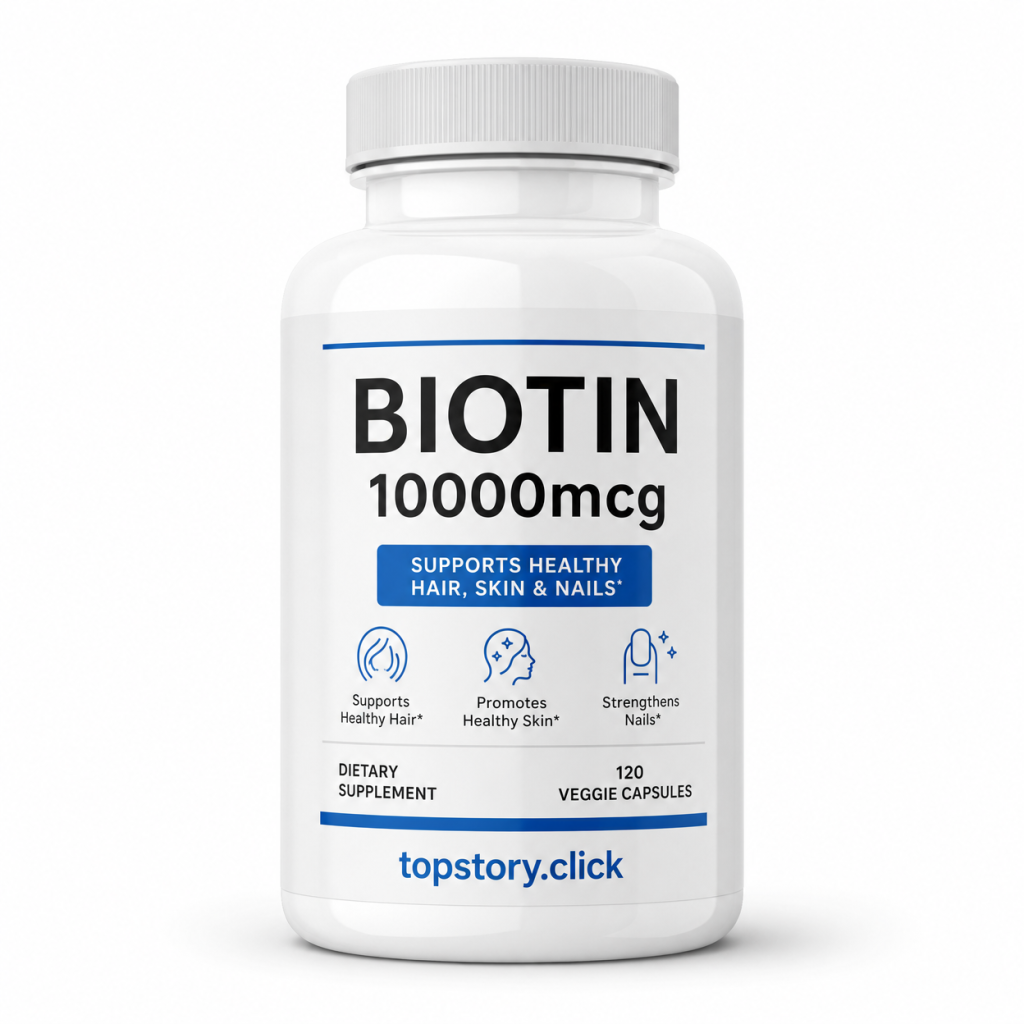
Biotin 10000mcg: The Beauty Vitamin for Hair, Skin, and Nails
May
Introduction
Biotin, also known as Vitamin B7 or Vitamin H, is a water-soluble B vitamin that has become widely recognized for its role in supporting hair, skin, and nail health. In recent years, high-dose formulations such as 10,000mcg (10mg) have become extremely popular in the beauty and wellness industry due to their association with stronger hair, reduced breakage, and improved nail integrity.
However, biotin is far more than a cosmetic nutrient. It is a fundamental cofactor in essential metabolic pathways that convert food into energy, regulate gene expression, and support neurological function. Its role in human physiology extends far beyond appearance, influencing core processes such as glucose metabolism, fatty acid synthesis, and protein utilization.
Because it is water-soluble and not stored extensively in the body, biotin must be obtained regularly through diet or supplementation to maintain optimal levels.
What Is Biotin?
Biotin is a member of the B-complex vitamin family and functions primarily as a coenzyme for a group of enzymes called carboxylases. These enzymes are essential for energy metabolism and biochemical balance.
Biotin is required for the activity of five major carboxylase enzymes:
- Pyruvate carboxylase → supports glucose production (gluconeogenesis)
- Acetyl-CoA carboxylase → involved in fatty acid synthesis
- Propionyl-CoA carboxylase → helps metabolize certain amino acids and fats
- Methylcrotonyl-CoA carboxylase → involved in leucine breakdown
Through these pathways, biotin helps regulate the metabolism of:
- Carbohydrates
- Fats
- Proteins
This makes biotin a central player in energy production at the cellular level.
Biotin and Gene Regulation
Beyond metabolism, biotin also plays a role in gene expression and epigenetic regulation.
It contributes to:
- Histone modification (how DNA is packaged and read)
- Regulation of gene transcription
- Cell growth and differentiation
These functions are particularly important in tissues with rapid turnover, such as:
- Hair follicles
- Skin cells
- Nail matrix cells
This helps explain why biotin is strongly associated with visible improvements in these tissues when deficiency is present.
Biotin and Hair Health
One of the most well-known uses of biotin supplementation is supporting hair growth and strength.
Role in Keratin Production
Hair is primarily composed of keratin, a structural protein. Biotin supports keratin infrastructure by improving the metabolic processes that supply amino acids and energy required for hair synthesis.
Effects of Biotin Deficiency
Although rare, biotin deficiency can lead to:
- Hair thinning
- Increased shedding
- Brittle hair strands
- Loss of eyebrows or body hair in severe cases
Supplementation Evidence
Clinical research is strongest in individuals who are biotin-deficient or experiencing underlying metabolic stress. In these cases, supplementation may help restore:
- Hair thickness
- Reduced shedding
- Improved hair quality
However, in individuals without deficiency, results can be more variable, as hair loss often has multiple causes including:
- Hormonal imbalance (DHT-related loss)
- Thyroid dysfunction
- Iron deficiency
- Stress-related shedding (telogen effluvium)
- Autoimmune conditions
Therefore, biotin is best understood as a supportive nutrient rather than a standalone treatment for hair loss.
Biotin and Nail Strength
Among all cosmetic claims, biotin’s effect on nails has the most consistent scientific support.
Studies have shown that biotin supplementation may:
- Increase nail thickness
- Reduce brittleness
- Decrease splitting and breakage
- Improve nail surface smoothness
Clinical research commonly uses doses around 2,500mcg, meaning that a 10,000mcg dose is significantly higher and widely used in cosmetic-focused supplementation.
This makes biotin particularly popular for individuals with brittle nail syndrome (onychoschizia).
Biotin and Skin Health
Biotin contributes to skin health primarily through its role in fat metabolism and cell membrane integrity.
Healthy skin relies on lipid balance to maintain a strong protective barrier. When biotin levels are insufficient, the skin barrier can weaken, leading to:
- Dryness
- Flaking
- Irritation
- Inflammation
Severe deficiency may present as seborrheic dermatitis-like rashes, often appearing around the eyes, nose, and mouth.
By supporting fatty acid metabolism, biotin helps maintain:
- Skin hydration
- Barrier function
- Cellular repair processes
Biotin and Blood Sugar Regulation
Less widely known but scientifically relevant is biotin’s role in glucose metabolism.
Biotin supports blood sugar regulation by:
- Enhancing insulin secretion from pancreatic beta cells
- Increasing activity of glucokinase (an enzyme involved in glucose metabolism)
- Supporting glucose uptake into muscle tissue
- Assisting liver glucose processing
Some studies suggest that biotin may have modest benefits in type 2 diabetes management, particularly when combined with other nutrients such as chromium.
However, biotin should not be considered a replacement for medical treatment but rather a supportive metabolic nutrient.
Neurological and Nervous System Support
Biotin is essential for proper nervous system function and is involved in:
- Myelin sheath maintenance (nerve insulation)
- Neural signal transmission
- Energy metabolism in brain cells
Severe deficiency can result in neurological symptoms such as:
- Tingling sensations
- Seizures (rare)
- Cognitive disturbances
- Peripheral neuropathy
High-dose biotin is also being investigated in research settings for potential support in neurological conditions such as multiple sclerosis, although findings are still emerging.
High-Dose Biotin (10,000mcg): Why It Is Used
The standard dietary requirement for biotin is relatively low, but high-dose supplementation is used for several reasons:
- Cosmetic support (hair, skin, nails)
- Increased metabolic demand
- Empirical use in clinical and aesthetic settings
- Support during periods of stress or deficiency suspicion
Because biotin is water-soluble, excess amounts are generally excreted rather than stored.
Important Consideration: Lab Test Interference
One of the most important safety considerations with high-dose biotin is its effect on laboratory testing.
Biotin can interfere with tests that use biotin-streptavidin binding technology, potentially leading to inaccurate results.
This may affect:
- Thyroid hormone tests (TSH, T3, T4)
- Cardiac markers (such as troponin)
- Hormone panels
- Certain immunoassays
Practical Recommendation
It is commonly recommended to stop biotin supplementation for at least 48–72 hours before blood tests to avoid false readings.
Safety and Tolerance
Biotin is considered one of the safest vitamins available.
Key safety points:
- No established upper intake limit
- No known toxicity even at high doses
- Water-soluble with rapid excretion
- Very low risk of side effects in healthy individuals
Occasional mild effects may include:
- Skin breakouts in sensitive individuals (rare)
- Minor digestive discomfort
Overall, biotin has an excellent safety profile.
Who May Benefit from Biotin 10,000mcg?
Biotin supplementation may be most relevant for:
- Individuals experiencing hair thinning or shedding
- People with brittle or weak nails
- Those with poor dietary intake
- Individuals under high physical or psychological stress
- People with suspected biotin deficiency
- Those seeking cosmetic hair and skin support
It is especially popular in beauty-focused wellness routines.
Conclusion
Biotin 10,000mcg is a high-potency form of Vitamin B7 that supports both visible beauty outcomes and deep metabolic processes. While it is most commonly associated with hair, skin, and nail improvements, its biological role extends into energy production, glucose metabolism, and nervous system function.
Although results may vary depending on underlying health status and nutritional needs, biotin remains a well-tolerated and widely used supplement with a strong safety profile.
For individuals seeking support for hair strength, nail resilience, skin health, or metabolic balance, biotin represents a versatile and scientifically grounded nutritional option.
