Introduction Even with a carefully structured diet and a high-quality supplement regimen, optimal nutrition cannot be achieved if the digestive system is unable to properly break down food and absorb nutrients. Digestion is not a passive process; it is a highly coordinated biochemical system involving gastric acid, pancreatic enzymes, bile secretion, and intestinal brush-border enzymes. […]
Author Archives: adminsite
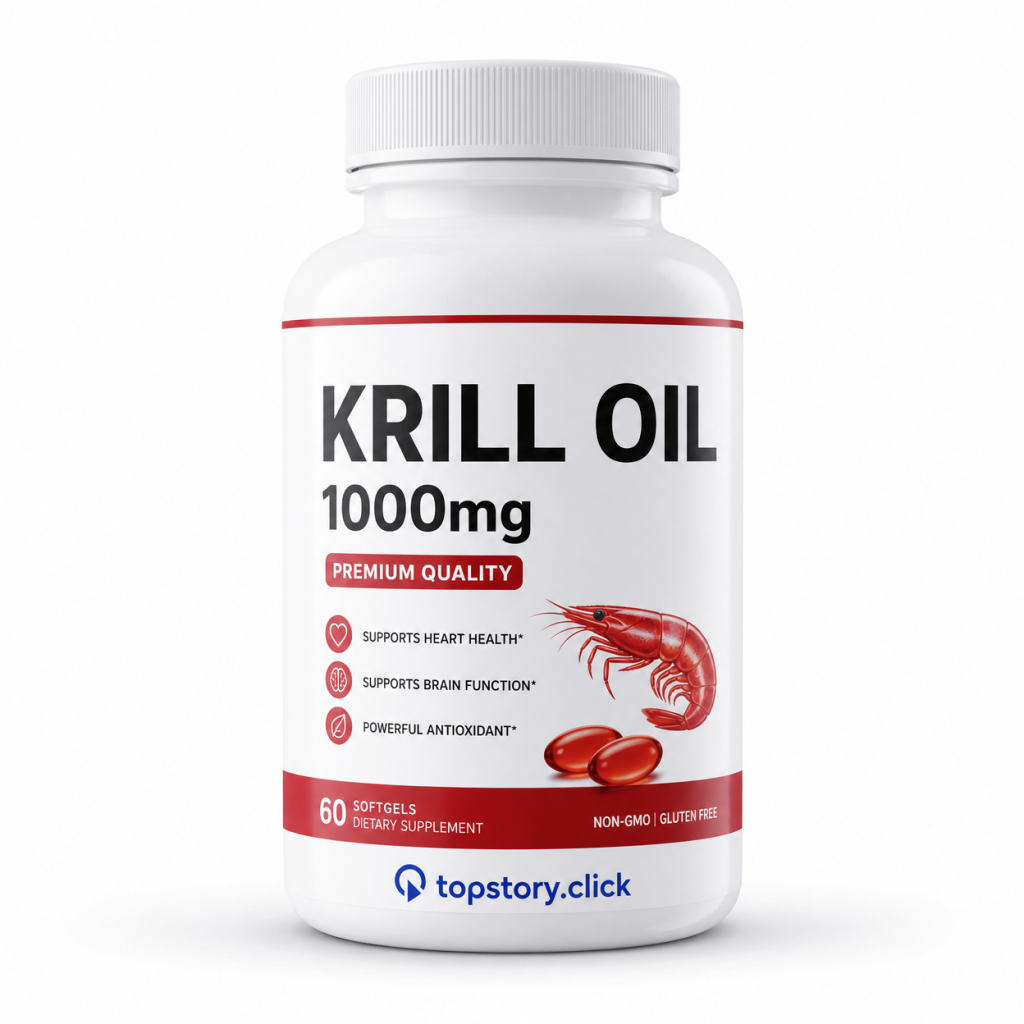
Introduction Krill oil, derived from Antarctic krill (Euphausia superba), has rapidly gained attention as a premium alternative to traditional fish oil in the omega-3 supplement category. Antarctic krill are small, shrimp-like crustaceans that exist in massive swarms in the Southern Ocean and represent one of the largest marine biomasses on Earth. Despite their size, they […]
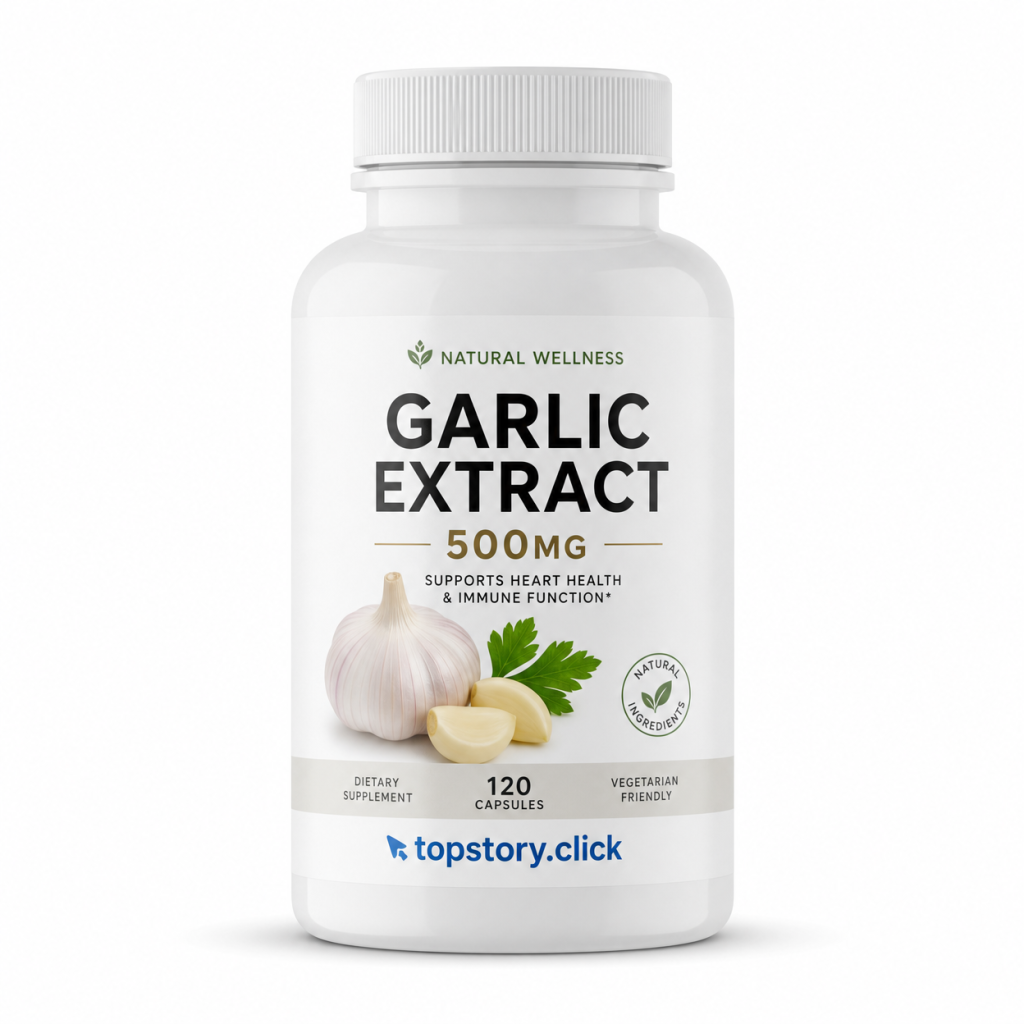
Introduction Garlic (Allium sativum) is one of the most extensively researched medicinal foods in both traditional and modern medicine. For more than 5,000 years, it has been used across ancient Egyptian, Greek, Roman, Chinese, and Indian healing systems as a remedy for cardiovascular weakness, infections, digestive disorders, and general fatigue. What was once empirical traditional […]
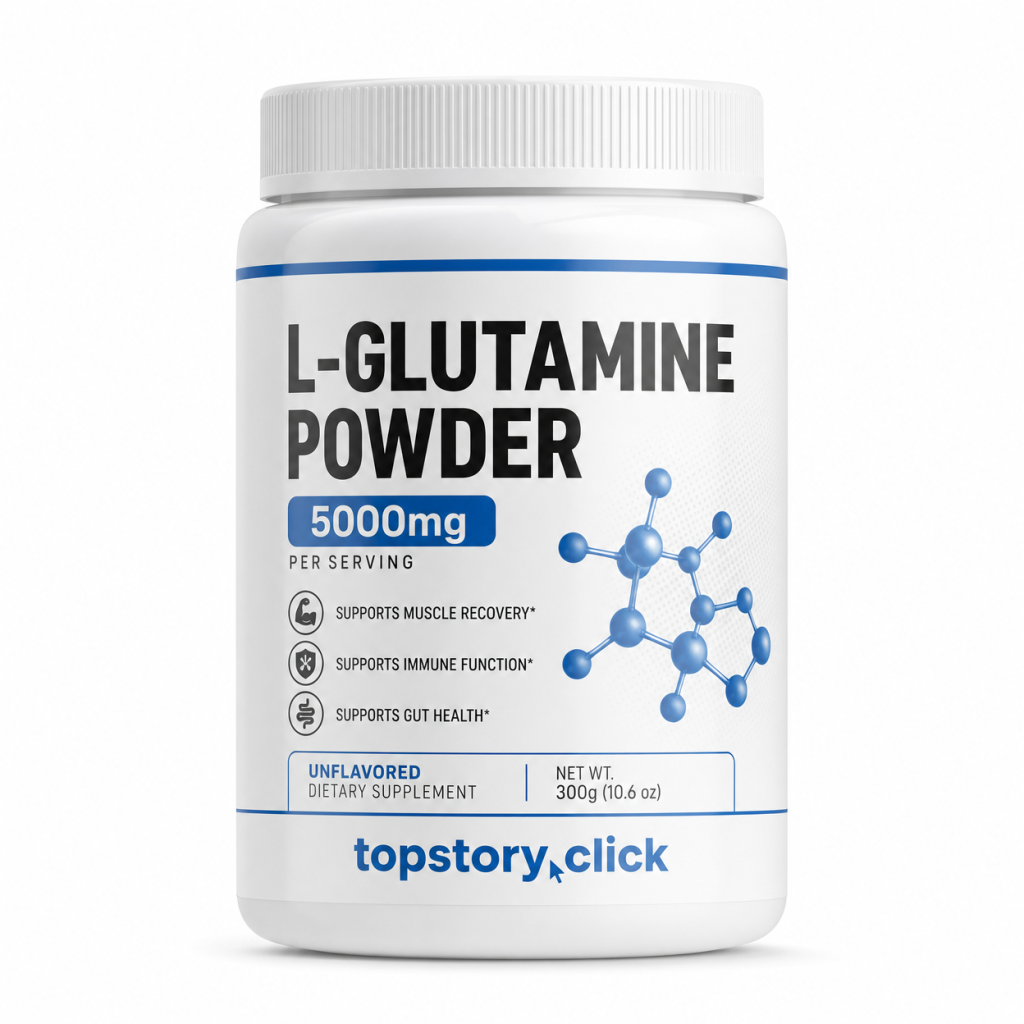
Introduction L-Glutamine is often described as a “support nutrient,” but that undersells its biological importance. It is the most abundant amino acid in the bloodstream and skeletal muscle, and it functions as a central hub in gut integrity, immune metabolism, acid–base balance, and cellular energy production. Unlike many amino acids that serve primarily as building […]
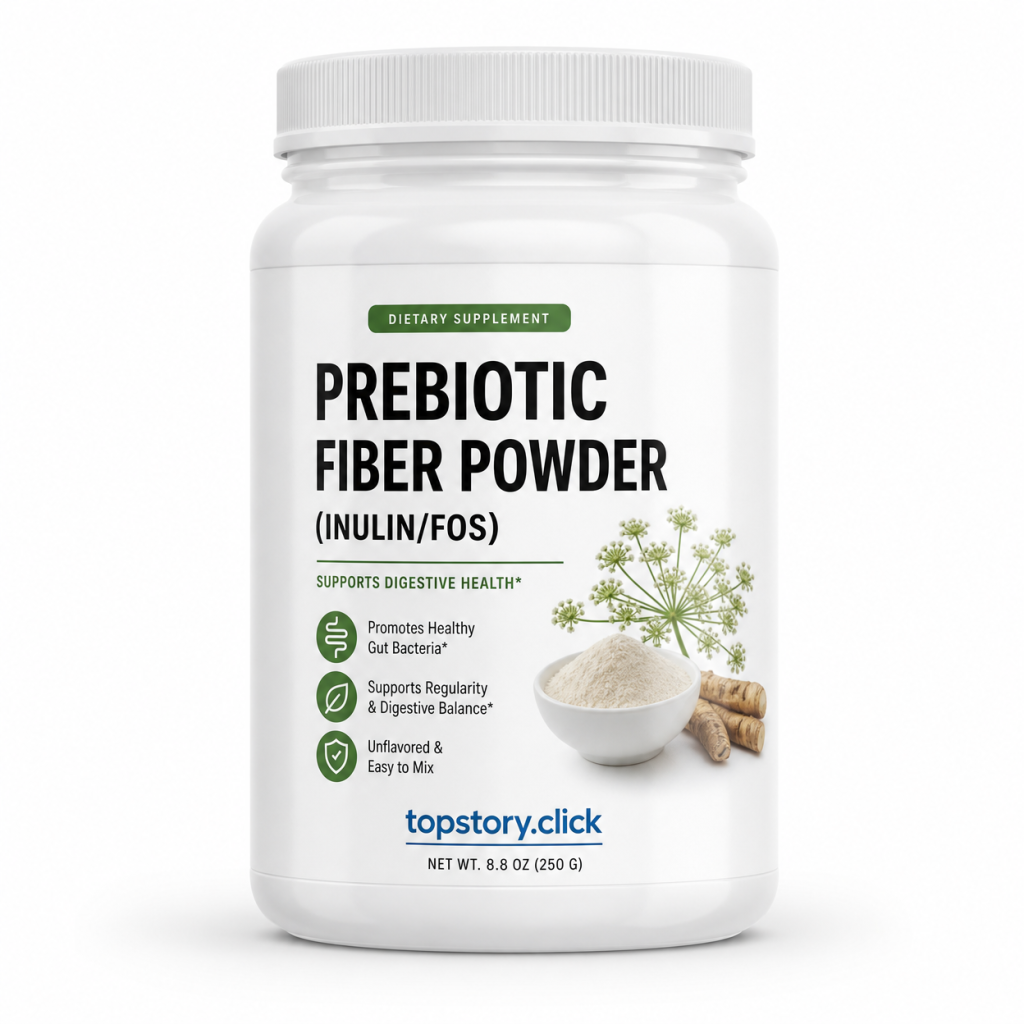
Introduction While probiotics introduce beneficial live microorganisms into the gastrointestinal tract, prebiotics operate at a more foundational level: they provide the selective nutritional substrate required for those microorganisms — as well as the resident gut microbiota — to grow, metabolize, and maintain a stable ecological balance. Without adequate prebiotic intake, even the most potent probiotic […]
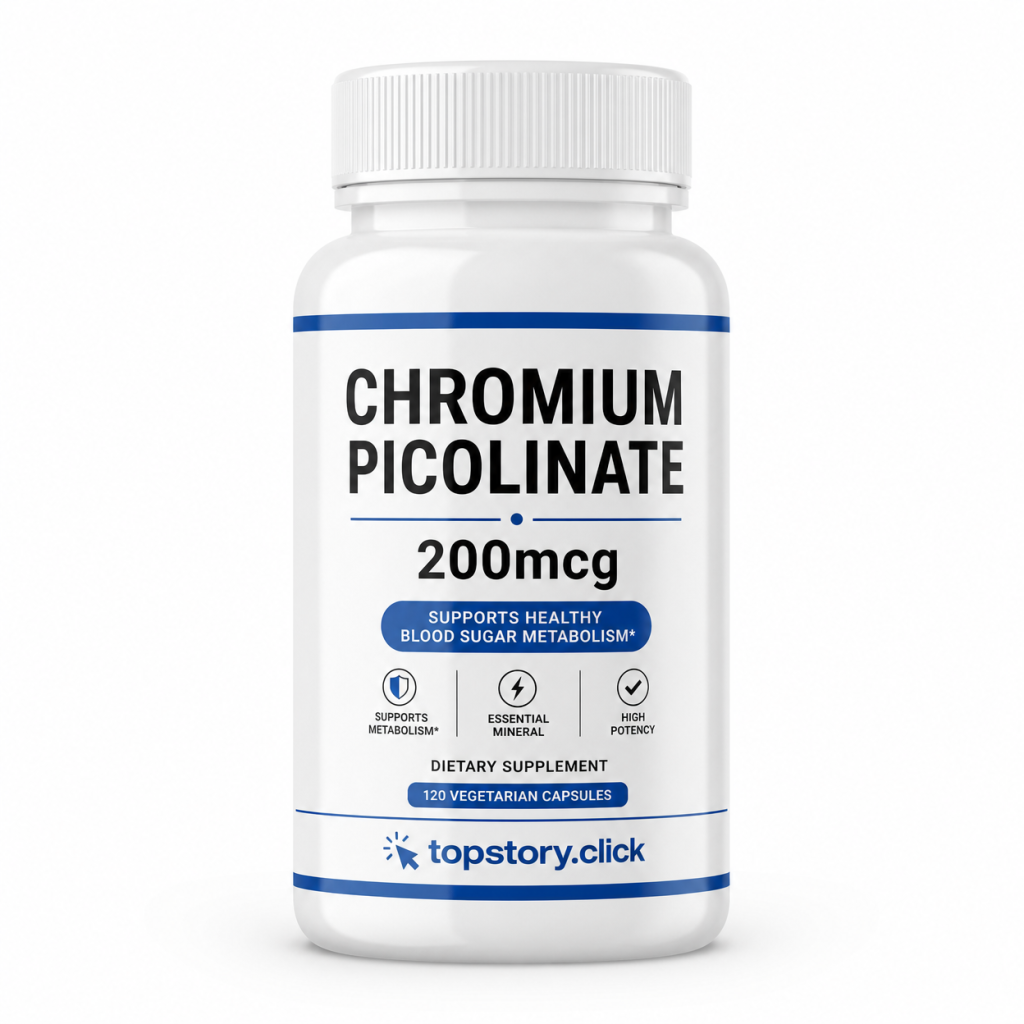
Introduction Chromium is an essential trace mineral required in extremely small amounts, yet it plays a disproportionately important role in human metabolism. Its primary biological function is the enhancement of insulin activity, making it directly relevant to glucose regulation, energy production, fat metabolism, and appetite control. Although chromium requirements are measured in micrograms, even slight […]
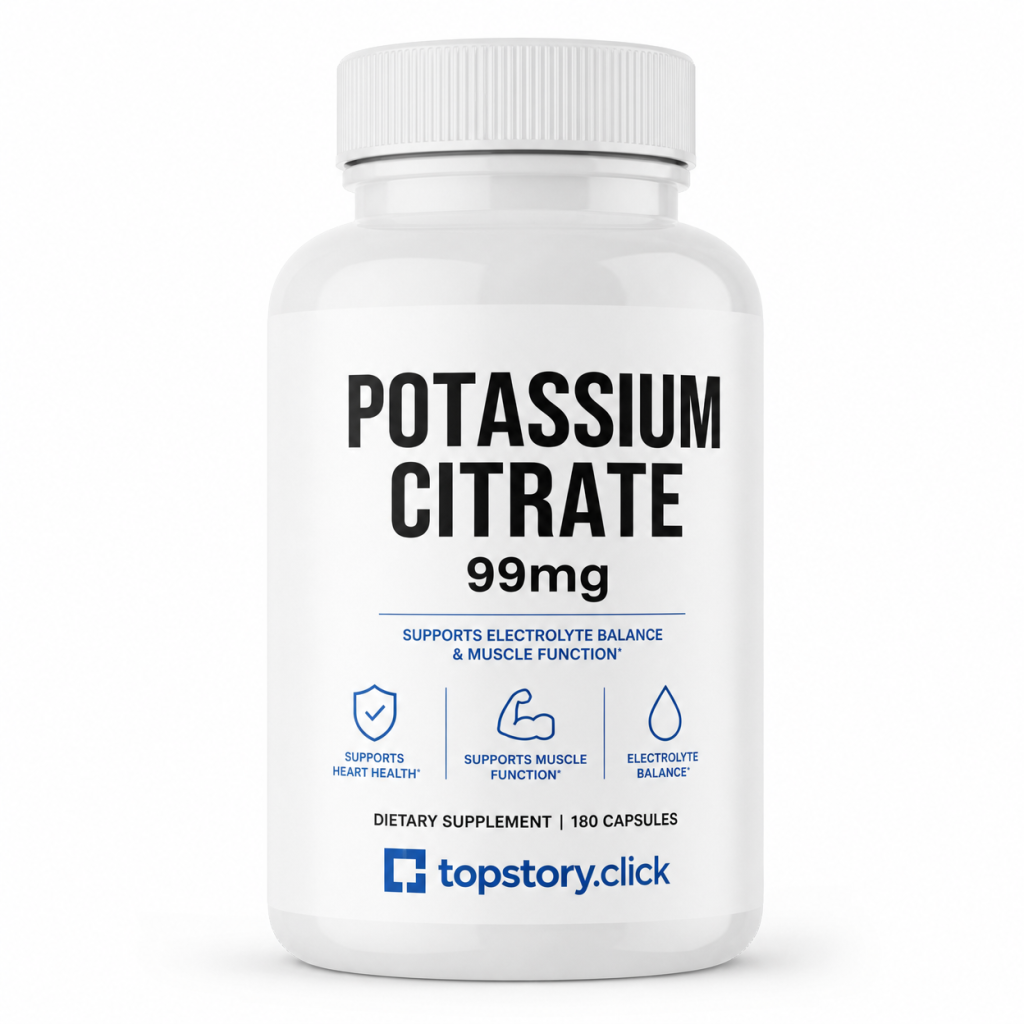
Introduction Potassium Citrate is the primary intracellular electrolyte, meaning it is found predominantly inside cells rather than in blood plasma. It plays a central role in maintaining cellular function across virtually every tissue in the body. Without adequate potassium, normal nerve signaling, muscle contraction, and fluid balance cannot occur efficiently. Key physiological roles of potassium […]
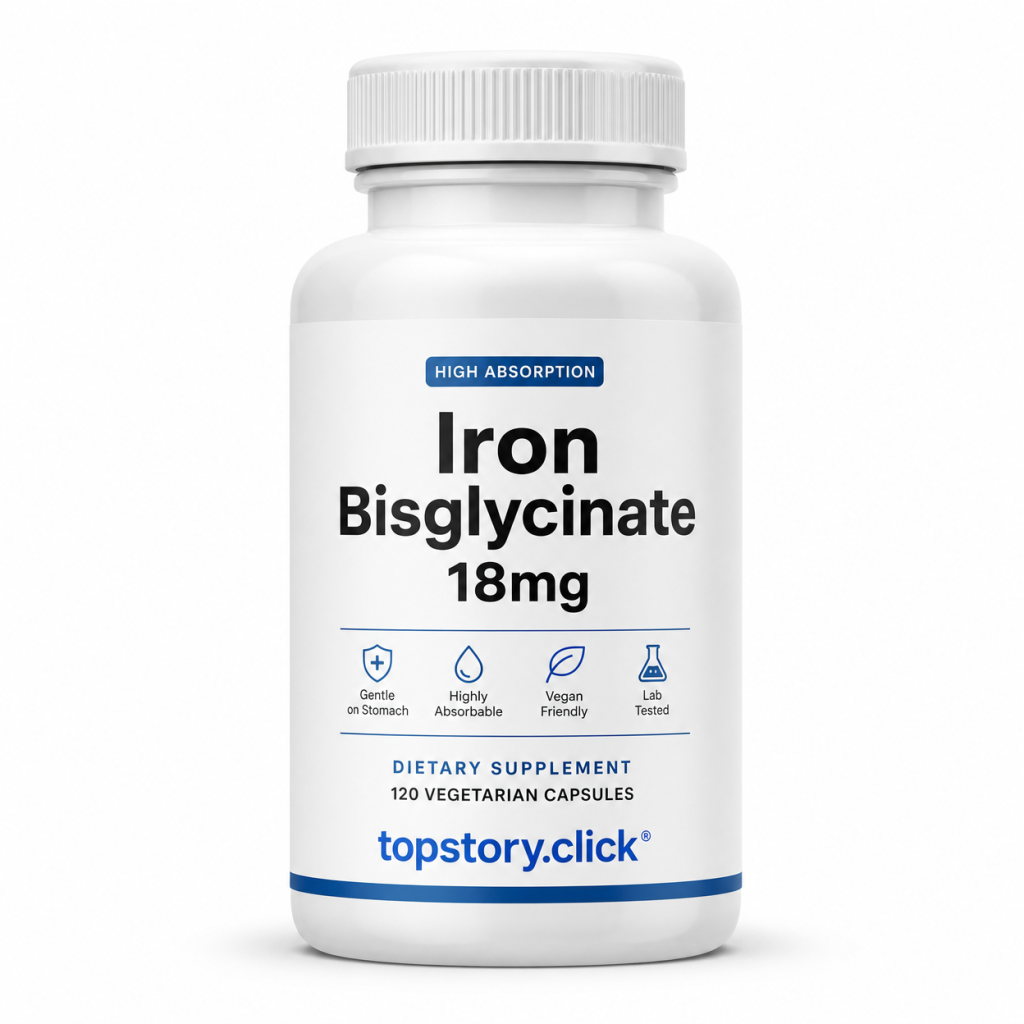
Introduction Iron Bisglycinate 18mg is an essential trace mineral that plays a foundational role in human physiology. It is best known for its involvement in oxygen transport, but its influence extends far beyond the blood. Iron is also required for cellular energy production, brain function, immune regulation, and tissue repair. Within the human body, iron […]
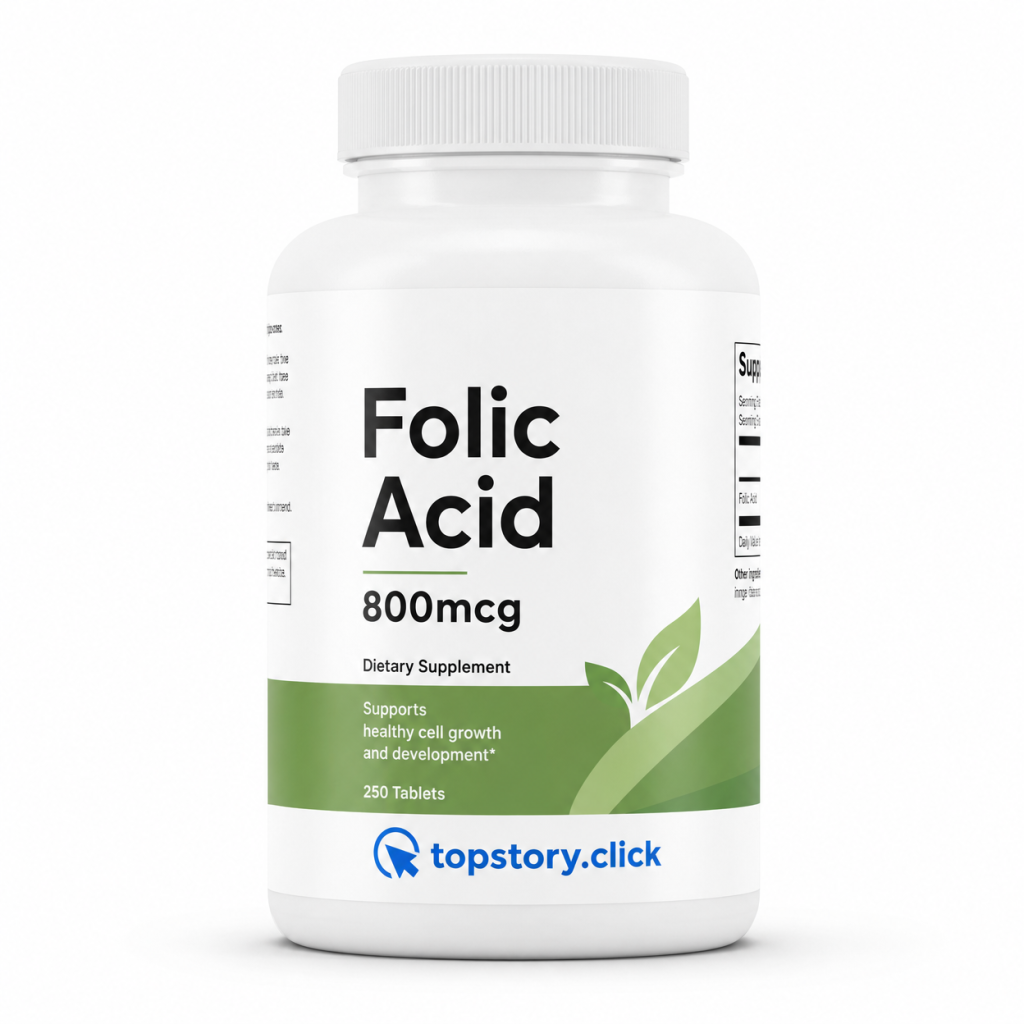
Introduction Folic acid is the synthetic, stable form of Vitamin B9 (folate) and remains one of the most extensively studied vitamins in human nutrition. At a dosage of 800mcg, it provides a high but commonly used supplemental level that supports critical biological processes such as DNA synthesis, cell division, and methylation. Unlike many nutrients that […]
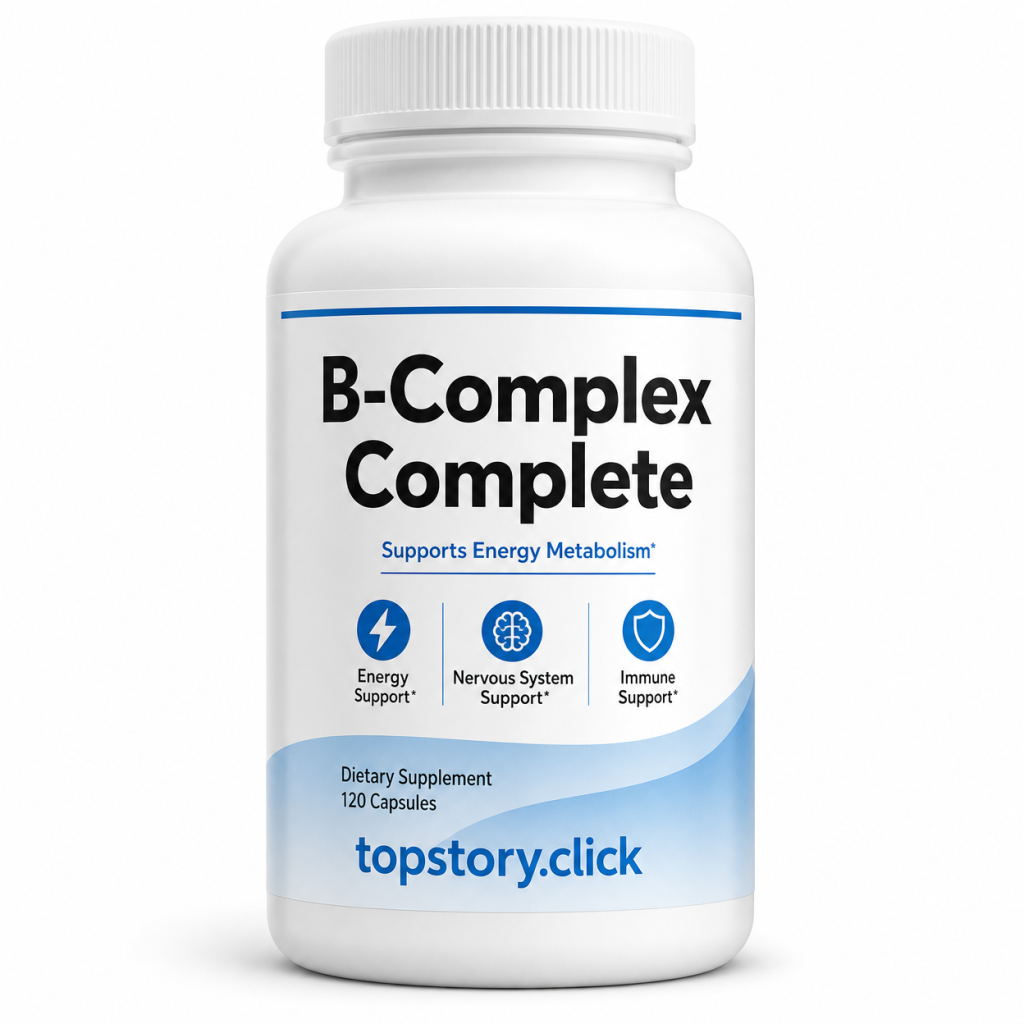
Introduction The B-vitamin family consists of eight water-soluble nutrients that work together to support nearly every major biological process in the human body. Unlike single vitamins that target specific functions, the B vitamins operate as an integrated system, driving energy production, brain function, DNA repair, and metabolic regulation. Because these vitamins are water-soluble and not […]