Post
Natural vs. Synthetic Vitamins: Which is Better for You?
Jun
Natural vs. Synthetic Vitamins: Which is Better for You?
In today’s health-conscious world, vitamin supplements are a common choice for those looking to boost well-being or fill nutritional gaps. Yet, the supplement aisle often presents a fundamental question: should you choose natural vitamins derived from whole foods or their synthetic counterparts made in a lab? This enduring debate continues to spark discussions among experts and consumers alike.
Understanding which type of vitamin is ‘better’ for you involves examining aspects of bioavailability, chemical structure, co-factors, and individual body responses. While both aim to deliver essential nutrients, their origins and how our bodies process them can differ. This guide will explore natural and synthetic vitamins, outlining their characteristics, advantages, drawbacks, and help you make an informed decision for your health goals.
Understanding Natural Vitamins: Nature’s Complete Package
Natural vitamins, also known as whole food vitamins, are nutrients extracted directly from plant or animal sources—e.g., Vitamin C from acerola cherries or Vitamin E from sunflower seeds. The defining feature is they are not isolated nutrients. Instead, they come as part of a complex package, including co-factors, enzymes, minerals, and phytonutrients. This synergistic combination, often called the ‘entourage effect,’ is believed to enhance absorption, utilization, and overall efficacy.
Advocates suggest the human body is optimized to process nutrients within their whole-food matrix, making them more bioavailable. Consuming vitamins in their natural context is thought to lead to better health outcomes and reduce the risk of imbalances from isolated nutrients.
Decoding Synthetic Vitamins: Lab-Engineered Solutions
Synthetic vitamins are artificially manufactured in laboratories through chemical processes, designed to mimic the structure of natural vitamins. Common examples include ascorbic acid (synthetic Vitamin C) and folic acid (synthetic folate). These isolated nutrients are widely used to fortify foods or formulate supplements.
Synthetic vitamins offer several advantages: they are generally more cost-effective to produce, making them widely accessible. Their production allows for precise dosing and high potency, crucial for correcting specific deficiencies. Moreover, synthetic vitamins are often more stable, offering a longer shelf life. In some instances, synthetic forms can be more bioavailable; for example, folic acid is better absorbed than natural folate, hence its recommendation for pregnant women.
The Bioavailability Debate: Absorption and Utilization
The core of the natural versus synthetic debate is bioavailability—how efficiently a nutrient is absorbed and utilized. Proponents of natural vitamins argue that co-factors and phytonutrients in whole-food sources enhance the body’s ability to absorb and use vitamins effectively. They suggest isolating a vitamin diminishes its effectiveness.
However, scientific research offers a nuanced view. For many vitamins (e.g., Vitamin C, most B vitamins), synthetic versions are chemically identical and show comparable bioavailability. In specific cases, synthetic forms can be superior (e.g., folic acid). Conversely, for nutrients like Vitamin E, the natural form (D-alpha-tocopherol) is often considered more potent than its synthetic counterpart (DL-alpha-tocopherol). Bioavailability is a complex process, influenced by individual digestive health, genetics, diet, and existing deficiencies.
Nutritional Gaps and the Role of Supplementation
Vitamins, regardless of origin, are critical for health by addressing deficiencies and supporting bodily functions. Many individuals use supplements when their diet lacks essential vitamins and minerals due to busy lifestyles, restrictive diets (e.g., veganism), medical conditions, or even nutrient depletion in modern foods.
Supplements are designed to complement, not replace, a balanced diet. They particularly benefit specific populations: pregnant women needing folic acid, vegans needing B12, the elderly with reduced Vitamin D synthesis, or individuals with malabsorption issues. In these cases, targeted supplements are vital for preventing deficiency-related problems and promoting optimal bodily functions.
Benefits of Vitamins: Essential Roles for Overall Health
Vitamins are micronutrients indispensable for countless bodily functions. Both natural and synthetic vitamins, when adequately absorbed, deliver these crucial health benefits:
- Immune System Support: Vitamins C, D, and various B vitamins bolster the body’s defenses.
- Energy Production: B vitamins are critical coenzymes in converting food into cellular energy.
- Bone Health: Vitamin D is fundamental for calcium absorption, essential for strong bones. Vitamin K2 further aids calcium direction to bones.
- Antioxidant Protection: Vitamins C and E are potent antioxidants, safeguarding cells from free radical damage and potentially lowering chronic disease risk.
- Cognitive Function: B vitamins (B6, B9, B12) are vital for brain health and optimal cognitive performance.
- Vision Health: Vitamin A is crucial for good vision and overall eye health.
The ultimate goal is sufficient intake of these essential nutrients for optimal bodily function.
Potential Drawbacks and Key Considerations
While vital, both natural and synthetic vitamins present specific considerations:
Considerations for Natural Vitamins:
- Potency Variability: Content can fluctuate based on source and processing, making standardized dosing challenging.
- Higher Cost: Extraction from whole foods is generally more expensive.
- Allergens/Contaminants: Risk of allergens or contaminants if sourcing and manufacturing aren’t rigorously controlled.
Considerations for Synthetic Vitamins:
- Absence of Co-factors: Lacking naturally occurring compounds believed to enhance absorption and synergy.
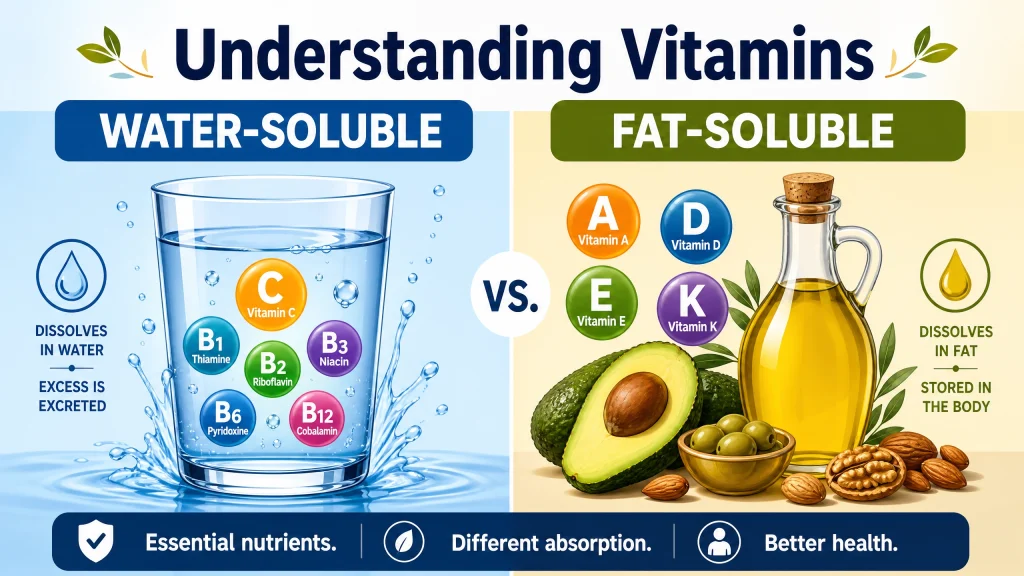
- Risk of Over-supplementation: High, isolated doses, especially of fat-soluble vitamins (A, D, E, K), can lead to toxicity.
- Variable Effectiveness: Some synthetic forms are less potent (e.g., DL-alpha-tocopherol vs. D-alpha-tocopherol).
Choose reputable brands prioritizing quality control, third-party testing, and transparency.
Buying Guide: Making an Informed Supplement Choice
Navigating the supplement market requires careful consideration:
Examine Labels and Ingredient Lists:
- Source Identification: Look for “whole food based” or specific plant/animal sources for natural options. Synthetic vitamins list chemical names (e.g., ascorbic acid).
- “Natural” vs. Truly Whole Food: Scrutinize ingredients to confirm if it’s genuinely whole-food-derived.
- Percentage Daily Value (DV): Understand what percentage of your daily needs is provided. Avoid megadoses unless professionally advised.
Prioritize Third-Party Certifications:
- USP Verified, NSF Certified: These ensure product content, purity, and proper dissolution.
- Certified Organic, Non-GMO Project Verified: For natural supplements, these indicate adherence to specific farming and genetic modification standards.
Consult a Healthcare Professional:
- Before starting any new supplement, especially with health conditions or medications, consult your doctor or a registered dietitian. They can assess your needs and recommend appropriate choices.
Practical Tips for Optimal Vitamin Intake
Beyond the natural vs. synthetic debate, optimize your vitamin intake with these tips:
- Emphasize a Whole-Food Diet: The best way to get vitamins is through diverse fruits, vegetables, whole grains, lean proteins, and healthy fats.
- Eat a Variety of Colors: Different colored produce signifies varied nutrient profiles; aim for a wide spectrum.
- Cook Smart: Minimize nutrient loss by steaming or light sautéing; avoid overcooking heat-sensitive vitamins.
- Understand Individual Needs: Factors like sun exposure, dietary restrictions (e.g., veganism), and age influence requirements.
- Regular Health Check-ups: Blood tests can identify deficiencies, guiding targeted supplementation.
FAQ: Your Key Questions Answered
Q: Are “food-derived” and “natural” terms interchangeable?
A: Not always. “Natural” can be broad. “Food-derived” specifies extraction from whole foods. Always check ingredient lists for clarity.
Q: Can synthetic vitamins cause harm?
A: Generally safe when directed. Excessive doses, especially of fat-soluble vitamins (A, D, E, K), can lead to toxicity. Adhere to recommended dosages and consult a professional.
Q: Are natural vitamins always absorbed better?
A: Not necessarily. Many synthetic vitamins show comparable or even superior bioavailability (e.g., folic acid). Absorption depends on the specific vitamin, its form, and individual factors.
Q: How do I identify a vitamin deficiency?
A: Symptoms vary (fatigue, brittle nails, etc.). A blood test ordered by your doctor is the most reliable method for diagnosis and intervention recommendations.
Q: Should I take a multi-vitamin?
A: A multi-vitamin can help fill general dietary gaps. Most contain synthetic vitamins; whole-food-based options exist. Best choice depends on individual needs and professional advice.
Conclusion: Navigating Your Path to Optimal Vitamin Intake
The natural versus synthetic vitamin debate is nuanced. Both offer valid pathways to supplementing your diet, depending on the specific vitamin, individual needs, budget, and philosophy. Natural vitamins offer a complex matrix, while synthetic ones provide precise dosing, affordability, and proven efficacy.
Ultimately, a balanced, whole-food-rich diet is paramount. Supplements, regardless of source, serve as supportive tools. When choosing, prioritize quality, transparency, and third-party certifications. Most importantly, consult with a healthcare professional or registered dietitian. Their tailored guidance will empower you to make informed decisions for optimal well-being.
“`
