Post
The Link Between Vitamins and a Healthy Heart
Jun
The Link Between Vitamins and a Healthy Heart
Our heart, an incredible and tireless organ, is central to our well-being. It continuously circulates blood, delivering vital oxygen and nutrients throughout the body. While genetics, exercise, and lifestyle choices are well-known contributors to heart health, the role of nutrition, specifically the intake of essential vitamins and minerals, is equally fundamental. In today’s fast-paced world, where diets often lack nutrient density, understanding how these micronutrients support our cardiovascular system is more crucial than ever.
This comprehensive article delves into the intricate relationship between various vitamins, minerals, and other key nutrients and their profound impact on heart health. We will explore how these dietary powerhouses contribute to everything from maintaining healthy blood pressure and managing cholesterol to ensuring the integrity of our blood vessels and the strength of our heart muscle. By illuminating this vital link, we aim to empower you with the knowledge to nourish your heart effectively, fostering a lifetime of cardiovascular vitality.
Understanding Heart Health: A Foundation
A “healthy heart” signifies more than just the absence of disease; it implies optimal function across several critical areas. This includes efficient blood pumping, flexible and clear arteries, stable blood pressure within normal ranges, and effective cholesterol management. Factors like chronic inflammation, oxidative stress, and endothelial dysfunction (damage to the inner lining of blood vessels) can gradually compromise cardiovascular health. A diet rich in essential nutrients acts as a primary defense, providing the necessary building blocks and protective agents for the heart’s complex processes to function without impediment.
Every cellular process within the cardiovascular system, from muscle contraction to nerve signaling, relies on a steady supply of micronutrients. These dietary components are not merely beneficial; they are foundational. Without adequate intake, the heart becomes more vulnerable to stressors, less capable of self-repair, and more susceptible to chronic conditions that can significantly impact quality of life and longevity. Recognizing this fundamental connection is the essential first step towards comprehensive, proactive heart care.
Key Vitamins and Minerals for Cardiovascular Support
A balanced intake of specific vitamins and minerals is vital for supporting your heart’s health. Here’s a look at some of the most impactful players:
Vitamin D: The Sunshine Nutrient for Your Cardiovascular System
Often celebrated for its role in bone health, Vitamin D’s significance for the heart is increasingly recognized. Research links Vitamin D deficiency to elevated risks of high blood pressure, inflammation, and heart disease. It aids in regulating blood pressure, reducing arterial stiffness, and improving endothelial function. Adequate Vitamin D levels help prevent the hardening of arteries and contribute to a healthy inflammatory response. While sunlight exposure is a primary source, dietary intake from fatty fish or fortified foods, along with thoughtful supplementation, can be crucial.
B Vitamins (B6, B9/Folate, B12): Guardians Against Homocysteine
The B-vitamin complex, particularly vitamins B6, B9 (folate), and B12, is indispensable for metabolizing homocysteine, an amino acid. Elevated homocysteine levels are a known risk factor for cardiovascular disease and stroke, as they can damage artery walls and promote blood clot formation. These B vitamins work synergistically to convert homocysteine into less harmful substances, effectively keeping its levels in check. They are abundant in leafy greens, legumes, whole grains, and lean meats.
Magnesium: The Heart’s Essential Relaxant
Magnesium participates in over 300 biochemical reactions in the body, many directly impacting heart health. It’s critical for maintaining a stable heart rhythm, regulating blood pressure, and supporting healthy nerve and muscle function. Magnesium helps relax blood vessels, contributing to lower blood pressure, and plays a role in the proper transport of other vital electrolytes like potassium and calcium. Deficiency is common and can contribute to arrhythmias, hypertension, and overall cardiovascular strain. Excellent sources include nuts, seeds, dark leafy greens, and whole grains.
Potassium: Balancing Blood Pressure Naturally
As a key electrolyte, potassium works to balance sodium levels in the body, which is vital for maintaining healthy blood pressure. A diet rich in potassium helps counteract the negative effects of excessive sodium intake, a major contributor to hypertension. By facilitating the excretion of excess sodium and promoting the relaxation of blood vessel walls, potassium significantly contributes to blood pressure reduction and lowers the risk of stroke and heart disease. Include plenty of fruits (bananas, oranges, avocados) and vegetables (spinach, broccoli) for optimal intake.
Coenzyme Q10 (CoQ10): The Heart’s Energy Booster
CoQ10 is a powerful antioxidant naturally produced by the body, with the highest concentrations found in energy-intensive organs like the heart. It is crucial for cellular energy production (ATP) and protects cells from oxidative damage. CoQ10 levels naturally decline with age and can be depleted by certain medications, such as statins. Supplementation may benefit individuals with heart failure, high blood pressure, or those taking statins, potentially improving heart muscle function and overall cardiovascular energy. Small amounts are found in meats, fish, and nuts.
Omega-3 Fatty Acids (EPA & DHA): Potent Anti-Inflammatory Agents
While not a vitamin, Omega-3 fatty acids, specifically EPA and DHA, are fundamental for cardiovascular health. They are renowned for their potent anti-inflammatory properties, ability to lower triglyceride levels, reduce blood pressure, decrease the risk of abnormal heart rhythms, and improve endothelial function. Omega-3s are vital for maintaining cellular membrane fluidity and promoting overall cardiovascular resilience. Rich dietary sources include fatty fish like salmon, mackerel, and sardines, as well as plant-based options such as flaxseeds, chia seeds, and walnuts.
Beyond the Basics: Essential Nutrients You Might Overlook
Beyond the well-known heart-healthy vitamins and minerals, several other nutrients play complementary yet crucial roles in maintaining cardiovascular wellness.
Antioxidants (Vitamins C, E, Selenium): Protecting Against Damage
Vitamins C and E, along with the mineral selenium, are potent antioxidants that shield heart cells and blood vessels from oxidative stress caused by free radicals. Oxidative stress can damage artery walls, contributing to plaque buildup and atherosclerosis. Vitamin C supports strong blood vessel walls and nitric oxide production, which is essential for vessel relaxation. Vitamin E helps prevent the oxidation of LDL cholesterol, a key step in plaque formation. Selenium is integral to the body’s antioxidant enzyme systems. A diverse intake of colorful fruits and vegetables ensures ample supply.
Fiber: The Gut-Heart Axis
Dietary fiber, particularly soluble fiber found in oats, beans, fruits, and vegetables, is indispensable for heart health. It binds to cholesterol in the digestive tract, facilitating its removal from the body and effectively lowering LDL (“bad”) cholesterol levels. Fiber also supports a healthy gut microbiome, which is increasingly recognized for its influence on cardiovascular health, including blood pressure and inflammation markers. A high-fiber diet is a cornerstone of heart-healthy eating patterns.
Flavonoids and Polyphenols: Plant-Powered Vascular Support
These powerful phytonutrients, abundant in fruits, vegetables, tea, and dark chocolate, offer significant antioxidant and anti-inflammatory benefits. They support heart health by enhancing endothelial function, improving blood flow, and contributing to reduced blood pressure. Specific flavonoids like quercetin (onions, apples), catechins (green tea), and anthocyanins (berries) have demonstrated notable cardiovascular protective effects. Consuming a wide array of plant-based foods naturally provides a spectrum of these protective compounds.
Benefits of a Vitamin-Rich Diet for Your Heart
Embracing a diet rich in essential vitamins and minerals offers comprehensive benefits for your heart, actively promoting its optimal function and resilience:
- Improved Blood Pressure Regulation: Nutrients like potassium, magnesium, and Vitamin D contribute to maintaining healthy blood pressure levels by influencing vascular tone and fluid balance.
- Enhanced Cholesterol Management: Fiber, specific antioxidants, and Omega-3 fatty acids help lower LDL (bad) cholesterol and support healthy HDL (good) cholesterol levels, reducing arterial plaque buildup.
- Reduced Inflammation: Many vitamins (C, E, D) and Omega-3s possess potent anti-inflammatory properties, mitigating chronic inflammation that can damage blood vessels.
- Protection Against Oxidative Stress: Antioxidant vitamins (C, E) and minerals (selenium) combat free radical damage, preventing the oxidation of cholesterol and arterial walls.
- Stronger Heart Muscle Function: CoQ10 is vital for the energy production of heart muscle cells, ensuring efficient pumping. Magnesium also supports proper heart muscle contraction and rhythm.
- Better Blood Vessel Elasticity: Nutrients like Vitamin C support collagen formation, essential for healthy, flexible blood vessel walls, while Vitamin D aids in endothelial function.
- Lowered Risk of Cardiovascular Diseases: Collectively, these benefits translate into a significantly reduced risk of developing conditions such as coronary artery disease, stroke, and heart failure.
Navigating Supplements: A Buying Guide
While a food-first approach is always paramount, supplements can complement your diet, especially when addressing specific deficiencies or increased needs. Informed choices are crucial in the often-unregulated supplement market.
- Consult Your Healthcare Provider: Always discuss any supplement regimen with your doctor or a registered dietitian first. They can assess your individual needs, identify potential deficiencies, and advise on interactions with medications or existing health conditions.
- Prioritize Whole Foods: Remember that supplements are intended to “supplement” your diet, not replace nutrient-rich whole foods. Maintain a balanced, diverse diet as your primary source of vitamins and minerals.
- Look for Quality Certifications: Choose reputable brands that undergo third-party testing (e.g., certifications from NSF International, USP, ConsumerLab.com). These ensure product purity, potency, and freedom from contaminants.
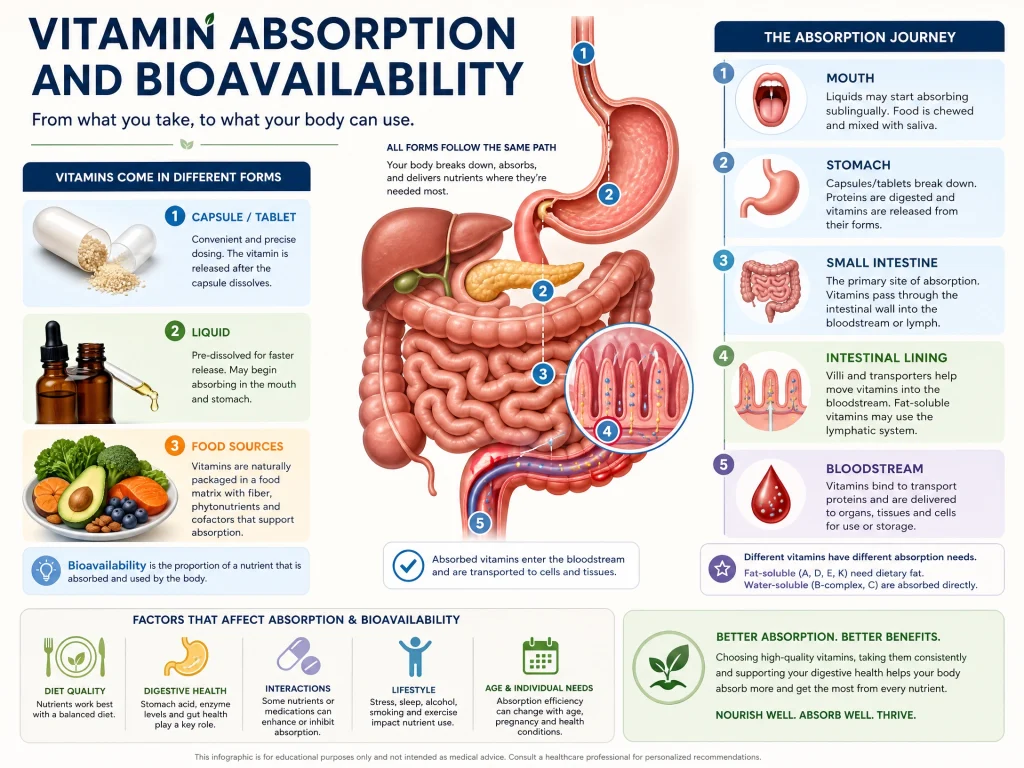
- Understand Dosage and Forms: More is not always better. Excessive intake of certain vitamins (especially fat-soluble A, D, E, K) and minerals can be toxic. Adhere strictly to recommended daily allowances or professional guidance. Research bioavailable forms, e.g., magnesium citrate for better absorption.
- Beware of Exaggerated Claims: Be skeptical of products promising “miracle cures.” Sustainable heart health benefits stem from consistent, long-term healthy habits, not quick fixes.
Practical Tips for Incorporating Heart-Healthy Nutrients
Integrating heart-supportive vitamins and minerals into your daily routine is achievable with simple, consistent changes:
- Eat a Rainbow of Produce: Aim for a wide variety of colorful fruits and vegetables daily. Each color often signifies different phytonutrients and antioxidants beneficial for heart health.
- Choose Whole Grains: Opt for whole grains like oats, quinoa, brown rice, and whole wheat bread over refined grains. They are rich in fiber, B vitamins, and magnesium.
- Embrace Healthy Fats: Include sources of Omega-3s such as fatty fish (salmon, mackerel, sardines) 2-3 times weekly. Incorporate avocados, nuts, and seeds (flax, chia, walnuts) for healthy mono- and polyunsaturated fats.
- Add Legumes to Your Diet: Beans, lentils, and chickpeas are powerhouses of fiber, B vitamins, magnesium, and potassium. They are versatile additions to meals.
- Limit Processed Foods: Highly processed items are often low in essential nutrients and high in unhealthy fats, sodium, and added sugars. Reducing them makes room for nutrient-dense options.
- Hydrate Adequately: While not a direct nutrient source, sufficient water intake is crucial for overall bodily functions, including nutrient transport and waste elimination, supporting cardiovascular health.
- Cook Smart: Utilize gentle cooking methods like steaming, baking, or light sautéing to retain more heat-sensitive vitamins compared to deep-frying.
- Mindful Snacking: Replace sugary or unhealthy snacks with nutrient-rich alternatives like a handful of nuts, fresh fruit, or vegetable sticks with hummus.
Frequently Asked Questions About Vitamins and Heart Health
Q: Can vitamins cure heart disease?
A: No, vitamins are not a cure for established heart disease. However, a diet rich in essential vitamins and minerals, often supplemented if necessary, plays a critical role in preventing heart disease and managing its progression by supporting various cardiovascular functions and reducing risk factors.
Q: Are multivitamins sufficient for heart protection?
A: While a good quality multivitamin can fill some general nutritional gaps, it may not provide optimal levels of all heart-protective nutrients, especially for specific deficiencies. For instance, the amounts of Omega-3s or Vitamin D in a standard multivitamin might be minimal. A targeted approach based on diet and individual needs is usually more effective.
Q: What’s the best way to get heart-healthy nutrients?
A: The most effective and recommended way is through a balanced, whole-food diet rich in fruits, vegetables, whole grains, lean proteins, and healthy fats. Foods offer a complex matrix of nutrients, fiber, and phytonutrients that work synergistically in ways supplements often cannot replicate.
Q: Can I take too many vitamins for my heart?
A: Yes, absolutely. Excessive intake of certain vitamins (especially fat-soluble vitamins like A, D, E, K) and minerals can be harmful and lead to toxicity, which may have negative effects on heart health or overall well-being. Always adhere to recommended dosages and consult a healthcare professional before taking high doses of any supplement.
Q: How long does it take to see benefits from a heart-healthy diet?
A: The benefits of a heart-healthy diet are cumulative and long-term. While some immediate improvements in energy or digestion might be noticed within weeks, significant cardiovascular changes, such as improved cholesterol levels or blood pressure, typically require months of consistent effort. It’s a journey of continuous support for your heart.
Q: Should everyone with a family history of heart disease take heart-specific vitamin supplements?
A: A family history of heart disease is a significant risk factor, making a proactive approach to diet and lifestyle even more important. However, blanket supplementation without professional guidance is not advisable. Individuals should consult their doctor to assess their specific risk profile, current nutrient status, and determine if targeted supplementation might be beneficial alongside dietary changes.
Conclusion
The profound connection between our diet and the health of our heart is irrefutable. While no single vitamin or mineral serves as a magic solution, a consistent and mindful intake of a broad spectrum of these essential micronutrients establishes a robust foundation for enduring cardiovascular wellness. From regulating blood pressure and managing cholesterol to combating inflammation and strengthening heart muscle, the roles played by vitamins, minerals, and other key nutrients are fundamental to preventing disease and fostering a vibrant, long-lasting heart.
Embracing a lifestyle that prioritizes whole, unprocessed foods, abundant with nature’s bounty, remains the most effective strategy. Supplements, when chosen wisely and utilized under professional guidance, can serve as valuable allies in bridging specific nutritional gaps. By understanding and honoring the intricate link between what we consume and the vitality of our heart, we empower ourselves to make conscious choices that pave the way for a healthier, happier future. Your heart works tirelessly for you; nourishing it diligently in return is a profound investment in your overall well-being.
“`
