Post
Combat Stress Naturally: Vitamins That Support Mental Well-being
Jun
Combat Stress Naturally: Vitamins That Support Mental Well-being
In our fast-paced modern world, stress has become an unwelcome constant for many. Whether stemming from work pressures, personal challenges, or the sheer volume of daily demands, its pervasive presence can take a significant toll on both our physical and mental health. While lifestyle adjustments are crucial, an often-overlooked ally in the fight against stress is proper nutrition, particularly the targeted use of vitamins and minerals. This comprehensive guide will explore how specific vitamins can act as powerful natural tools to bolster your mental well-being, helping you not just cope with stress, but thrive despite it. Dive into the science-backed world of nutritional support and discover how to combat stress naturally and effectively.
The Modern Stress Epidemic: Understanding Its Impact
Stress is more than just a feeling; it’s a complex physiological response designed to help us react to perceived threats. In primitive times, this “fight or flight” mechanism was vital for survival. However, in contemporary society, the threats are rarely life-threatening predators but rather relentless deadlines, financial worries, and information overload. Our bodies, however, often react with the same intensity.
Chronic stress can lead to a cascade of negative effects throughout the body. Mentally, it manifests as anxiety, irritability, difficulty concentrating, and even symptoms of depression. Physically, it can contribute to high blood pressure, weakened immune function, digestive issues, sleep disturbances, and chronic fatigue. The constant activation of the stress response system depletes essential nutrients and disrupts delicate hormonal balances, creating a vicious cycle that can be hard to break. Recognizing stress not just as a mental state but as a whole-body phenomenon is the first step towards effectively managing it.
The Role of Nutrition in Stress Management
Our brain, the command center for our emotions and stress responses, is incredibly demanding. It requires a constant supply of specific nutrients to function optimally. A diet rich in processed foods, sugar, and unhealthy fats can exacerbate stress by promoting inflammation and contributing to nutritional deficiencies. Conversely, a diet abundant in whole, unprocessed foods provides the building blocks for neurotransmitters, hormones, and energy production, all vital for robust mental health.
When under stress, the body’s demand for certain nutrients increases dramatically. For instance, the adrenal glands, responsible for producing stress hormones like cortisol, consume large amounts of Vitamin C. The nervous system requires a steady supply of B vitamins to regulate mood and energy. Without adequate nutritional support, the body struggles to maintain balance, making us more vulnerable to the detrimental effects of stress. This is where targeted supplementation, alongside a healthy diet, can play a pivotal role in strengthening our resilience and restoring equilibrium.
Key Vitamins and Minerals for Mental Well-being
B Vitamins: The Energy & Mood Regulators
The B vitamin complex is a powerhouse group of eight water-soluble vitamins crucial for brain function, energy production, and the synthesis of neurotransmitters that regulate mood. Often referred to as “anti-stress vitamins,” they play interconnected roles in supporting the nervous system and combating fatigue.
- Vitamin B1 (Thiamine): Essential for converting glucose into energy, crucial for nerve cell function. Deficiency can lead to irritability and poor concentration.
- Vitamin B3 (Niacin): Involved in serotonin synthesis, a key neurotransmitter for mood regulation.
- Vitamin B5 (Pantothenic Acid): Supports adrenal gland function and the production of stress hormones.
- Vitamin B6 (Pyridoxine): Vital for the production of serotonin, norepinephrine, and melatonin, which influence mood and sleep.
- Vitamin B9 (Folate/Folic Acid): Important for neurotransmitter synthesis and plays a role in mood regulation.
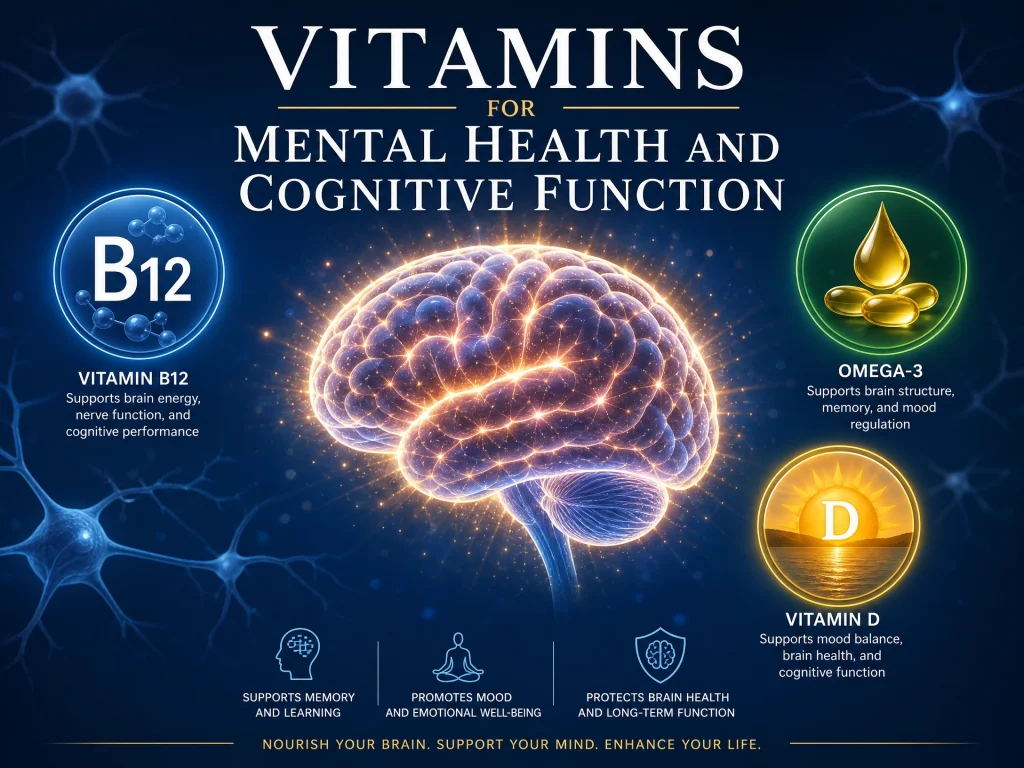
- Vitamin B12 (Cobalamin): Crucial for nerve health and the production of myelin, the protective sheath around nerves. Deficiency is linked to fatigue, depression, and cognitive issues.
Food Sources: Whole grains, lean meats, eggs, dairy, leafy green vegetables, legumes, nuts, and seeds.
Vitamin D: The Sunshine Hormone for Your Brain
Often associated with bone health, Vitamin D’s role in mental well-being is increasingly recognized. Receptors for Vitamin D are found throughout the brain, particularly in areas associated with mood regulation, such as the hypothalamus and hippocampus. Studies suggest a link between low Vitamin D levels and increased risk of depression, anxiety, and seasonal affective disorder (SAD).
Vitamin D is believed to influence the production of serotonin, a neurotransmitter critical for mood and happiness. It also plays a role in reducing inflammation and protecting neurons, contributing to overall brain health. Adequate levels of this vitamin can significantly enhance resilience against stress.
Food Sources: Fatty fish (salmon, mackerel), fortified dairy products, egg yolks. The primary source is sunlight exposure.
Magnesium: The Ultimate Relaxation Mineral
Magnesium is an essential mineral involved in over 300 biochemical reactions in the body, many of which are directly related to stress and mood. It’s often called nature’s tranquilizer because of its ability to promote relaxation and reduce anxiety.
Magnesium helps regulate neurotransmitters, including GABA (gamma-aminobutyric acid), which has calming effects on the brain. It also supports healthy nerve function, muscle relaxation, and aids in quality sleep – all crucial for stress management. Chronic stress can deplete magnesium levels, creating a vicious cycle where stress leads to deficiency, which in turn exacerbates stress and anxiety.
Food Sources: Dark leafy greens, nuts (almonds, cashews), seeds (pumpkin, chia), legumes, whole grains, dark chocolate, avocados.
Vitamin C: An Antioxidant Against Stress
While commonly known for its immune-boosting properties, Vitamin C is also a critical player in the body’s stress response. The adrenal glands, which produce stress hormones, contain some of the highest concentrations of Vitamin C in the body, depleting quickly during periods of stress.
Vitamin C is a powerful antioxidant, protecting the body’s cells, including brain cells, from oxidative stress and damage caused by free radicals generated during stressful periods. It also aids in the synthesis of neurotransmitters like norepinephrine, which helps the body respond to stress, and dopamine, essential for motivation and pleasure.
Food Sources: Citrus fruits, bell peppers, strawberries, broccoli, kiwi, tomatoes.
Zinc: Supporting Neurotransmitter Function
Zinc is an often-overlooked trace mineral that plays a vital role in brain health and stress management. It’s involved in modulating neurotransmitter activity, including GABA and glutamate, which are key players in mood and cognitive function. Zinc also influences neuronal communication and plays a protective role against oxidative stress in the brain.
Deficiency in zinc has been linked to increased anxiety, depression, and impaired cognitive function. Adequate zinc levels are essential for maintaining a balanced mood and enhancing the brain’s ability to cope with stressors.
Food Sources: Oysters, red meat, poultry, beans, nuts, fortified cereals, dairy products.
Choline: For Cognitive Health and Stress Response
Choline is an essential nutrient, often grouped with B vitamins, that is critical for brain health and cognitive function. It’s a precursor to acetylcholine, a neurotransmitter vital for memory, mood, muscle control, and other brain and nervous system functions. Adequate choline intake can support overall brain resilience and may help mitigate the cognitive impacts of stress.
It also plays a role in liver function and fat metabolism, indirectly supporting overall body health which contributes to a better stress response. Ensuring sufficient choline can support a clearer mind and a more stable mood, crucial when navigating stressful situations.
Food Sources: Egg yolks, beef liver, soybeans, chicken, fish, nuts, certain vegetables like broccoli and Brussels sprouts.
The Comprehensive Benefits of Nutritional Support for Stress Relief
Integrating these vital nutrients into your daily regimen offers a multitude of benefits that extend far beyond simply “reducing stress.” By addressing the underlying biochemical needs of your brain and body, you can cultivate a robust defense against life’s pressures.
- Improved Mood and Emotional Stability: Key vitamins like B vitamins and Vitamin D facilitate the production of neurotransmitters such as serotonin and dopamine, leading to a more balanced and positive mood.
- Enhanced Cognitive Function: Nutrients like B vitamins, Zinc, and Choline support memory, focus, and overall brain processing speed, helping you think clearly even under pressure.
- Increased Energy Levels and Reduced Fatigue: B vitamins are central to energy metabolism, combating the exhaustion often associated with chronic stress. Magnesium also plays a role in energy production.
- Better Sleep Quality: Magnesium and B vitamins contribute to relaxation and the regulation of sleep-wake cycles, leading to more restorative rest.
- Stronger Resilience to Stress: By providing the building blocks for a healthy nervous system and adrenal function, these nutrients fortify your body’s natural ability to cope with stressors.
- Reduced Physical Symptoms of Stress: From muscle tension (thanks to magnesium) to improved digestion, nutritional support can alleviate many of the bodily manifestations of stress.
- Antioxidant Protection: Vitamin C and Zinc offer powerful antioxidant properties, protecting cells from damage caused by stress-induced free radicals.
How to Choose the Right Supplements: A Smart Buying Guide
While obtaining nutrients from food is always ideal, modern diets and heightened stress levels can sometimes necessitate supplementation. Choosing the right supplements requires careful consideration to ensure efficacy and safety.
- Consult a Healthcare Professional: Before starting any new supplement regimen, especially if you have underlying health conditions or are taking medications, consult your doctor or a registered dietitian. They can assess your individual needs, identify potential deficiencies, and recommend appropriate dosages.
- Look for High-Quality Brands: Opt for reputable brands that prioritize quality, purity, and transparency. Research companies that conduct third-party testing to verify ingredients and ensure products are free from contaminants.
- Check for Bioavailability: Some forms of vitamins and minerals are absorbed better by the body than others. For example, magnesium citrate, glycinate, or threonate are generally more bioavailable than magnesium oxide. Look for methylcobalamin over cyanocobalamin for Vitamin B12, and methylfolate over folic acid for B9.
- Consider Combination Formulas: Sometimes, a B-complex vitamin or a multivitamin formulated for stress support can be beneficial, as many nutrients work synergistically.
- Read Labels Carefully: Pay attention to dosage, ingredients, and any potential allergens. Ensure the product doesn’t contain unnecessary fillers, artificial colors, or sweeteners.
- Start Low and Go Slow: Begin with the lowest effective dose and gradually increase if needed, under professional guidance. Monitor how your body responds.
- Store Properly: Follow storage instructions on the label to maintain the potency of your supplements.
Beyond Supplements: Practical Tips for a Holistic Approach to Stress
While vitamins and minerals are powerful allies, they are most effective when integrated into a broader, holistic strategy for stress management. A truly resilient mind and body are built on a foundation of healthy habits.
- Prioritize a Whole-Food Diet: Emphasize fruits, vegetables, whole grains, lean proteins, and healthy fats. Limit processed foods, sugar, and excessive caffeine, which can exacerbate stress.
- Regular Physical Activity: Exercise is a natural stress reliever. It helps reduce stress hormones, stimulates endorphins, and improves mood. Aim for at least 30 minutes of moderate activity most days of the week.
- Adequate Sleep: Poor sleep significantly impairs your ability to cope with stress. Establish a consistent sleep schedule, create a relaxing bedtime routine, and ensure your sleep environment is conducive to rest.
- Mindfulness and Meditation: Practices like meditation, deep breathing exercises, and yoga can help calm the nervous system, reduce ruminative thoughts, and enhance your ability to stay present.
- Connect with Others: Social support is a powerful buffer against stress. Spend time with loved ones, talk about your feelings, and engage in community activities.
- Limit Screen Time: Excessive exposure to screens, especially before bed, can disrupt sleep and contribute to mental fatigue. Take breaks from digital devices.
- Practice Time Management: Learning to prioritize tasks, set boundaries, and delegate can significantly reduce feelings of overwhelm.
- Stay Hydrated: Dehydration can impact mood and concentration. Drink plenty of water throughout the day.
- Engage in Hobbies: Make time for activities you enjoy. Hobbies can provide a much-needed mental break and a sense of accomplishment.
Frequently Asked Questions (FAQ)
Q1: How long does it take to see results from taking vitamins for stress?
A1: The timeframe for seeing results can vary significantly depending on the individual, the severity of the deficiency, and consistency of intake. Some people may notice subtle improvements in mood or energy within a few weeks, while for others, it might take several months to experience more profound changes. It’s crucial to be patient and consistent, and to combine supplementation with other healthy lifestyle practices.
Q2: Can I get all the necessary vitamins for stress relief through diet alone?
A2: While a well-balanced, whole-food diet is the foundation for good health, achieving optimal levels of certain nutrients purely through diet can be challenging, especially during periods of high stress. Soil depletion, food processing, and individual genetic variations can all impact nutrient absorption. For some, targeted supplementation can effectively bridge nutritional gaps and provide therapeutic doses needed to combat stress.
Q3: Are there any side effects or risks associated with taking these vitamins?
A3: Generally, when taken within recommended dosages, most vitamins and minerals are safe. However, excessive intake of certain fat-soluble vitamins (like Vitamin D) or minerals (like Zinc) can lead to toxicity. High doses of B vitamins can occasionally cause mild side effects. It’s imperative to follow dosage instructions and consult a healthcare professional, especially if you are pregnant, nursing, or have pre-existing medical conditions.
Q4: Should I take a multivitamin or individual supplements for stress?
A4: This depends on your individual needs. A high-quality multivitamin can provide a foundational level of nutrients. However, if you have specific deficiencies or heightened needs for certain nutrients due to stress, individual supplements (e.g., a B-complex, magnesium, or extra Vitamin D) might be more effective. A healthcare professional can help you determine the best approach based on blood tests and your health history.
Conclusion
Navigating the complexities of modern life with its inherent stressors requires a multifaceted approach. While managing external pressures through lifestyle adjustments is vital, supporting your internal biochemistry with the right nutrients offers a powerful and often overlooked strategy. Vitamins such as the B complex, Vitamin D, Magnesium, Vitamin C, Zinc, and Choline are not merely supplements; they are essential building blocks that empower your brain and body to respond to stress more effectively, regulate mood, enhance cognitive function, and improve sleep.
Embracing a holistic approach — one that combines targeted nutritional support with a nutrient-rich diet, regular exercise, adequate sleep, and mindfulness practices — is your strongest defense against the debilitating effects of stress. By making informed choices about your nutrition and lifestyle, you can naturally strengthen your resilience, cultivate inner calm, and unlock a pathway to sustained mental well-being. Start today, and reclaim your peace of mind, one nutrient at a time.
“`
