Post
Beyond Carrots: Unlock the Vision Benefits of Vitamin A
Jun
Beyond Carrots: Unlock the Vision Benefits of Vitamin A
For generations, the message has been clear: “Eat your carrots for good eyesight!” While this wisdom holds a kernel of truth, it barely scratches the surface of Vitamin A’s profound and multifaceted role in maintaining optimal vision and overall eye health. This essential nutrient, often synonymous with its orange-hued vegetable ambassador, is a powerhouse for your ocular system, involved in everything from seeing in dim light to protecting against debilitating age-related eye diseases.
In this comprehensive guide, we’ll delve deep into the science behind Vitamin A, exploring how it fuels the intricate mechanisms of your eyes. We’ll move beyond the common narrative, uncovering a broader spectrum of its benefits, identifying diverse dietary sources, understanding the signs of deficiency, and guiding you through responsible supplementation. Prepare to gain a clearer vision of how Vitamin A is truly a cornerstone of lifelong eye health.
The Science Behind Vision: How Vitamin A Fuels Your Eyes
At the heart of Vitamin A’s critical role in vision is its involvement in the visual cycle, a biochemical process that allows your eyes to detect light and send signals to the brain. This cycle primarily occurs in the retina, a light-sensitive layer at the back of your eye, specifically within specialized cells called photoreceptors – rods and cones.
The star player here is a form of Vitamin A called retinal (or retinaldehyde). It’s a crucial component of a light-absorbing protein called rhodopsin, found abundantly in the rod cells. Rods are responsible for scotopic vision, which means they are highly sensitive to low light levels and enable us to see in dim conditions and at night. When light strikes rhodopsin, it causes a conformational change in the retinal molecule, triggering a cascade of electrical signals that are ultimately sent to the brain, where they are interpreted as visual information.
This process, however, isn’t a one-way street. After light exposure, the retinal molecule detaches from rhodopsin and must be regenerated back into its active form to be reincorporated into new rhodopsin. This regeneration process is highly dependent on a continuous supply of Vitamin A. Without adequate Vitamin A, the visual cycle falters, leading to impaired vision, especially in low light. This explains why one of the earliest and most classic symptoms of Vitamin A deficiency is night blindness (nyctalopia).
While Vitamin A’s role in cone cells (responsible for color vision and detail in bright light) is less direct, its overall contribution to the health and structural integrity of the retina and other ocular tissues ensures that both rods and cones can function optimally. It’s truly the fuel that powers your eyes’ ability to perceive the world around you.
Beyond Night Vision: The Broader Spectrum of Vitamin A’s Ocular Benefits
While its fame for enhancing night vision is well-deserved, Vitamin A’s contributions to eye health extend far beyond just seeing in the dark. It plays a pivotal role in maintaining the structural integrity and optimal function of various parts of the eye, offering a protective shield against numerous ocular ailments. Here’s a closer look at its extensive benefits:
Crucial for Healthy Cornea and Conjunctiva
The cornea, the clear outer layer of your eye, and the conjunctiva, the membrane lining your eyelids and covering the white part of your eye, both rely on Vitamin A for proper cell differentiation and health. Vitamin A helps maintain the moist surface of these tissues, preventing them from drying out. A deficiency can lead to xerophthalmia, a progressive eye disease characterized by severe dryness, corneal ulcers, and ultimately, blindness.
Protection Against Dry Eye Syndrome
Vitamin A helps in the production of tears and the lubrication of the eye’s surface. For individuals suffering from chronic dry eyes, adequate Vitamin A intake can improve the quality and quantity of tears, reducing discomfort, irritation, and the risk of corneal damage. It plays a role in the health of mucin-secreting goblet cells in the conjunctiva, which are vital for maintaining the tear film.
Reduced Risk of Age-Related Macular Degeneration (AMD)
AMD is a leading cause of vision loss in older adults, affecting the macula, the central part of the retina responsible for sharp, detailed vision. Vitamin A, particularly in its provitamin A carotenoid forms like beta-carotene, acts as a powerful antioxidant. It helps protect the delicate cells of the retina from oxidative stress and damage caused by free radicals, which are implicated in the development and progression of AMD. Studies, such as the Age-Related Eye Disease Study (AREDS), have highlighted the role of specific antioxidant vitamins, including beta-carotene, in slowing the progression of intermediate and advanced AMD.
Prevention of Cataracts
Cataracts, clouding of the eye’s natural lens, are another common age-related eye condition. The lens of the eye is particularly susceptible to oxidative damage over time. The antioxidant properties of Vitamin A and its precursors can help protect the lens proteins from damage, potentially delaying the onset or slowing the progression of cataracts. By maintaining cellular health and integrity, Vitamin A contributes to the clarity and function of the lens.
Support for Ocular Immune Function
A robust immune system is essential for protecting the eyes from infections and inflammation. Vitamin A is well-known for its role in supporting overall immune function throughout the body, including the eyes. By enhancing the body’s defenses, it helps prevent various eye infections that could otherwise compromise vision.
From the microscopic level of cell differentiation to macroscopic protection against age-related diseases, Vitamin A is undeniably a cornerstone nutrient for comprehensive eye health. Its benefits underscore the importance of ensuring adequate intake throughout all stages of life.
Dietary Delights: Primary Sources of Vitamin A for Optimal Eye Health
To fully harness the vision benefits of Vitamin A, understanding its diverse dietary sources is key. Vitamin A exists in two main forms: preformed Vitamin A (retinol) and provitamin A carotenoids, each with distinct origins and bioavailability.
Preformed Vitamin A (Retinol)
This form of Vitamin A is readily available for the body’s use and is found exclusively in animal products. It’s often referred to as “true” Vitamin A because it doesn’t require conversion once ingested. Excellent sources include:
- Liver: Beef, chicken, and fish liver are incredibly rich sources, often containing many times the daily recommended intake in a single serving.
- Fish Oils: Cod liver oil is particularly concentrated, often used as a supplement.
- Dairy Products: Milk, cheese, and yogurt, especially when fortified, contribute significant amounts.
- Eggs: The yolk is a good source of Vitamin A.
- Fatty Fish: Salmon, tuna, and mackerel contain Vitamin A, alongside beneficial omega-3 fatty acids.
While highly bioavailable, preformed Vitamin A can be stored in the body and consumed in excess, leading to toxicity. Hence, moderation is important, particularly with very high-concentration sources like liver.
Provitamin A Carotenoids (e.g., Beta-Carotene)
These are plant pigments that the body can convert into Vitamin A. They are powerful antioxidants in their own right, offering additional health benefits beyond just Vitamin A conversion. The most well-known and efficient provitamin A carotenoid is beta-carotene. Rich plant sources include:
- Orange and Yellow Vegetables:
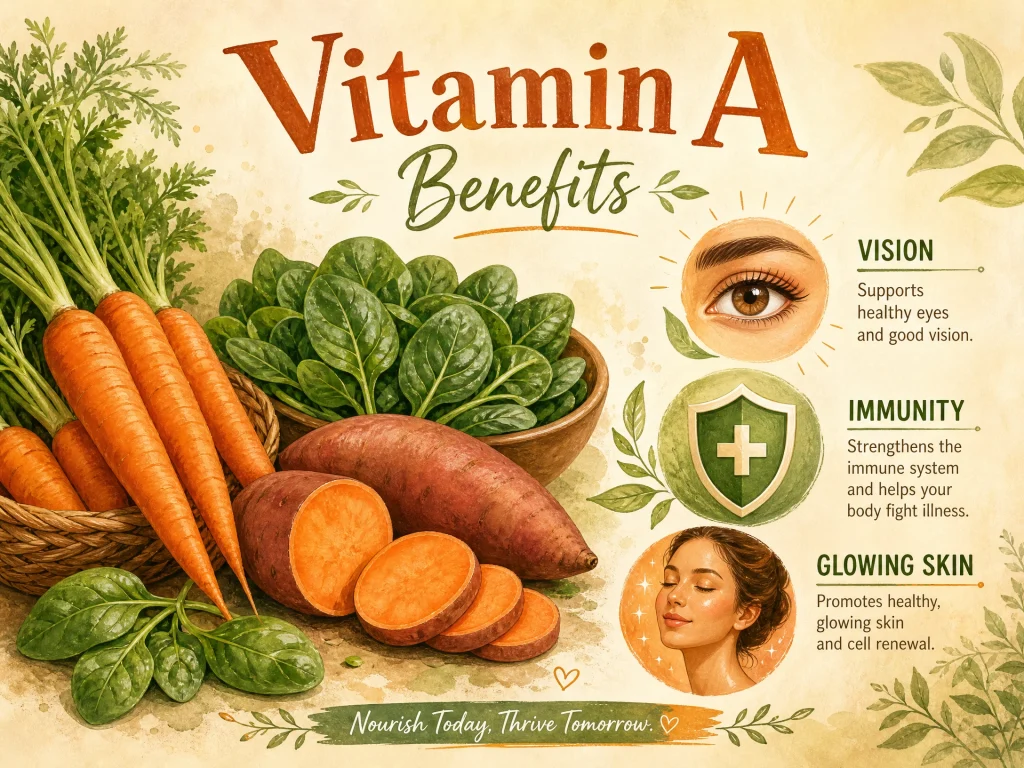
- Carrots: The classic source, loaded with beta-carotene.
- Sweet Potatoes: One of the richest plant sources.
- Pumpkin and Butternut Squash: Excellent seasonal options.
- Red and Yellow Bell Peppers: Also contribute to Vitamin A intake.
- Dark Leafy Green Vegetables:
- Spinach: Raw or cooked, it’s a great source.
- Kale: Another powerhouse of nutrients, including beta-carotene.
- Collard Greens, Swiss Chard: Provide substantial amounts.
- Orange and Yellow Fruits:
- Mangoes: A delicious tropical source.
- Apricots: Fresh or dried, they are good contributors.
- Cantaloupe: Refreshing and rich in provitamin A.
The conversion of provitamin A carotenoids to retinol is influenced by various factors, including an individual’s nutritional status, genetics, and the presence of fat in the meal (as Vitamin A is fat-soluble). Eating carotenoid-rich foods with a small amount of healthy fat (like olive oil, avocado, or nuts) can significantly enhance absorption.
By incorporating a diverse array of both animal and plant-based Vitamin A sources into your diet, you can ensure a steady and healthy supply of this vital nutrient for optimal vision and overall well-being.
Recognizing Deficiency: Signs Your Eyes Are Crying Out for Vitamin A
Despite its critical importance, Vitamin A deficiency remains a significant public health problem globally, particularly in developing countries. Even in developed nations, certain dietary patterns or medical conditions can lead to inadequate intake or absorption. Recognizing the signs of deficiency, especially those affecting the eyes, is crucial for timely intervention.
Night Blindness (Nyctalopia)
This is often the earliest and most telling symptom of Vitamin A deficiency. As explained earlier, Vitamin A is essential for the regeneration of rhodopsin in the rod cells responsible for low-light vision. When reserves are low, the eye’s ability to adapt to darkness is severely impaired, making it difficult to see or navigate in dimly lit environments after transitioning from brighter light.
Xerophthalmia: Progressive Dry Eye Disease
Xerophthalmia is a medical term encompassing a range of eye conditions resulting from severe Vitamin A deficiency, progressing through several stages:
- Conjunctival Xerosis: The conjunctiva (the membrane lining the inside of the eyelids and covering the sclera) becomes dry, thickened, and wrinkled. It loses its normal luster.
- Bitot’s Spots: These are foamy, triangular patches that appear on the conjunctiva, often on the temporal side (away from the nose). They are composed of keratin debris and sloughed epithelial cells, indicating a severe deficiency.
- Corneal Xerosis: The cornea itself becomes dry and hazy, losing its normal transparency. This significantly impairs vision.
- Corneal Ulceration and Keratomalacia: In the most severe stages, the dry cornea can develop ulcers, leading to softening and melting of the corneal tissue (keratomalacia). This can result in irreversible damage, scarring, and permanent blindness.
Impaired Immune Function Leading to Eye Infections
Beyond its direct impact on eye tissues, Vitamin A plays a vital role in the body’s immune system. A deficiency can weaken the ocular surface’s natural defenses, making the eyes more susceptible to bacterial and viral infections that can further compromise vision and eye health.
Blurred Vision and Poor Visual Acuity
As the deficiency progresses and the cornea and retina are increasingly affected, overall visual acuity can decline, leading to blurred vision and difficulty seeing clearly, even in well-lit conditions.
It’s important to note that while these symptoms directly relate to the eyes, Vitamin A deficiency also affects other bodily systems, impacting growth, immune response, and skin health. If you suspect a Vitamin A deficiency based on these symptoms, especially night blindness or persistent dry eyes, it’s imperative to consult a healthcare professional for proper diagnosis and treatment. Early intervention can prevent irreversible vision loss.
Buying Guide: Choosing Quality Vitamin A Supplements
While a balanced diet is always the preferred method for obtaining essential nutrients, there are circumstances where Vitamin A supplementation may be necessary or beneficial. However, due to the potential for toxicity with preformed Vitamin A, careful consideration and professional guidance are paramount. This buying guide will help you navigate the world of Vitamin A supplements.
When to Consider Supplementation (Always Consult a Doctor)
- Diagnosed Deficiency: If blood tests confirm a Vitamin A deficiency.
- Malabsorption Issues: Conditions like celiac disease, Crohn’s disease, cystic fibrosis, or chronic pancreatitis can impair nutrient absorption.
- Strict Vegan Diet: While rich in provitamin A carotenoids, conversion efficiency varies.
- Specific Medical Conditions: Your doctor may recommend it for certain eye conditions or overall health.
- Pregnancy and Lactation (with caution): Requirements increase, but high doses of preformed Vitamin A are teratogenic (harmful to a fetus). Beta-carotene is generally safer.
Forms of Vitamin A in Supplements
- Retinyl Palmitate/Acetate (Preformed Vitamin A): These are common forms found in supplements. They are easily absorbed and directly utilized by the body. However, they carry a higher risk of toxicity if taken in excessive doses.
- Beta-Carotene (Provitamin A Carotenoid): Often derived from plant sources. The body converts beta-carotene into Vitamin A as needed, making it generally safer regarding toxicity, as the conversion process is regulated. It also acts as an antioxidant independently.
- Mixed Carotenoids: Some supplements offer a blend of beta-carotene with other beneficial carotenoids like lutein and zeaxanthin, which are important for macular health.
Recommendation: For most people seeking general eye health support without a diagnosed deficiency, a supplement primarily containing beta-carotene or a multivitamin with a moderate dose of Vitamin A (usually a mix of preformed and provitamin A) is often safer. If preformed Vitamin A is chosen, ensure the dosage is well within the recommended daily allowance (RDA) and far below the tolerable upper intake level (UL).
Dosage and Safety
- RDA (Recommended Dietary Allowance): For adults, it’s around 700-900 micrograms (mcg) RAE (Retinol Activity Equivalents) per day. Note that Vitamin A is often listed in IU (International Units); 1 mcg RAE = 3.33 IU.
- UL (Tolerable Upper Intake Level): For preformed Vitamin A, the UL for adults is 3,000 mcg RAE (or 10,000 IU) per day. Exceeding this consistently can lead to toxicity (hypervitaminosis A), causing symptoms like headache, nausea, blurred vision, liver damage, and birth defects.
- Beta-Carotene Safety: While extremely high doses of beta-carotene (e.g., from supplements) can turn skin yellowish (carotenemia), it is generally not considered toxic in the same way as preformed Vitamin A because the body regulates its conversion. However, high-dose beta-carotene supplements are not recommended for smokers due to a potential increased risk of lung cancer.
Choosing a Quality Supplement
- Reputable Brands: Opt for well-known brands that adhere to Good Manufacturing Practices (GMP).
- Third-Party Testing: Look for supplements that have been independently tested for purity, potency, and absence of contaminants (e.g., NSF, USP verified seals).
- Ingredient Transparency: Ensure the label clearly states the form of Vitamin A, its dosage, and any other ingredients.
- Avoid Unnecessary Additives: Choose products with minimal fillers, artificial colors, or preservatives.
- Expiration Date: Always check the expiration date to ensure potency.
Remember, supplements are designed to *supplement* a healthy diet, not replace it. Always discuss any new supplement regimen with your doctor or a registered dietitian, especially if you have underlying health conditions, are pregnant, or are taking other medications.
Practical Tips: Incorporating Vitamin A Into Your Daily Routine
Maximizing your Vitamin A intake for optimal eye health doesn’t require drastic dietary overhauls. Small, consistent changes can make a significant difference. Here are some practical tips to seamlessly integrate more Vitamin A into your daily routine:
Eat a Rainbow of Fruits and Vegetables
Don’t limit yourself to just carrots! Embrace the full spectrum of colors in your produce aisle. Aim for a variety of orange, yellow, and dark leafy green vegetables and fruits. Think sweet potatoes, pumpkin, mangoes, apricots, spinach, kale, and collard greens. Each color often signifies different beneficial compounds, including provitamin A carotenoids.
Pair Carotenoids with Healthy Fats
Vitamin A is a fat-soluble vitamin, meaning it requires dietary fat for optimal absorption. When enjoying provitamin A-rich foods like salads with spinach or steamed carrots, drizzle them with a healthy fat source. This could be olive oil, avocado oil, a sprinkle of nuts or seeds, or a slice of avocado. This simple trick can significantly boost the amount of Vitamin A your body actually absorbs.
Don’t Fear Cooked Vegetables
While some nutrients can be lost during cooking, lightly cooking certain carotenoid-rich vegetables (like carrots or sweet potatoes) can actually improve the bioavailability of beta-carotene by breaking down cell walls and making the nutrient more accessible for absorption. Steaming, light sautéing, or roasting are excellent methods.
Incorporate Animal Sources Moderately
If you consume animal products, include moderate portions of Vitamin A-rich foods like eggs, dairy, and fatty fish in your diet. Liver is an exceptionally rich source, but due to its very high Vitamin A content, it should be consumed sparingly (e.g., once a week or less) to avoid excessive intake, especially if you are also consuming fortified foods or supplements.
Fortified Foods as a Backup
Many common foods, such as milk, cereals, and some margarines, are fortified with Vitamin A. While not a primary source, these can contribute to your daily intake, especially if your diet lacks variety in natural sources.
Snack Smart
Instead of processed snacks, reach for baby carrots, mango slices, or a handful of dried apricots. These are convenient and delicious ways to boost your Vitamin A intake between meals.
Stay Hydrated
While not directly related to Vitamin A absorption, adequate hydration is crucial for overall eye health, helping to maintain tear production and prevent dry eye symptoms.
Consult a Professional for Personalized Advice
If you have specific dietary restrictions, health conditions, or concerns about your Vitamin A intake, consult a registered dietitian or healthcare provider. They can offer personalized recommendations to ensure you’re meeting your nutritional needs safely and effectively.
By making conscious food choices and understanding how to best absorb this vital nutrient, you can proactively support your vision and long-term eye health.
Frequently Asked Questions About Vitamin A and Vision
Q1: Can too much Vitamin A be harmful?
A: Yes, especially with preformed Vitamin A (retinol) found in animal products and supplements. High doses can lead to hypervitaminosis A, causing symptoms like headache, nausea, dizziness, blurred vision, liver damage, bone pain, and birth defects in pregnant women. The Tolerable Upper Intake Level (UL) for adults is 3,000 mcg RAE (10,000 IU) per day. Provitamin A carotenoids like beta-carotene are generally safer, as the body converts them to Vitamin A only as needed, but extremely high supplemental doses can cause yellowing of the skin (carotenemia) and are not recommended for smokers due to a potential increased lung cancer risk.
Q2: Is beta-carotene as effective as preformed Vitamin A for vision?
A: Beta-carotene is a precursor to Vitamin A; it’s converted into retinol in the body. While essential, the conversion rate varies among individuals and is influenced by factors like genetics, digestive health, and the presence of fat in the meal. Preformed Vitamin A is directly bioavailable. For preventing deficiency, both are effective, but preformed Vitamin A is more potent. For antioxidant benefits and general eye health, beta-carotene is excellent.
Q3: Do carrots really give you superhero night vision?
A: The idea that carrots grant “superhero” night vision is largely a myth popularized during WWII. However, carrots are an excellent source of beta-carotene, which is converted to Vitamin A, a nutrient absolutely essential for normal night vision. So, while they won’t give you superhuman abilities, consuming enough Vitamin A-rich foods like carrots is crucial for maintaining healthy vision in dim light and preventing night blindness.
Q4: Can Vitamin A cure existing eye diseases like advanced AMD or cataracts?
A: Vitamin A is primarily effective in preventing or slowing the progression of certain eye diseases, especially those related to deficiency or oxidative stress, like dry eyes, night blindness, and early-stage AMD. While studies like AREDS show that specific formulations including beta-carotene can slow the progression of intermediate to advanced AMD, Vitamin A supplements cannot reverse or cure advanced conditions, nor can they treat existing cataracts. For these conditions, medical intervention or surgery is usually required. Always consult an ophthalmologist for diagnosis and treatment.
Q5: Are there any interactions between Vitamin A supplements and medications?
A: Yes, Vitamin A can interact with certain medications. High doses of Vitamin A can interfere with the absorption of Vitamin K and may increase the risk of bleeding if taken with blood thinners like warfarin. Certain cholesterol-lowering drugs (e.g., cholestyramine) can decrease Vitamin A absorption. Retinoid medications (like isotretinoin for acne) are Vitamin A derivatives, and taking additional Vitamin A supplements can lead to excessive levels and toxicity. Always inform your doctor or pharmacist about all supplements and medications you are taking.
Conclusion: A Clearer Vision for Your Future
Our journey beyond carrots has revealed Vitamin A as an indispensable nutrient for comprehensive eye health, far transcending its popular association with night vision. From fueling the intricate visual cycle and protecting against debilitating dry eyes to acting as a powerful shield against age-related macular degeneration and cataracts, Vitamin A’s role is profound and multifaceted.
By understanding its scientific underpinnings, recognizing its diverse dietary sources—both animal-based retinol and plant-derived provitamin A carotenoids—and appreciating the signs of deficiency, we can take proactive steps to safeguard our vision. While supplementation can be a valuable tool, it must be approached with caution and always under the guidance of a healthcare professional, prioritizing a diet rich in colorful, whole foods.
Embracing a lifestyle that prioritizes optimal Vitamin A intake is an investment in your long-term ocular well-being. A clear vision today and in the future begins with informed choices. So, next time you reach for a snack, remember that your eyes thrive not just on carrots, but on a vibrant palette of nutrients, with Vitamin A leading the way to a brighter, clearer world.
Beyond Carrots: Unlock the Vision Benefits of Vitamin A
For generations, the message has been clear: “Eat your carrots for good eyesight!” While this wisdom holds a kernel of truth, it barely scratches the surface of Vitamin A’s profound and multifaceted role in maintaining optimal vision and overall eye health. This essential nutrient, often synonymous with its orange-hued vegetable ambassador, is a powerhouse for your ocular system, involved in everything from seeing in dim light to protecting against debilitating age-related eye diseases.
In this comprehensive guide, we’ll delve deep into the science behind Vitamin A, exploring how it fuels the intricate mechanisms of your eyes. We’ll move beyond the common narrative, uncovering a broader spectrum of its benefits, identifying diverse dietary sources, understanding the signs of deficiency, and guiding you through responsible supplementation. Prepare to gain a clearer vision of how Vitamin A is truly a cornerstone of lifelong eye health.
The Science Behind Vision: How Vitamin A Fuels Your Eyes
At the heart of Vitamin A’s critical role is its involvement in the visual cycle, a biochemical process allowing your eyes to detect light. This cycle occurs in the retina’s photoreceptor cells – rods and cones. A key form, retinal, is crucial for rhodopsin, a light-absorbing protein in rod cells. Rods enable low-light and night vision. When light hits rhodopsin, it triggers signals to the brain, interpreted as vision.
This process requires continuous retinal regeneration. Without adequate Vitamin A, the visual cycle falters, impairing vision, especially in dim light. This is why night blindness (nyctalopia) is a classic symptom of deficiency. Vitamin A also supports the structural integrity of the retina, ensuring optimal function for both rod and cone cells.
Beyond Night Vision: The Broader Spectrum of Vitamin A’s Ocular Benefits
Vitamin A’s contributions to eye health extend far beyond just seeing in the dark. It actively maintains the structural integrity and optimal function of various parts of the eye, offering protection against numerous ocular ailments.
Crucial for Corneal and Conjunctival Health
The cornea (clear outer layer) and conjunctiva (membrane lining eyelids) rely on Vitamin A for proper cell differentiation. It helps maintain their moist surface, preventing dryness. Deficiency can lead to xerophthalmia, a progressive disease causing severe dryness and corneal ulcers.
Protection Against Dry Eye Syndrome
Vitamin A aids in tear production and eye lubrication. Adequate intake can improve tear quality and quantity, reducing irritation and corneal damage for those with chronic dry eyes. It supports mucin-secreting goblet cells vital for the tear film.
Reduced Risk of Age-Related Macular Degeneration (AMD)
AMD, a leading cause of vision loss, affects the macula. Vitamin A, especially provitamin A carotenoids like beta-carotene, acts as a powerful antioxidant. It protects retinal cells from oxidative stress implicated in AMD. Studies suggest antioxidants can slow AMD progression.
Prevention of Cataracts
Cataracts, or lens clouding, are common with age. The lens is susceptible to oxidative damage. Vitamin A’s antioxidant properties help protect lens proteins, potentially delaying onset or slowing progression. It maintains cellular health, contributing to lens clarity.
Support for Ocular Immune Function
Vitamin A is crucial for overall immune function, including within the eyes. By strengthening the body’s defenses, it helps prevent various eye infections that could compromise vision and eye health.
Dietary Delights: Primary Sources of Vitamin A for Optimal Eye Health
To fully harness Vitamin A’s vision benefits, understanding its diverse dietary sources is key. Vitamin A exists as preformed Vitamin A (retinol) and provitamin A carotenoids.
Preformed Vitamin A (Retinol)
This form is readily available and found only in animal products, often called “true” Vitamin A. Excellent sources include:
- Liver: Beef, chicken, and fish liver are incredibly rich.
- Fish Oils: Cod liver oil is highly concentrated.
- Dairy Products: Milk, cheese, and yogurt, especially fortified.
- Eggs: The yolk is a good source.
- Fatty Fish: Salmon, tuna, and mackerel.
Preformed Vitamin A is highly bioavailable but can lead to toxicity in excess, so moderation is important.
Provitamin A Carotenoids (e.g., Beta-Carotene)
These plant pigments convert to Vitamin A in the body and offer antioxidant benefits. Beta-carotene is the most efficient. Rich plant sources include:
- Orange/Yellow Vegetables: Carrots, sweet potatoes, pumpkin, butternut squash.
- Dark Leafy Greens: Spinach, kale, collard greens, Swiss chard.
- Orange/Yellow Fruits: Mangoes, apricots, cantaloupe.
Conversion efficiency varies, and eating these foods with healthy fats (e.g., olive oil, avocado) enhances absorption. A diverse diet of both animal and plant sources ensures a steady supply of this vital nutrient.
Recognizing Deficiency: Signs Your Eyes Are Crying Out for Vitamin A
Vitamin A deficiency (VAD) remains a global health concern. Recognizing its signs, especially ocular ones, is crucial for timely intervention.
Night Blindness (Nyctalopia)
Often the earliest and most telling symptom. Impaired rhodopsin regeneration in rod cells makes it difficult to see in dim light, impacting navigation after transitioning from brighter environments.
Xerophthalmia: Progressive Dry Eye Disease
This encompasses a range of VAD-related eye conditions:
- Conjunctival Xerosis: Dry, thickened conjunctiva, losing its luster.
- Bitot’s Spots: Foamy, triangular patches on the conjunctiva, indicating severe deficiency.
- Corneal Xerosis: The cornea becomes dry and hazy, impairing vision.
- Corneal Ulceration/Keratomalacia: Severe stages lead to corneal ulcers, softening, and melting, causing irreversible damage and blindness.
Impaired Ocular Immune Function
VAD weakens the eye’s natural defenses, increasing susceptibility to bacterial and viral infections that can compromise vision.
Blurred Vision and Poor Visual Acuity
As deficiency progresses, overall visual acuity can decline, causing blurred vision even in well-lit conditions.
If you suspect VAD, especially with night blindness or persistent dry eyes, consult a healthcare professional. Early intervention can prevent irreversible vision loss.
Buying Guide: Choosing Quality Vitamin A Supplements
While diet is primary, supplementation may be needed. Due to potential toxicity of preformed Vitamin A, professional guidance is crucial.
When to Consider Supplementation (Always Consult a Doctor)
- Diagnosed deficiency or malabsorption issues.
- Strict vegan diet.
- Specific medical conditions.
- Pregnancy/lactation (with caution; high preformed Vitamin A is harmful to a fetus, beta-carotene is safer).
Forms of Vitamin A in Supplements
- Retinyl Palmitate/Acetate (Preformed): Easily absorbed, directly utilized, but higher toxicity risk in excess.
- Beta-Carotene (Provitamin A): Converts to Vitamin A as needed, generally safer regarding toxicity. Also an antioxidant.
- Mixed Carotenoids: Blends with other beneficial carotenoids like lutein and zeaxanthin.
Recommendation: For general eye health without deficiency, beta-carotene or a multivitamin with moderate Vitamin A (mix of preformed and provitamin A) is safer. If preformed Vitamin A is chosen, ensure dosage is within RDA and far below UL (3,000 mcg RAE/10,000 IU daily).
Choosing a Quality Supplement
- Reputable Brands: Opt for brands adhering to Good Manufacturing Practices (GMP).
- Third-Party Testing: Look for independent verification seals (e.g., NSF, USP).
- Ingredient Transparency: Clear labeling of form, dosage, and ingredients.
- Avoid Unnecessary Additives: Choose products with minimal fillers.
Supplements enhance a healthy diet; they don’t replace it. Always discuss new regimens with your doctor or dietitian.
Practical Tips: Incorporating Vitamin A Into Your Daily Routine
Maximize Vitamin A intake with simple, consistent changes for significant eye health benefits.
Eat a Rainbow of Fruits and Vegetables
Include diverse orange, yellow, and dark leafy green produce like sweet potatoes, mangoes, spinach, and kale for various provitamin A carotenoids.
Pair Carotenoids with Healthy Fats
As a fat-soluble vitamin, Vitamin A absorption improves with healthy fats. Drizzle olive oil on salads or add avocado to meals with carotenoid-rich foods.
Don’t Fear Cooked Vegetables
Lightly cooking carrots or sweet potatoes can break down cell walls, improving beta-carotene bioavailability. Steaming or light sautéing works well.
Incorporate Animal Sources Moderately
If consumed, include eggs, dairy, and fatty fish. Liver is very rich, so consume sparingly to avoid excessive preformed Vitamin A intake.
Snack Smart
Choose baby carrots, mango slices, or dried apricots for convenient, healthy Vitamin A boosts.
Stay Hydrated
Crucial for overall eye health, supporting tear production and preventing dry eye symptoms.
Make conscious food choices and consult a professional for personalized advice to effectively support your vision and long-term eye health.
Frequently Asked Questions About Vitamin A and Vision
Q1: Can too much Vitamin A be harmful?
A: Yes, especially preformed Vitamin A (retinol). High doses cause hypervitaminosis A, leading to headache, nausea, blurred vision, liver damage, and birth defects. The UL for adults is 3,000 mcg RAE (10,000 IU) daily. Beta-carotene is safer as conversion is regulated, but high supplemental doses may cause skin yellowing and are not for smokers.
Q2: Is beta-carotene as effective as preformed Vitamin A for vision?
A: Beta-carotene is a precursor converted to retinol. While essential, conversion varies by individual and diet. Preformed Vitamin A is directly bioavailable and more potent for preventing deficiency. Both are effective, but beta-carotene also offers independent antioxidant benefits for general eye health.
Q3: Do carrots really give you superhero night vision?
A: The “superhero” night vision claim is a myth. However, carrots are rich in beta-carotene, essential for normal night vision. Consuming enough Vitamin A-rich foods, including carrots, is crucial for seeing well in dim light and preventing night blindness, but won’t grant superhuman abilities.
Q4: Can Vitamin A cure existing eye diseases like advanced AMD or cataracts?
A: Vitamin A prevents or slows progression, especially for deficiency-related or oxidative stress conditions like dry eyes and early AMD. While AREDS studies show some benefit for AMD progression with specific antioxidant formulations, Vitamin A cannot reverse or cure advanced conditions or existing cataracts. Medical intervention is often required.
Q5: Are there any interactions between Vitamin A supplements and medications?
A: Yes. High doses may interact with blood thinners (e.g., warfarin) and cholesterol-lowering drugs. Retinoid medications (like isotretinoin) are Vitamin A derivatives; additional supplements can lead to toxicity. Always inform your doctor about all supplements and medications you take.
Conclusion: A Clearer Vision for Your Future
Our journey beyond carrots has revealed Vitamin A as an indispensable nutrient for comprehensive eye health, far transcending its popular association with night vision. From fueling the intricate visual cycle and protecting against debilitating dry eyes to acting as a powerful shield against age-related macular degeneration and cataracts, Vitamin A’s role is profound and multifaceted.
By understanding its scientific underpinnings, recognizing its diverse dietary sources—both animal-based retinol and plant-derived provitamin A carotenoids—and appreciating the signs of deficiency, we can take proactive steps to safeguard our vision. While supplementation can be a valuable tool, it must be approached with caution and always under the guidance of a healthcare professional, prioritizing a diet rich in colorful, whole foods.
Embracing a lifestyle that prioritizes optimal Vitamin A intake is an investment in your long-term ocular well-being. A clear vision today and in the future begins with informed choices. So, next time you reach for a snack, remember that your eyes thrive not just on carrots, but on a vibrant palette of nutrients, with Vitamin A leading the way to a brighter, clearer world.
