Post
Decoding B Vitamins: Your Ultimate Guide to Energy and Wellness
Jun
Decoding B Vitamins: Your Ultimate Guide to Energy and Wellness
In the intricate symphony of human health, certain nutrients play an indispensable role in ensuring our bodies function optimally. Among these vital players, B vitamins stand out as a complex yet crucial group, often hailed as the cornerstone of energy production and overall wellness. Far from being a single entity, the B vitamin family comprises eight distinct, water-soluble nutrients, each contributing uniquely to our physiological processes, from metabolism and brain function to nerve health and stress management. Understanding these essential compounds is key to unlocking sustained vitality and maintaining a robust state of health. This comprehensive guide will demystify the individual roles of each B vitamin, explore their collective benefits, and provide practical insights into optimizing your intake for peak performance.
What Are B Vitamins? The Essential Collective
B vitamins are a group of eight essential nutrients, collectively known as B complex vitamins. As water-soluble compounds, they are not stored in the body for long periods, meaning we need a continuous supply through diet or supplementation. They are primarily known for their crucial role in cellular metabolism, converting food into energy, but their functions extend far beyond, impacting nerve function, DNA synthesis, red blood cell formation, and much more. While they often work synergistically, each B vitamin possesses unique properties vital for different bodily functions.
The B Vitamin Breakdown: A Deep Dive into Each Player
Thiamine (B1): The Energy Spark Plug
Thiamine is fundamental for converting carbohydrates into glucose, which the body uses for energy. It’s also critical for nerve function and muscle contraction. Deficiency can lead to issues affecting the nervous system, heart, and brain. Good sources include whole grains, pork, fortified cereals, and legumes. Ensuring adequate B1 intake is vital for maintaining high energy levels and proper neurological health.
Riboflavin (B2): Fuel for Cellular Powerhouses
Riboflavin plays a central role in energy production, assisting in the breakdown of fats, carbohydrates, and proteins. It also helps activate other B vitamins and is essential for maintaining healthy skin, eyes, and blood cells. Dairy products, eggs, leafy green vegetables, and lean meats are excellent sources of B2. Its light-sensitive nature means it can be lost during food processing, making dietary choices important.
Niacin (B3): More Than Just Metabolism
Niacin is indispensable for over 400 enzymatic reactions, primarily involved in energy metabolism and DNA repair. It also has a role in managing cholesterol levels and supporting skin health. Poultry, fish, peanuts, and mushrooms are rich in niacin. Both too little and too much niacin can have adverse effects, highlighting the importance of balanced intake through natural sources or carefully dosed supplements.
Pantothenic Acid (B5): The “Anti-Stress” Vitamin
Often called the “anti-stress” vitamin, Pantothenic Acid is crucial for the synthesis of coenzyme A (CoA), which is involved in fatty acid metabolism and the production of energy, hormones, and neurotransmitters. It supports adrenal function and helps convert food into energy. Almost all foods contain some B5, with rich sources including meat, avocado, broccoli, and whole grains. This widespread availability makes deficiency rare.
Pyridoxine (B6): Master of Many Functions
Pyridoxine is involved in more than 100 enzyme reactions, predominantly related to protein metabolism, red blood cell formation, and neurotransmitter synthesis. It helps regulate mood, sleep, and appetite, and supports immune function. Fish, poultry, potatoes, and non-citrus fruits are good sources. Adequate B6 is essential for brain development and function, making it a critical nutrient across all life stages.
Biotin (B7): The Beauty and Metabolism Catalyst
Biotin is widely known for its role in promoting healthy hair, skin, and nails, but its metabolic functions are equally important. It acts as a coenzyme in the metabolism of fatty acids, amino acids, and glucose, supporting energy production. Egg yolks, nuts, seeds, and sweet potatoes are excellent sources. While deficiency is uncommon, its importance for metabolic health and appearance is significant.
Folate (B9): Crucial for Growth and DNA
Folate is vital for cell growth and DNA synthesis, making it especially important during periods of rapid growth, such as pregnancy and infancy. It works with B12 to produce red blood cells and aids in protein metabolism. Leafy green vegetables, legumes, citrus fruits, and fortified grains are primary sources. Adequate folate intake is crucial for preventing birth defects and supporting cardiovascular health.
Cobalamin (B12): The Energy and Nerve Guardian
Cobalamin, or B12, is perhaps the most famous for its role in energy metabolism, nerve function, and red blood cell formation. It is uniquely found almost exclusively in animal products, making supplementation particularly important for vegetarians and vegans. B12 deficiency can lead to severe anemia, neurological damage, and fatigue. Meat, fish, dairy, and eggs are rich sources, alongside fortified plant-based foods.
Synergistic Power: Why They Work Best Together
While each B vitamin has its specialized roles, their true power often lies in their synergistic interactions. They frequently act as cofactors for each other’s functions, meaning that a deficiency in one can impair the effectiveness of others. This interconnectedness highlights why a balanced intake of the entire B complex, rather than isolated high doses of single B vitamins, is often recommended for optimal health benefits.
Beyond Energy: Comprehensive Benefits of B Vitamins
The impact of B vitamins extends far beyond simple energy production, influencing a wide spectrum of bodily functions critical for overall well-being:
- Metabolic Mastery: B vitamins are central to converting carbohydrates, fats, and proteins into usable energy, fueling every cell and process in your body.
- Brain Health & Cognitive Function: They are essential for neurotransmitter synthesis, memory, and concentration. B vitamins help maintain nerve health and can reduce the risk of cognitive decline.
- Nerve Health Support: Particularly B1, B6, and B12, these vitamins are crucial for the development and maintenance of nerve insulation (myelin sheath), ensuring proper nerve signal transmission.
- Mood Regulation & Stress Reduction: B vitamins play a role in producing mood-regulating neurotransmitters like serotonin and dopamine, potentially aiding in stress management and reducing symptoms of anxiety and depression.
- Heart Health: Folate, B6, and B12 work together to metabolize homocysteine, an amino acid linked to an increased risk of heart disease when present at high levels.
- Red Blood Cell Formation: B6, B9 (folate), and B12 are critical for the production of healthy red blood cells, which transport oxygen throughout the body and prevent anemia.
- Skin, Hair, and Nail Health: Biotin (B7) is widely recognized for its contribution to strong hair, radiant skin, and healthy nails, supporting cellular growth and repair.
- Immune System Boost: Several B vitamins contribute to a robust immune response, helping the body produce antibodies and maintain healthy immune cells.
Signs You Might Need More B Vitamins
Given their broad impact, signs of B vitamin deficiency can manifest in various ways. Common symptoms include persistent fatigue, weakness, numbness or tingling in the extremities, mood changes (irritability, depression), difficulty concentrating, skin issues, hair loss, and digestive problems. Severe deficiencies, particularly of B12, can lead to anemia and irreversible neurological damage, underscoring the importance of early recognition and intervention.
Top Food Sources of B Vitamins
A diverse diet is the best way to ensure adequate B vitamin intake. Here’s a brief overview of key food sources:
- Whole Grains: Brown rice, oats, barley, and whole-wheat bread are good sources of most B vitamins, especially B1, B2, B3, B5, and B6.
- Legumes: Lentils, chickpeas, black beans, and kidney beans are rich in folate (B9) and provide other B vitamins.
- Leafy Green Vegetables: Spinach, kale, and other greens are excellent sources of folate.
- Meat & Poultry: Beef, pork, chicken, and turkey offer a wide spectrum of B vitamins, particularly B3, B5, B6, and B12.
- Fish: Salmon, tuna, and mackerel are particularly rich in B3, B6, and B12.
- Eggs: A great source of biotin (B7), B2, B5, and B12.
- Dairy Products: Milk, cheese, and yogurt provide good amounts of B2 and B12.
- Nuts & Seeds: Almonds, sunflower seeds, and peanuts contribute various B vitamins, including biotin.
- Fortified Foods: Many cereals, plant-based milks, and nutritional yeasts are fortified with B vitamins, especially B12, beneficial for vegans and vegetarians.
Choosing the Right B Vitamin Supplement: A Buying Guide
While a balanced diet is ideal, supplementation might be necessary for some individuals, such as vegans, older adults, or those with certain medical conditions. Here’s what to look for:
- Formulation (Complex vs. Individual): For general wellness, a B-complex supplement that provides all eight B vitamins in balanced proportions is often recommended due to their synergistic nature. Individual B vitamins are best chosen under professional guidance for specific deficiencies.
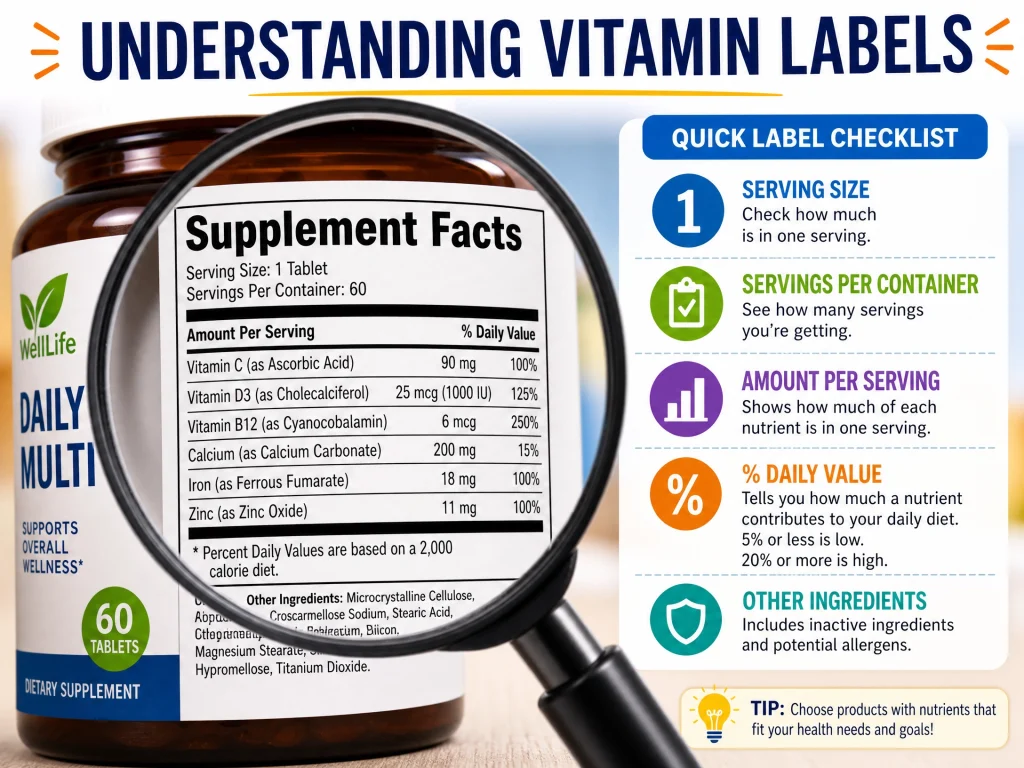
- Bioavailability: Look for forms that are easily absorbed by the body. For example, methylcobalamin is a highly bioavailable form of B12 compared to cyanocobalamin, and methylfolate is often preferred over folic acid.
- Third-Party Testing: Opt for brands that conduct third-party testing for purity and potency. This ensures the product contains what it claims and is free from contaminants.
- Dosage: Check the dosage to ensure it aligns with recommended daily allowances or your doctor’s advice. Be wary of excessively high doses unless specifically prescribed.
- Dietary Needs: If you’re vegan, ensure the supplement is free of animal-derived ingredients and provides sufficient B12.
- Reputable Brands: Choose well-established brands known for quality and transparency. Read reviews and look for certifications.
Practical Tips for Maximizing Your B Vitamin Intake
Optimizing your B vitamin levels doesn’t have to be complicated. Incorporate these practical tips into your daily routine:
- Eat a Balanced Diet: Prioritize a wide variety of whole, unprocessed foods, including fruits, vegetables, whole grains, lean proteins, and dairy (or fortified alternatives).
- Consider Supplementation (When Appropriate): If dietary intake is insufficient due to dietary restrictions (e.g., veganism) or health conditions, consult a healthcare professional about a B-complex supplement.
- Limit Alcohol & Processed Foods: Alcohol consumption can deplete B vitamins, especially folate and B1. Processed foods often lack B vitamins due to refining processes.
- Store Foods Properly: Light and heat can degrade some B vitamins, particularly riboflavin. Store foods in cool, dark places and consume fresh produce promptly.
- Cook Foods Mindfully: Since B vitamins are water-soluble, excessive boiling can leach them into cooking water. Opt for steaming, stir-frying, or roasting to retain nutrient content.
Frequently Asked Questions About B Vitamins
Can I take individual B vitamins instead of a complex?
While possible, it’s generally recommended to take a B-complex supplement unless advised otherwise by a healthcare professional for a specific deficiency. B vitamins work synergistically, and an imbalance or excessive intake of one B vitamin can sometimes lead to deficiencies or issues with others.
Are B vitamins safe to take every day?
Yes, B vitamins are water-soluble, meaning your body excretes any excess. They are generally safe for daily consumption within recommended dosages. However, extremely high doses of certain individual B vitamins (like B6 or B3) can have adverse effects, so always adhere to label instructions or medical advice.
Can B vitamins give me energy immediately?
B vitamins play a crucial role in converting food into energy, so a deficiency can certainly lead to fatigue. While they don’t provide a “jolt” like caffeine, consistent intake helps optimize your body’s natural energy production, leading to sustained vitality over time rather than an immediate boost.
Who is most at risk for B vitamin deficiency?
Individuals at higher risk include vegans and vegetarians (especially for B12), older adults, pregnant and breastfeeding women, those with digestive disorders (like Crohn’s disease), people who consume excessive alcohol, and individuals on certain medications that interfere with B vitamin absorption.
Do B vitamins interact with medications?
Yes, certain medications can interact with B vitamins. For example, some seizure medications can deplete folate, and proton pump inhibitors can affect B12 absorption. Always inform your doctor about any supplements you are taking, especially if you are on prescription medication, to avoid potential interactions.
Conclusion
The B vitamin family is a remarkable group of essential nutrients, each playing a vital, yet interconnected, role in fueling our bodies and minds. From igniting our metabolism and safeguarding our neurological health to enhancing our mood and boosting our immunity, these water-soluble powerhouses are truly fundamental to energy and wellness. By understanding their individual contributions and recognizing their collective synergy, we can make informed dietary choices and, where necessary, select appropriate supplements to ensure our bodies receive the continuous supply they need. Embracing the full spectrum of B vitamins is an investment in your long-term health, paving the way for sustained vitality and a life lived with optimal energy and well-being.
