Post
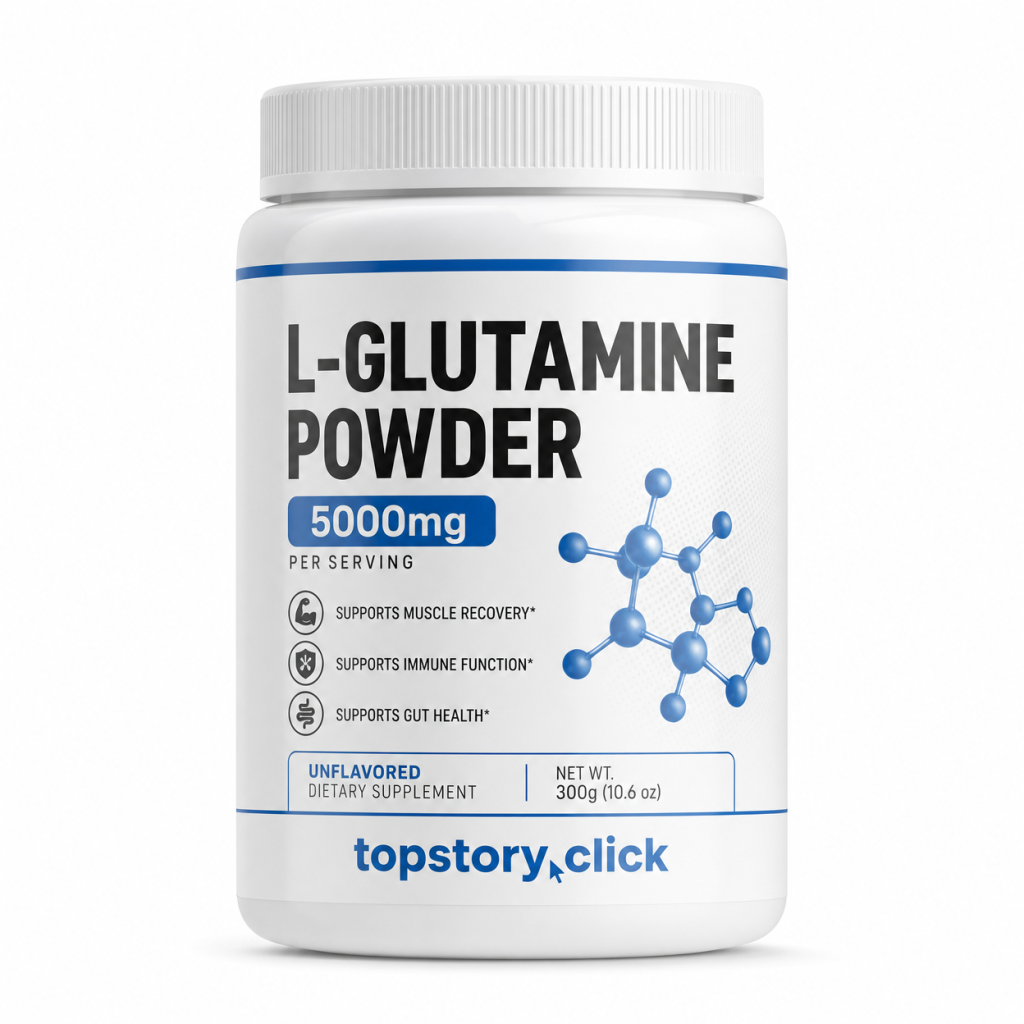
L-Glutamine Powder 5000mg: Gut Healing, Muscle Recovery, and Immune Strength
May
Introduction
L-Glutamine is often described as a “support nutrient,” but that undersells its biological importance. It is the most abundant amino acid in the bloodstream and skeletal muscle, and it functions as a central hub in gut integrity, immune metabolism, acid–base balance, and cellular energy production. Unlike many amino acids that serve primarily as building blocks for protein, glutamine behaves more like a metabolic regulator — shifting between tissues depending on physiological demand.
Under normal conditions, the body produces enough glutamine through muscle metabolism. However, during stress states such as infection, trauma, surgery, chronic gastrointestinal disease, intense athletic training, or prolonged caloric restriction, demand exceeds supply. In these states, L-Glutamine becomes “conditionally essential,” meaning supplementation can have measurable physiological and clinical benefits.
At a therapeutic dose of 5000mg (5g) per serving, L-Glutamine powder provides a clinically relevant intervention that supports gut repair, immune resilience, and recovery from systemic stress.
Glutamine as a Metabolic Currency in the Body
L-Glutamine is unique because it functions as a nitrogen shuttle between tissues. It carries nitrogen safely through the bloodstream, preventing toxic ammonia accumulation while supplying nitrogen for nucleotide synthesis, amino acid production, and cellular repair.
It is also a key substrate for gluconeogenesis in the liver and kidneys, meaning it can be converted into glucose when energy demand increases. This dual role — as both nitrogen transporter and energy precursor — places glutamine at the center of metabolic flexibility.
Another critical role is its contribution to glutathione synthesis. Glutathione is the body’s master intracellular antioxidant, and without sufficient glutamine, glutathione production becomes constrained, reducing cellular defense against oxidative stress and toxins.
The Gut–Glutamine Connection: Core of Its Clinical Importance
The gastrointestinal tract is the largest consumer of glutamine outside of skeletal muscle. Enterocytes (intestinal lining cells) rely heavily on glutamine as their primary fuel source — even more than glucose in certain regions of the small intestine.
Approximately 30–35% of intestinal energy metabolism depends directly on glutamine oxidation. This is not a secondary function; it is foundational to gut integrity.
Intestinal Barrier Maintenance
The gut lining is a single-cell barrier separating the external environment (food, microbes, toxins) from the bloodstream. This barrier depends on tight junction proteins such as:
- Claudin
- Occludin
- ZO-1
Glutamine directly regulates the expression and stability of these proteins. When glutamine levels drop, tight junction integrity weakens, increasing intestinal permeability — commonly referred to as “leaky gut.”
This permeability allows lipopolysaccharides (LPS) and partially digested food antigens to enter circulation, triggering systemic inflammation and immune activation.
Mechanisms of Gut Repair and Protection
L-Glutamine supports intestinal health through multiple overlapping mechanisms:
1. Energy Supply for Enterocytes
It serves as the preferred fuel for intestinal cells, maintaining rapid turnover and repair.
2. Mucosal Layer Reinforcement
It enhances mucin production, strengthening the protective mucus layer that shields epithelial cells from pathogens and digestive enzymes.
3. Immune Modulation in Gut-Associated Lymphoid Tissue (GALT)
The gut immune system consumes large amounts of glutamine during immune activation. Adequate supply helps maintain immune balance and reduces excessive inflammatory signaling.
4. Reduction of Endotoxin Translocation
By reinforcing tight junctions, glutamine reduces the passage of bacterial endotoxins into systemic circulation, lowering chronic inflammatory burden.
Clinical Applications in Gastrointestinal Health
Irritable Bowel Syndrome (IBS)
Research shows that glutamine supplementation can improve abdominal pain, stool consistency, and bloating in IBS patients, particularly those with post-infectious IBS or increased intestinal permeability.
Inflammatory Bowel Disease (IBD)
In Crohn’s disease and ulcerative colitis, glutamine is used as a supportive therapy. While not a standalone treatment, it helps reduce mucosal damage and supports epithelial regeneration.
Leaky Gut and Food Sensitivity Syndromes
Functional medicine protocols frequently use 5–10g daily of glutamine to restore barrier integrity, reduce antigen leakage, and improve tolerance to previously reactive foods.
Post-Antibiotic Gut Recovery
Antibiotics disrupt microbiome balance and damage mucosal integrity. Glutamine accelerates epithelial recovery and helps re-establish a stable intestinal environment.
Immune System Energy and Stress Response
Immune cells — particularly lymphocytes, macrophages, and neutrophils — consume glutamine at extremely high rates during activation.
During infection or physical stress:
- Blood glutamine levels drop significantly
- Immune cells compete with gut cells for supply
- Immune efficiency becomes dependent on availability
Supplementation restores substrate availability, supporting:
- T-cell proliferation
- Macrophage phagocytic activity
- Cytokine balance
- Antibody production
In clinical settings such as post-surgery recovery or critical illness, glutamine supplementation has been associated with reduced infection rates and improved recovery outcomes.
Muscle Recovery and Athletic Performance
In skeletal muscle, glutamine accounts for over 60% of the free amino acid pool. Intense exercise depletes glutamine stores significantly, especially during:
- Endurance training
- Resistance training with high volume
- Overtraining or insufficient recovery periods
Recovery Mechanisms
- Reduces muscle protein breakdown signals
- Supports glycogen replenishment after exercise
- Reduces markers of muscle damage (CK, LDH)
- Supports immune recovery post-exercise (important for athletes prone to illness)
While not a primary hypertrophy supplement like leucine or creatine, glutamine plays a stabilizing role in recovery physiology.
Acid–Base Balance and Systemic Stress Adaptation
During metabolic acidosis (such as intense exercise or illness), the kidneys use glutamine to produce ammonia (NH₃), which binds hydrogen ions and is excreted as ammonium.
This process helps maintain blood pH stability. In prolonged stress states, glutamine demand increases significantly due to this buffering function.
Blood Sugar and Metabolic Effects
Glutamine has a complex relationship with glucose metabolism:
- Serves as a gluconeogenic substrate when needed
- Stimulates GLP-1 secretion (enhancing insulin response)
- Can reduce post-meal glucose spikes in some individuals
- Supports metabolic flexibility during fasting or caloric restriction
These effects make it relevant in metabolic health strategies, particularly when combined with dietary interventions.
Glutamine and Brain Chemistry
Although glutamine does not directly cross the blood-brain barrier in large amounts, it is a precursor to:
- Glutamate (primary excitatory neurotransmitter)
- GABA (primary inhibitory neurotransmitter)
This glutamine–glutamate–GABA cycle is essential for neural balance. Emerging research also suggests links between gut-derived glutamine metabolism and the gut–brain axis, particularly in stress resilience and mood regulation.
Synergy with Other Supplements
L-Glutamine is often most effective when combined strategically:
- Probiotics: supports gut barrier while probiotics reshape microbiome composition
- Prebiotic fiber (inulin/FOS): feeds beneficial bacteria while glutamine repairs mucosa
- Zinc carnosine: synergistic effect on intestinal lining repair
- Digestive enzymes: reduces digestive load while gut heals
- Collagen peptides: provides structural amino acids alongside glutamine’s regulatory role
Timing and Usage Protocols
General Use
- 5g once or twice daily
- Can be taken with or without food
Gut Healing Protocols
- 5g, 2–4 times daily
- Often taken on an empty stomach for direct intestinal exposure
Athletic Recovery
- Post-workout or before sleep
- Combined with protein or carbohydrate intake depending on goal
Safety and Tolerability
L-Glutamine is one of the safest amino acid supplements available.
Generally safe at:
- 5–20g daily in most adults
Possible mild effects:
- Temporary bloating (rare)
- Mild gastrointestinal adjustment during initial use
Caution in:
- Severe liver disease (due to ammonia metabolism considerations)
- Rare metabolic disorders affecting amino acid processing
No significant toxicity has been established even at high doses in clinical research settings.
Limitations and Scientific Context
While glutamine has strong mechanistic and clinical support in specific conditions, it is important to recognize:
- It is not a “cure” for chronic inflammatory diseases
- Effects vary depending on baseline nutritional and gut status
- Best results occur when combined with diet and microbiome support
- Healthy individuals may notice subtle rather than dramatic effects
Its value is highest in states of physiological stress or gut dysfunction.
Conclusion
L-Glutamine Powder 5000mg is a foundational metabolic and gut-support supplement that operates at the intersection of intestinal integrity, immune function, and cellular energy metabolism. Unlike targeted supplements that address single pathways, glutamine works as a systemic stabilizer — supporting the most energy-demanding tissues in the body during both normal and stress conditions.
By reinforcing the intestinal barrier, fueling immune cells, supporting muscle recovery, and contributing to antioxidant defense systems, L-glutamine functions as a structural nutrient for resilience itself. It is most impactful not as a standalone intervention, but as part of a broader strategy aimed at restoring gut health, improving recovery capacity, and maintaining metabolic balance under stress.
