Post
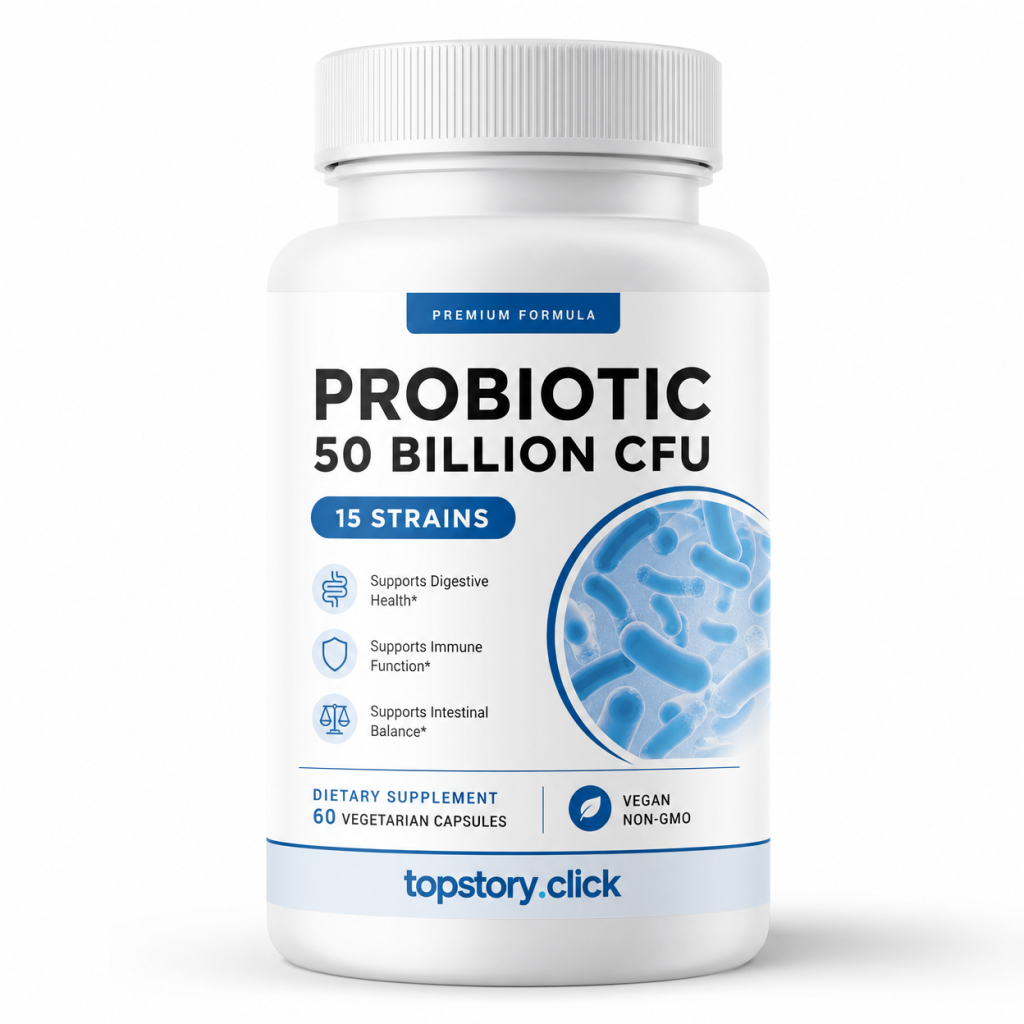
Probiotic 50 Billion CFU – 15 Strains: Complete Gut Microbiome Support
May
Introduction
The human body is not a standalone biological system — it is an ecosystem. At the center of this ecosystem lies the gut microbiome, a dense and highly active community of trillions of microorganisms that collectively weigh up to 1–2 kilograms in an adult human. These microorganisms are not passive residents; they actively participate in digestion, immune regulation, hormone signaling, neurotransmitter production, and metabolic control.
Modern research increasingly recognizes that many chronic health conditions — including digestive disorders, obesity, autoimmune diseases, anxiety, depression, and even skin inflammation — are influenced by imbalances in the gut microbiome, a state known as dysbiosis.
A high-potency probiotic delivering 50 billion CFU (colony-forming units) across 15 carefully selected strains represents a comprehensive strategy for restoring microbial balance. Unlike low-dose or single-strain probiotics, multi-strain high-CFU formulations aim to replicate the diversity of a healthy gut ecosystem, supporting multiple physiological systems simultaneously.
The Human Gut Microbiome: A Second Brain
The gut microbiome is often referred to as the “second brain” due to its extensive communication with the central nervous system through the gut-brain axis. This connection is mediated through:
- The vagus nerve (direct neural signaling)
- Immune signaling molecules (cytokines)
- Microbial metabolites (short-chain fatty acids)
- Neurotransmitter production (serotonin, GABA, dopamine precursors)
Approximately 70–80% of the immune system resides in gut-associated lymphoid tissue (GALT), making gut health a central determinant of immune resilience. Meanwhile, gut bacteria influence metabolic rate, inflammation levels, and even emotional regulation.
A disruption in this ecosystem can lead to widespread physiological consequences far beyond digestion.
Why 50 Billion CFU Matters
CFU (colony-forming units) represents the number of viable microorganisms capable of colonization and activity in the gut.
A dose of 50 billion CFU is considered a high-potency therapeutic level because:
- A large proportion of bacteria are destroyed by stomach acid
- Only a fraction survives to reach the intestines
- Higher CFU increases the probability of meaningful colonization
- Therapeutic effects require sustained microbial presence
Lower-dose probiotics (1–10 billion CFU) may be suitable for maintenance, but higher doses are typically used in clinical contexts such as antibiotic recovery, IBS support, and immune modulation.
Importance of 15-Strain Diversity
Microbial diversity is a key marker of gut health. A healthy microbiome contains hundreds of species, each performing specialized roles. A 15-strain probiotic aims to mimic this diversity by combining complementary bacterial species.
The formula typically includes two major functional groups:
Lactobacillus Strains – Small Intestine Support
Common strains include L. acidophilus, L. rhamnosus, L. plantarum, L. casei, and others.
Key functions:
- Produce lactic acid to lower intestinal pH
- Inhibit growth of pathogenic bacteria
- Improve lactose digestion
- Support mucosal barrier integrity
- Enhance local immune response
- Assist production of certain B vitamins and vitamin K
These strains primarily colonize the small intestine and upper digestive tract, where they help regulate early stages of digestion and immune defense.
Bifidobacterium Strains – Colon Health and Fermentation
Common strains include B. longum, B. breve, B. lactis, and B. bifidum.
Key functions:
- Ferment dietary fiber into short-chain fatty acids (SCFAs)
- Strengthen colon lining integrity
- Reduce intestinal permeability (“leaky gut”)
- Regulate inflammatory signaling
- Support gut-brain communication pathways
These bacteria dominate the large intestine and are essential for long-term colon health and systemic inflammation control.
Key Health Benefits of High-Potency Multi-Strain Probiotics
1. Digestive Health and IBS Support
Probiotics are among the most well-studied interventions for irritable bowel syndrome (IBS). Clinical research shows improvements in:
- Abdominal pain
- Bloating and gas production
- Stool consistency and frequency
- Overall digestive comfort
Certain strains, particularly L. plantarum, L. rhamnosus GG, and B. infantis, have demonstrated measurable reductions in IBS symptom severity.
Probiotics are also highly effective in reducing antibiotic-associated diarrhea by restoring microbial balance disrupted by antimicrobial drugs.
2. Immune System Modulation
The gut microbiome acts as a training ground for the immune system. Probiotics influence immunity through:
- Increased production of secretory IgA (first-line mucosal defense)
- Regulation of T-regulatory cells (immune tolerance)
- Reduction of pro-inflammatory cytokines
- Competitive inhibition of pathogenic organisms
Clinical studies show that regular probiotic use can reduce the frequency and severity of respiratory infections, particularly during seasonal immune stress periods.
3. Gut-Brain Axis and Mental Health
One of the most groundbreaking discoveries in modern neuroscience is the role of gut bacteria in brain function.
The microbiome influences:
- Serotonin production (up to ~90% originates in the gut)
- GABA synthesis (calming neurotransmitter)
- Dopamine signaling pathways
- Cortisol stress response regulation
- Brain-derived neurotrophic factor (BDNF)
Clinical trials involving psychobiotic strains show improvements in:
- Anxiety symptoms
- Mild to moderate depression
- Stress resilience
- Cognitive performance under stress
This highlights the gut as a central regulator of emotional and cognitive balance.
4. Metabolic Health and Weight Regulation
Gut bacteria influence how the body extracts energy from food and regulates fat storage.
Probiotics contribute to metabolic health by:
- Increasing short-chain fatty acid production (especially butyrate)
- Reducing metabolic endotoxemia (lipopolysaccharide leakage)
- Improving insulin sensitivity
- Modulating fat storage pathways
Some studies show modest reductions in body weight, BMI, and visceral fat with long-term probiotic use, especially when combined with dietary fiber intake.
5. Skin Health and the Gut-Skin Axis
The skin and gut are closely connected through immune and inflammatory pathways.
Dysbiosis has been linked to:
- Acne
- Eczema (atopic dermatitis)
- Rosacea
- Skin sensitivity and dryness
By restoring microbial balance, probiotics can reduce systemic inflammation that manifests in the skin, improving clarity, hydration, and barrier function over time.
6. Women’s and Urogenital Health
Certain Lactobacillus strains naturally dominate the vaginal microbiome and maintain a healthy acidic environment.
Probiotics help:
- Prevent bacterial vaginosis
- Reduce yeast overgrowth (Candida)
- Lower urinary tract infection recurrence
- Restore microbiome balance after antibiotics
This makes multi-strain probiotics particularly valuable for women’s health support.
7. Post-Antibiotic Microbiome Recovery
Antibiotics, while essential for treating infections, significantly disrupt gut microbial diversity.
Effects include:
- Reduced bacterial diversity
- Opportunistic pathogen overgrowth
- Digestive irregularities
- Increased inflammation
High-potency multi-strain probiotics accelerate microbiome recovery by reintroducing beneficial bacteria and restoring ecological balance.
Quality and Stability Considerations
Not all probiotics are equally effective. Key quality indicators include:
- CFU guaranteed at expiration (not at manufacture)
- Strain-specific clinical research (not just genus-level claims)
- Acid-resistant capsules or delayed-release technology
- Proper storage stability (shelf-stable vs refrigerated strains)
- Third-party testing for potency and purity
Survivability through the stomach is one of the most critical challenges in probiotic effectiveness.
Safety and Tolerability
Probiotics are generally safe for most individuals. Mild side effects may include temporary gas or bloating during initial use, reflecting microbial adjustment.
Caution is advised for individuals who are severely immunocompromised or critically ill, where microbial supplementation should be medically supervised.
Conclusion
Probiotic 50 Billion CFU – 15 Strains represents a comprehensive, science-based approach to restoring and maintaining gut microbiome balance. By combining high potency with strain diversity, it addresses not only digestive health but also immune resilience, metabolic regulation, neurological function, and skin health.
Rather than acting on a single pathway, probiotics work at the foundational level of human biology — the microbial ecosystem that influences nearly every major physiological system.
In a modern environment characterized by processed foods, stress, antibiotics, and reduced dietary fiber intake, supporting the gut microbiome is no longer optional. It is a core strategy for long-term health optimization.
