May
Introduction
Magnesium is one of the most fundamental minerals in human biology and is involved in over 300 enzymatic reactions across virtually every physiological system. It plays a central role in energy production, nervous system regulation, muscle function, cardiovascular stability, and metabolic control.
Despite its importance, magnesium deficiency is extremely common. Modern diets high in processed foods and low in mineral-rich whole foods have contributed to widespread suboptimal intake. As a result, many individuals do not reach recommended daily levels through diet alone.
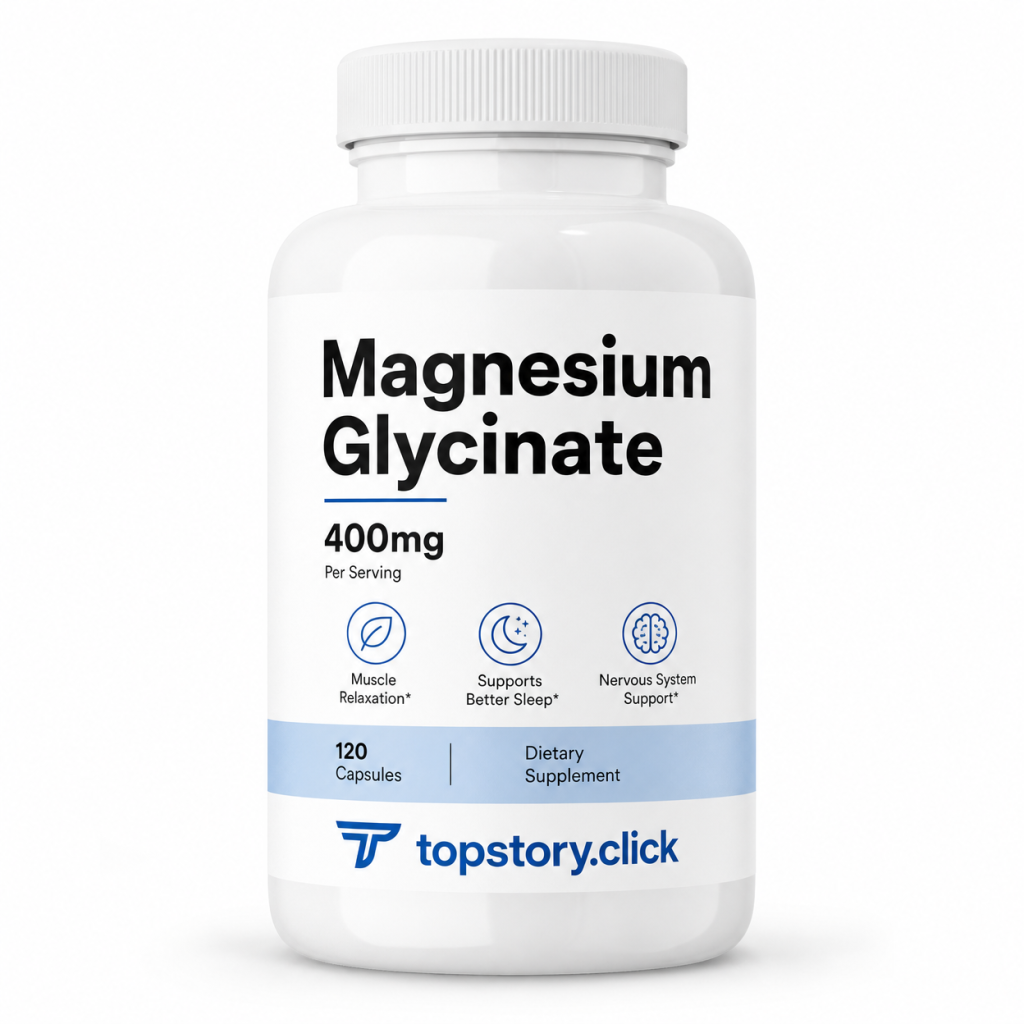
Magnesium glycinate 400mg is widely considered one of the most effective and well-tolerated supplemental forms of magnesium. It combines magnesium with the amino acid glycine, resulting in high absorption, gentle digestion, and added calming effects that support sleep and stress regulation.
Why Magnesium Is Essential for the Body
Magnesium is required for fundamental biochemical processes that sustain life. Without it, many core functions would slow or fail.
1. Energy Production (ATP Activation)
Magnesium is directly required for the formation and utilization of ATP (adenosine triphosphate), the body’s primary energy currency.
In biological terms:
ATP+Mg2+→MgATPATP + Mg^{2+} \rightarrow MgATPATP+Mg2+→MgATP
ATP is only biologically active when bound to magnesium, meaning every energy-dependent process in the body relies on adequate magnesium availability.
2. DNA, RNA, and Protein Synthesis
Magnesium acts as a cofactor in:
- DNA replication
- RNA transcription
- Protein synthesis
This makes it essential for cell growth, repair, and regeneration.
3. Nervous System Regulation
Magnesium helps regulate nerve excitability by:
- Modulating NMDA receptors (reducing overactivation)
- Supporting GABA activity (calming neurotransmitter)
- Stabilizing neuronal signaling
This balance is critical for mood stability, stress resilience, and cognitive function.
4. Muscle Contraction and Relaxation
Magnesium regulates calcium flow in muscle cells:
- Calcium triggers contraction
- Magnesium enables relaxation
Without sufficient magnesium, muscles may remain in a partially contracted state, contributing to cramps, spasms, and tightness.
5. Cardiovascular and Electrolyte Balance
Magnesium supports:
- Heart rhythm stability
- Blood pressure regulation
- Electrolyte balance (calcium, potassium, sodium interaction)
The heart is particularly sensitive to magnesium levels due to its role in electrical conduction.
Why Magnesium Glycinate Is Preferred
Not all magnesium forms are equal in absorption or tolerability.
Common Forms and Differences
- Magnesium oxide: Low absorption, often causes digestive discomfort
- Magnesium citrate: Better absorption but may have laxative effects
- Magnesium glycinate: High absorption, gentle on the stomach
Why Glycinate Is Special
Magnesium glycinate is bound to glycine, an amino acid that also functions as an inhibitory neurotransmitter.
This combination provides dual benefits:
- Magnesium supports physiological balance
- Glycine promotes relaxation and calmness
This makes magnesium glycinate especially effective for:
- Sleep support
- Anxiety reduction
- Stress recovery
Key Health Benefits of Magnesium Glycinate
1. Stress Reduction and Anxiety Support
Magnesium helps regulate the HPA axis, the body’s central stress response system.
It contributes to:
- Lower cortisol response
- Reduced nervous system overactivation
- Improved emotional stability
It also reduces excitatory signaling in the brain by modulating NMDA receptors while enhancing calming GABA activity.
2. Sleep Quality and Recovery
Magnesium plays a key role in sleep regulation through:
- Activation of parasympathetic (“rest and digest”) activity
- Support of melatonin production
- Reduction of nighttime nervous system hyperactivity
Glycine further enhances sleep by lowering core body temperature, which is a natural signal for sleep onset.
Together, magnesium glycinate is widely used for:
- Faster sleep onset
- Deeper sleep cycles
- Fewer nighttime awakenings
3. Muscle Function and Cramp Prevention
Magnesium is essential for muscle relaxation after contraction.
Deficiency may result in:
- Muscle cramps
- Spasms
- Restless legs
- Post-exercise soreness
Athletes often use magnesium glycinate to support:
- Recovery
- Reduced muscle tension
- Improved performance consistency
4. Cardiovascular Health
Magnesium plays a key role in cardiac electrical stability.
It supports:
- Normal heart rhythm
- Healthy blood pressure levels
- Reduced arterial stiffness
Low magnesium is associated with increased risk of:
- Hypertension
- Arrhythmias
- Cardiovascular stress
5. Blood Sugar and Insulin Sensitivity
Magnesium is required for proper insulin signaling.
It supports:
- Glucose uptake into cells
- Insulin receptor function
- Blood sugar stability
Low magnesium levels are commonly observed in individuals with:
- Insulin resistance
- Type 2 diabetes
- Metabolic syndrome
Supplementation may help improve:
- Fasting glucose
- Long-term glucose control (HbA1c)
6. Migraine Prevention
Magnesium deficiency is strongly linked to migraine frequency.
Supplementation may help:
- Reduce migraine occurrence
- Decrease severity of attacks
- Improve neurological stability
In some clinical settings, magnesium is even used intravenously for acute migraine relief.
7. Bone Health Support
Magnesium works closely with calcium and vitamin D in maintaining bone integrity.
It helps:
- Regulate parathyroid hormone
- Activate vitamin D metabolism
- Support bone mineral density
Without sufficient magnesium, calcium metabolism becomes inefficient, even if calcium intake is adequate.
Magnesium and the Hidden Deficiency Problem
One of the challenges in diagnosing magnesium deficiency is that:
- Blood magnesium levels are tightly regulated
- The body draws magnesium from bone stores when intake is low
This means that serum blood tests can appear “normal” even when cellular magnesium levels are depleted.
As a result, magnesium deficiency is often underrecognized in clinical practice.
Dosage and Safety Considerations
Recommended Intake
- Adult RDA: 320–420mg/day
A 400mg supplement generally meets or exceeds daily requirements.
Safety Profile
Magnesium glycinate is considered very safe for most individuals.
Key points:
- Well tolerated even at higher doses
- Low risk of laxative effects compared to other forms
- Excess magnesium is excreted through kidneys in healthy individuals
Upper Limit Note
The tolerable upper limit for supplemental magnesium is often cited as 350mg/day, primarily due to diarrhea risk with less-absorbed forms. Magnesium glycinate is typically better tolerated beyond this level due to slower absorption.
Precaution
Individuals with:
- Kidney disease
- Severe renal impairment
should consult a healthcare professional before supplementation.
How to Take Magnesium Glycinate for Best Results
- Often taken in the evening for sleep support
- Can be taken with or without food
- Consistent daily use yields best results
- Pairing with stress management enhances benefits
Conclusion
Magnesium Glycinate 400mg is one of the most versatile and physiologically important mineral supplements available. Its combination of high absorption, gentle digestive profile, and calming glycine support makes it particularly effective for addressing modern magnesium deficiency.
By supporting energy production, nervous system balance, sleep quality, muscle function, cardiovascular health, and metabolic stability, magnesium glycinate serves as a foundational nutrient for overall well-being.
For individuals dealing with stress, poor sleep, muscle tension, or metabolic imbalance, it remains one of the most reliable and broadly beneficial supplementation choices in modern nutrition.
