Post
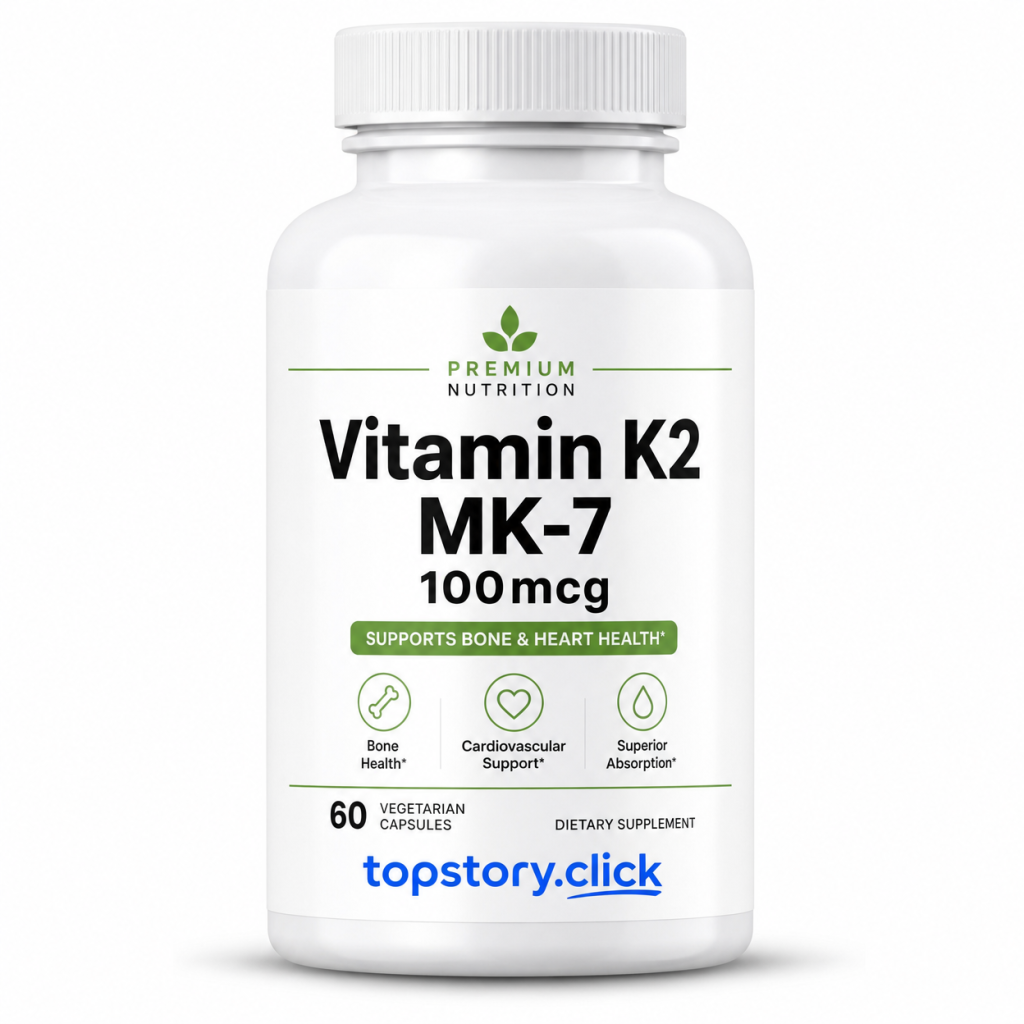
Vitamin K2 MK-7 100mcg: The Essential Partner for Calcium and Heart Health
May
Introduction
Vitamin K2 is one of the most essential yet frequently overlooked nutrients in modern nutrition. While Vitamin K1 is well known for its role in blood clotting, Vitamin K2 performs a very different and far more specialized function: it regulates calcium distribution throughout the body.
Instead of simply increasing calcium availability, Vitamin K2 ensures that calcium is directed to the right places — primarily bones and teeth — while preventing it from accumulating in soft tissues such as arteries and organs. This function makes K2 a critical nutrient for both skeletal strength and cardiovascular protection.
Among all forms of Vitamin K2, MK-7 (menaquinone-7) is considered the most effective for supplementation due to its superior absorption and long half-life, allowing it to remain active in the bloodstream for extended periods.
Vitamin K1 vs Vitamin K2: Understanding the Difference
Although Vitamin K1 and K2 share a similar chemical structure, they serve very different roles in the body.
Vitamin K1 (Phylloquinone)
- Found primarily in leafy green vegetables
- Concentrated in the liver
- Mainly involved in blood clotting
K1 is important for survival, but its function is relatively narrow compared to K2.
Vitamin K2 (Menaquinone)
Vitamin K2 is distributed more widely throughout the body and is responsible for activating proteins involved in calcium metabolism.
Key target tissues include:
- Bones
- Blood vessels
- Kidneys
- Teeth
Unlike K1, K2 remains active in circulation longer, especially the MK-7 form, allowing it to exert systemic effects beyond the liver.
The Calcium Paradox Explained
Modern diets often provide adequate or even excessive calcium and Vitamin D intake, yet rates of osteoporosis and cardiovascular disease remain high. This contradiction is known as the calcium paradox.
The issue is not calcium intake itself — but calcium mismanagement within the body.
Without sufficient Vitamin K2, calcium may:
- Fail to integrate into bone tissue
- Accumulate in arteries
- Contribute to vascular stiffness
- Increase risk of cardiovascular disease
Vitamin K2 resolves this imbalance by activating key calcium-regulating proteins.
How Vitamin K2 Works in the Body
Vitamin K2 activates two essential proteins:
1. Osteocalcin (Bone Protein)
Osteocalcin is produced by bone-building cells (osteoblasts). When activated by Vitamin K2, it binds calcium and incorporates it into the bone matrix.
Without K2 activation, osteocalcin remains inactive, reducing bone mineralization efficiency.
2. Matrix Gla Protein (MGP)
MGP is found in blood vessel walls and soft tissues. Its primary role is to prevent calcium from depositing in arteries.
When activated by Vitamin K2, MGP helps maintain:
- Flexible blood vessels
- Healthy arterial function
- Reduced vascular calcification
Without sufficient K2, MGP remains inactive, allowing calcium buildup in soft tissues.
Key Health Benefits of Vitamin K2 MK-7 100mcg
1. Bone Strength and Density
Vitamin K2 plays a direct role in bone formation by activating osteocalcin.
Research suggests that MK-7 supplementation may:
- Improve bone mineral density
- Reduce bone loss in aging populations
- Lower fracture risk
- Support long-term skeletal strength
This is especially important for postmenopausal women and older adults, who are at higher risk of osteoporosis.
2. Cardiovascular Protection
One of Vitamin K2’s most important roles is protecting the cardiovascular system.
By activating matrix Gla protein, K2 helps:
- Prevent calcium buildup in arteries
- Maintain arterial elasticity
- Reduce risk of arterial stiffness
- Support overall heart function
Population studies, including research such as the Rotterdam Study, have found that higher dietary K2 intake is associated with significantly lower rates of cardiovascular disease and arterial calcification.
3. Dental Health and Tooth Strength
Vitamin K2 also supports dental structure by activating proteins involved in calcium deposition in teeth.
Potential benefits include:
- Stronger tooth enamel
- Improved dentin formation
- Reduced risk of cavities
- Support for remineralization processes
Although research is still evolving, early findings suggest a meaningful role for K2 in oral health.
4. Synergy with Vitamin D3
Vitamin K2 works closely with Vitamin D3 in regulating calcium metabolism.
- Vitamin D3 increases calcium absorption from the gut
- Vitamin K2 directs where that calcium goes
Without K2, increased calcium from Vitamin D supplementation may be more likely to deposit in arteries rather than bones.
This is why many health practitioners recommend taking Vitamin D3 and K2 together for optimal balance between calcium absorption and utilization.
Why MK-7 Is the Preferred Form
Vitamin K2 exists in several forms, but MK-7 is widely considered the most effective for supplementation.
MK-7 Advantages:
- Long half-life (approximately 72 hours)
- Stable blood levels with once-daily dosing
- High bioavailability
- Derived from natural fermentation (such as natto)
Comparison with MK-4:
- MK-4 has a very short half-life (about 1 hour)
- Requires multiple daily doses for sustained effect
- MK-7 maintains more consistent levels with lower dosing requirements
For this reason, MK-7 at 100mcg is commonly used as a standard supplemental dose.
Who May Benefit from Vitamin K2 Supplementation?
Vitamin K2 MK-7 may be particularly beneficial for:
- Individuals taking Vitamin D3 supplements
- People at risk of osteoporosis
- Postmenopausal women
- Individuals with cardiovascular risk factors
- People who consume low amounts of fermented foods
- Those with low intake of animal-based foods
Because modern diets often lack fermented foods like natto, supplemental K2 is increasingly relevant.
Safety and Considerations
Vitamin K2 is generally considered very safe and well tolerated.
However, important considerations include:
- Individuals taking anticoagulant medications such as warfarin should consult a healthcare provider before use
- Vitamin K2 may interfere with blood-thinning medications due to its role in clotting factor regulation
- No known toxicity has been established for typical supplemental doses in healthy individuals
For most people, MK-7 at 100mcg daily is considered safe and effective.
How to Take Vitamin K2 MK-7
To maximize effectiveness:
- Take with meals containing fat for better absorption
- Can be taken alongside Vitamin D3 for synergistic effects
- Consistency is more important than timing
Because MK-7 has a long half-life, once-daily dosing is sufficient for maintaining stable levels.
Conclusion
Vitamin K MK-7 100mcg is a highly targeted nutrient that plays a critical role in long-term bone strength and cardiovascular protection. Its primary function — directing calcium to bones and teeth while preventing unwanted arterial calcification — makes it one of the most important nutrients for aging and chronic disease prevention.
When combined with Vitamin D3, Vitamin K forms a powerful nutritional partnership that supports balanced calcium metabolism, skeletal integrity, and heart health.
For individuals seeking to optimize bone density, protect cardiovascular function, and support overall mineral balance, Vitamin K MK-7 represents a scientifically grounded and highly valuable supplement choice.
