Post
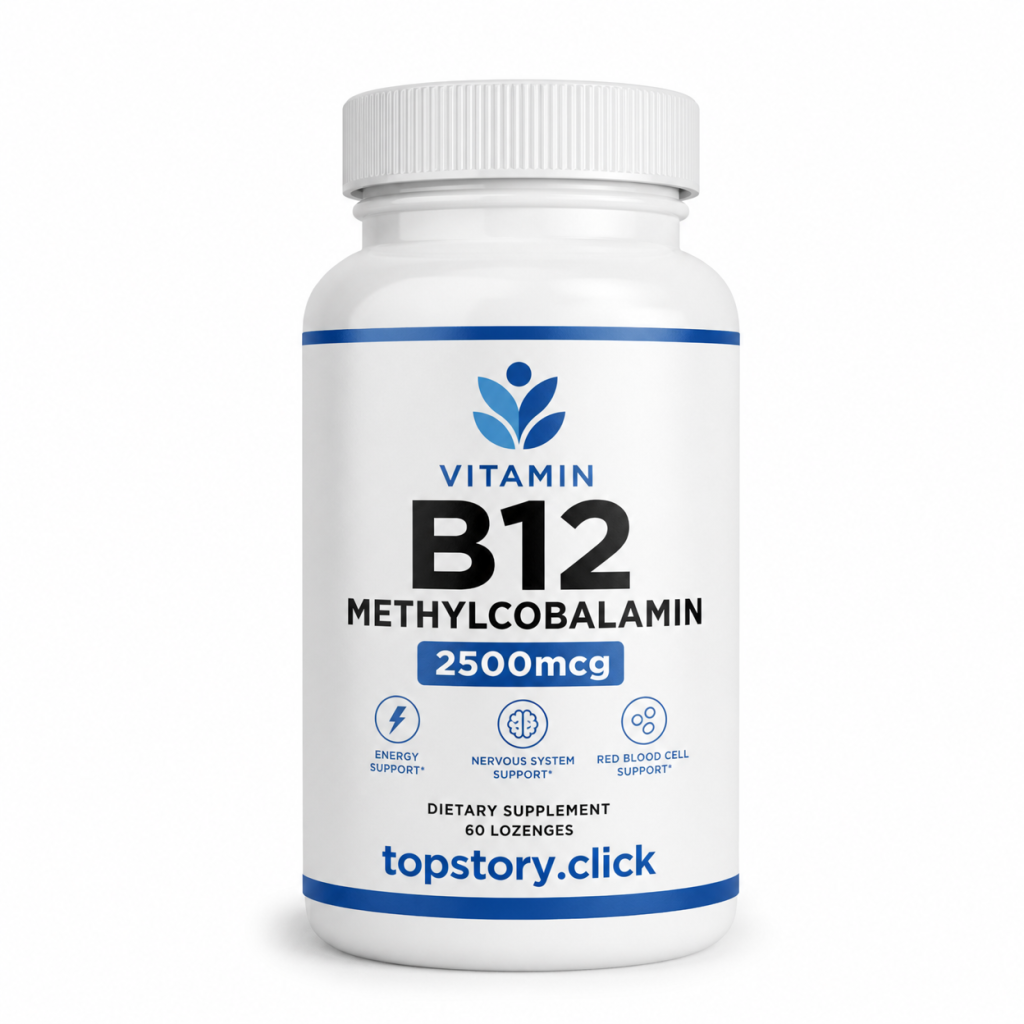
Vitamin B12 Methylcobalamin 2500mcg: Energize Your Body and Mind
May
Introduction
Vitamin B12 is one of the most important nutrients for maintaining human health, yet millions of people around the world unknowingly suffer from low levels or outright deficiency. Responsible for energy production, neurological function, red blood cell formation, and DNA synthesis, Vitamin B12 plays a foundational role in keeping the body functioning properly. Without adequate B12, both physical and mental health can decline significantly over time.
Among the various forms of Vitamin B12 supplements available today, methylcobalamin has emerged as one of the most effective and biologically active choices. Unlike synthetic forms that require conversion inside the body, methylcobalamin is already in its active coenzyme form, making it highly bioavailable and easier for the body to utilize immediately.
One dosage that has become especially popular is Vitamin B12 Methylcobalamin 2500mcg. Although this amount appears much higher than the standard daily requirement, it serves a specific purpose: maximizing absorption and ensuring adequate intake even in individuals with impaired digestive function or absorption issues.
From boosting energy levels and supporting cognitive performance to protecting nerve cells and improving mood, methylcobalamin supplementation has become an essential wellness tool for many people seeking better long-term health.
Understanding Vitamin B12
Vitamin B12, also known as cobalamin, is a water-soluble vitamin required for several critical biological processes. Unlike some nutrients that the body can produce naturally, Vitamin B12 must be obtained from dietary sources or supplements.
Natural food sources of Vitamin B12 include:
- Red meat
- Poultry
- Fish and seafood
- Eggs
- Milk and dairy products
Because plant foods do not naturally contain significant amounts of B12, vegans and strict vegetarians are among the groups most vulnerable to deficiency.
Vitamin B12 is unique because it works closely with folate and other B vitamins in supporting DNA synthesis, neurological communication, and cellular metabolism. Every cell in the body depends on B12 to some degree, especially rapidly dividing cells such as red blood cells and nerve tissue.
The Different Forms of Vitamin B12
There are several forms of Vitamin B12 used in supplements and medical treatments, each with different characteristics.
Cyanocobalamin
Cyanocobalamin is the most common and inexpensive synthetic form of B12. It is widely used in fortified foods and budget supplements because it is highly stable and inexpensive to manufacture.
However, cyanocobalamin must first be converted into active forms before the body can use it effectively.
Hydroxocobalamin
Hydroxocobalamin is often used in injectable B12 therapies and has a longer circulation time in the bloodstream. It is frequently prescribed for severe deficiencies and pernicious anemia.
Adenosylcobalamin
This form is one of the active coenzyme versions of B12 and is particularly important for mitochondrial energy production.
Methylcobalamin
Methylcobalamin is considered one of the most bioactive and neurologically beneficial forms of Vitamin B12. It participates directly in methylation processes throughout the body and requires no conversion before use.
For this reason, methylcobalamin is often preferred in high-quality oral and sublingual supplements.
Why Choose Methylcobalamin Over Cyanocobalamin?
Many healthcare practitioners and nutrition experts recommend methylcobalamin because of its superior bioavailability and immediate usability.
Some individuals have genetic variations involving the MTHFR enzyme, which may reduce their ability to efficiently convert synthetic forms of B12 into active forms. In these individuals, methylcobalamin may provide more reliable results.
Methylcobalamin also appears particularly beneficial for:
- Nervous system support
- Brain function
- Cognitive clarity
- Mood regulation
- Peripheral nerve health
Because it is already metabolically active, the body can utilize methylcobalamin immediately after absorption.
Why Is the Dose So High at 2500mcg?
At first glance, a 2500mcg supplement may seem excessive considering the recommended daily intake for adults is only 2.4mcg. However, understanding how Vitamin B12 absorption works explains why high-dose supplements are often necessary.
Vitamin B12 absorption occurs through two primary mechanisms:
1. Active Absorption Through Intrinsic Factor
The stomach produces a protein called intrinsic factor, which binds to Vitamin B12 and allows it to be absorbed in the small intestine.
This system is highly efficient but limited in capacity, typically absorbing only about 1–2mcg per meal or dose.
2. Passive Diffusion
A small percentage of large oral doses can be absorbed passively without intrinsic factor.
Although passive absorption only accounts for approximately 1–2% of the dose, taking 2500mcg ensures that enough B12 enters circulation even in people with impaired digestive absorption.
This is especially important for:
- Older adults
- Individuals with pernicious anemia
- People with digestive disorders
- Patients taking antacids or metformin
- Those with low stomach acid production
Sublingual Delivery and Absorption
Many methylcobalamin supplements come in sublingual tablets or lozenges designed to dissolve under the tongue.
This delivery method allows partial absorption through the mucous membranes of the mouth, bypassing parts of the digestive tract. Sublingual supplementation may improve effectiveness in individuals with poor gastrointestinal absorption.
Additionally, sublingual tablets are convenient, painless, and easy to use compared to injections.
Key Health Benefits of Vitamin B12 Methylcobalamin 2500mcg
1. Supports Neurological Health
One of the most important functions of methylcobalamin is maintaining healthy nerve tissue.
Vitamin B12 is required for the formation and maintenance of myelin, the protective sheath surrounding nerves. Without adequate myelin, nerve signaling becomes impaired.
Deficiency may lead to:
- Tingling sensations
- Numbness
- Peripheral neuropathy
- Poor coordination
- Memory problems
- Cognitive decline
Methylcobalamin has been studied extensively for its role in neurological support and nerve regeneration.
Some research suggests it may help support individuals dealing with diabetic neuropathy, age-related cognitive decline, and nerve damage.
2. Enhances Energy Production
Vitamin B12 is essential for converting carbohydrates, fats, and proteins into usable cellular energy.
Low B12 levels frequently cause:
- Persistent fatigue
- Weakness
- Brain fog
- Reduced stamina
- Poor concentration
Because B12 participates directly in mitochondrial energy metabolism, restoring healthy levels often results in improved vitality and mental clarity.
Many individuals report noticeable improvements in energy levels after correcting a deficiency.
3. Promotes Healthy Red Blood Cell Formation
Vitamin B12 plays a critical role in DNA synthesis during red blood cell production.
Without sufficient B12, red blood cells become abnormally large and dysfunctional — a condition known as megaloblastic anemia.
Symptoms may include:
- Fatigue
- Shortness of breath
- Pale skin
- Dizziness
- Weakness
Adequate B12 helps maintain healthy oxygen transport throughout the body.
4. Supports Cardiovascular Health
Methylcobalamin works alongside Vitamin B6 and folate to regulate homocysteine levels in the bloodstream.
Elevated homocysteine has been associated with increased risk of:
- Heart disease
- Stroke
- Blood vessel damage
- Blood clots
By helping metabolize homocysteine efficiently, Vitamin B12 contributes to overall cardiovascular wellness.
5. Improves Mood and Mental Wellbeing
Vitamin B12 is deeply involved in neurotransmitter production, including:
- Serotonin
- Dopamine
- Norepinephrine
These brain chemicals influence mood, motivation, focus, and emotional stability.
Low B12 levels are commonly associated with:
- Depression
- Anxiety
- Irritability
- Mental fatigue
- Difficulty concentrating
Optimizing B12 status may support emotional balance and cognitive performance, especially in deficient individuals.
Who Is Most at Risk of Vitamin B12 Deficiency?
Several groups are particularly vulnerable to low B12 levels.
Vegans and Vegetarians
Because plant foods contain little to no active B12, long-term avoidance of animal products significantly increases deficiency risk.
Older Adults
As people age, stomach acid and intrinsic factor production often decline, impairing B12 absorption.
People Taking Metformin
Metformin, a common diabetes medication, is known to reduce B12 absorption over time.
Individuals Using Acid-Reducing Medications
Proton pump inhibitors and antacids decrease stomach acid, which is necessary for releasing B12 from food.
People With Digestive Disorders
Conditions such as:
- Crohn’s disease
- Celiac disease
- Gastritis
- IBS
- Bariatric surgery history
can impair nutrient absorption significantly.
Common Signs of Vitamin B12 Deficiency
Symptoms of deficiency can develop gradually and may be mistaken for stress or aging.
Common warning signs include:
- Chronic fatigue
- Brain fog
- Memory lapses
- Tingling hands and feet
- Numbness
- Poor balance
- Mood changes
- Depression
- Glossitis (inflamed tongue)
- Weakness
Severe deficiency left untreated can eventually cause irreversible nerve damage.
Safety and Side Effects
Vitamin B12 is considered extremely safe, even at high doses.
Because it is water-soluble, excess amounts are typically excreted through urine. No official upper tolerable intake level has been established due to its excellent safety profile.
Side effects are rare but may occasionally include:
- Mild digestive discomfort
- Acne flare-ups in sensitive individuals
- Temporary tingling sensations from sublingual tablets
For most healthy individuals, methylcobalamin supplementation is very well tolerated.
Conclusion
Vitamin B12 Methylcobalamin 2500mcg is one of the most effective supplements available for supporting energy, neurological health, red blood cell production, and cognitive function. Its high bioavailability and active coenzyme form make it superior to many conventional B12 supplements, especially for individuals with impaired absorption or increased nutritional needs.
In today’s world — where stress, poor diet, digestive disorders, aging, and restrictive eating patterns are increasingly common — maintaining optimal B12 levels has become more important than ever.
Whether you are seeking more energy, improved mental clarity, nerve support, or long-term wellness protection, methylcobalamin 2500mcg offers a reliable and science-backed solution for supporting total-body health.
