Post
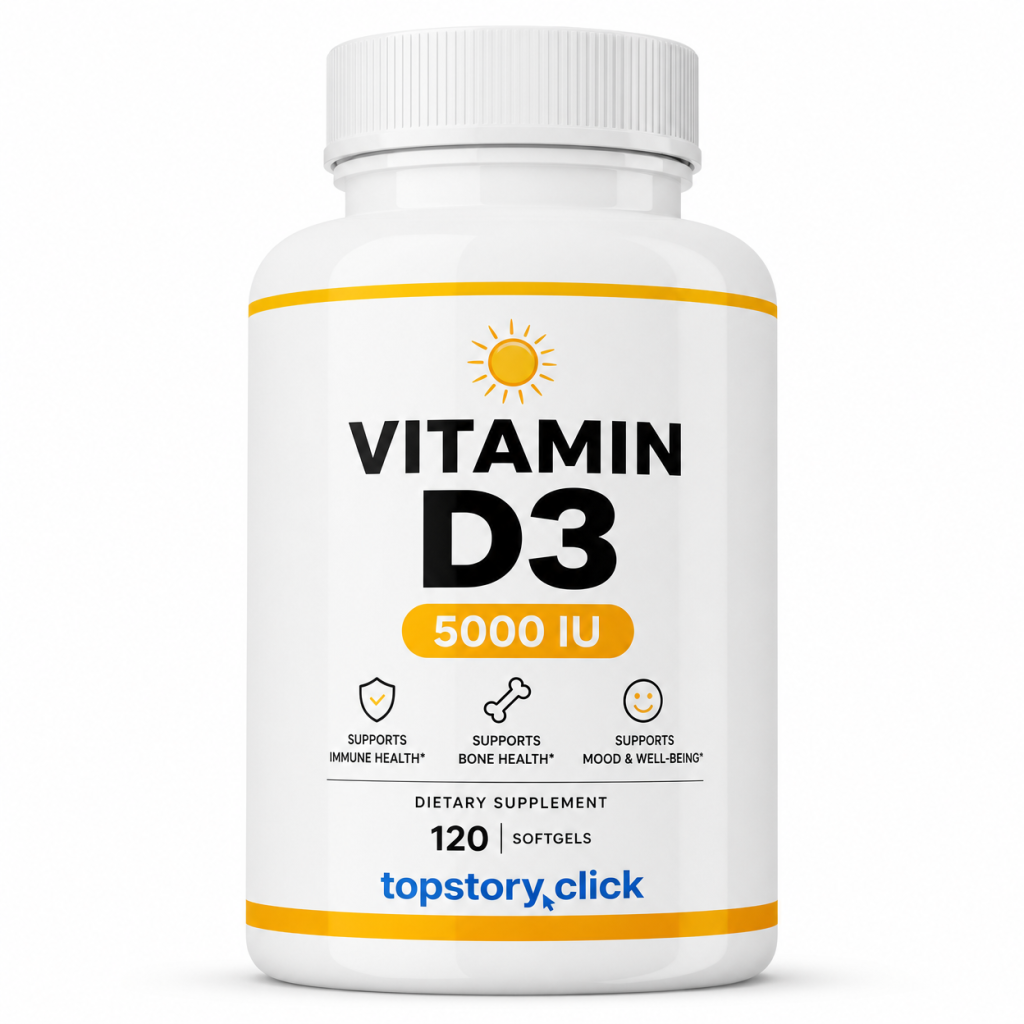
Vitamin D3 5000 IU: The Sunshine Vitamin You Need Every Day
May
Introduction
Vitamin D3 has become one of the most widely discussed nutritional supplements in the modern health industry — and for good reason. Often referred to as the “sunshine vitamin,” Vitamin D3 is critical for maintaining strong bones, a resilient immune system, stable mood, healthy muscles, and proper metabolic function. Yet despite its importance, Vitamin D deficiency remains one of the most common nutrient deficiencies worldwide.
Modern lifestyles have dramatically reduced natural sun exposure. People spend more time indoors, work office jobs, use sunscreen regularly, and live in urban environments where direct sunlight is limited. Combined with poor dietary intake, these factors have contributed to a growing global health concern. Researchers estimate that more than one billion people around the world may have insufficient Vitamin D levels.
Among the various supplement strengths available, Vitamin D3 5000 IU has gained exceptional popularity because it provides a higher-potency dose often recommended for individuals with deficiency or increased needs. While smaller doses such as 400 IU or 1000 IU may help maintain levels in some people, many adults require significantly more to reach optimal blood concentrations.
Understanding how Vitamin D3 works, who needs it, and how to use it safely can help individuals make informed decisions about their long-term health and wellness.
What Is Vitamin D3?
Vitamin D3, scientifically known as cholecalciferol, is one of the two major forms of Vitamin D. Unlike most vitamins, Vitamin D behaves more like a hormone because it influences gene expression and cellular function throughout the body.
When ultraviolet B (UVB) rays from sunlight hit the skin, the body naturally synthesizes Vitamin D3. After entering circulation, it undergoes two conversion processes:
- In the liver, it becomes 25-hydroxyvitamin D.
- In the kidneys, it converts into its active hormonal form called calcitriol.
This active form helps regulate calcium absorption, immune activity, inflammation, and numerous metabolic pathways.
There are two primary supplemental forms of Vitamin D:
- Vitamin D2 (ergocalciferol): Usually derived from plants or fungi.
- Vitamin D3 (cholecalciferol): Derived from animal sources or vegan lichen-based sources.
Research consistently shows that Vitamin D3 is more effective than D2 at increasing and maintaining blood levels of Vitamin D over time. Because of this, most healthcare professionals prefer D3 supplementation.
Why Is Vitamin D Deficiency So Common?
Vitamin D deficiency has become increasingly widespread due to several lifestyle and environmental changes.
Limited Sun Exposure
The human body was designed to produce Vitamin D through regular sunlight exposure. However, modern routines often prevent adequate UVB exposure. Many individuals:
- Work indoors all day
- Spend little time outside
- Use sunscreen consistently
- Live in apartments or urban areas
- Avoid sunlight due to skin aging concerns
Even geographic location matters. Individuals living in northern latitudes may receive insufficient UVB radiation during winter months.
Darker Skin Tone
Melanin acts as a natural sunscreen. People with darker skin tones require longer sun exposure to produce the same amount of Vitamin D as individuals with lighter skin.
Aging
As people age, the skin becomes less efficient at synthesizing Vitamin D. Older adults also tend to spend less time outdoors and may have reduced kidney function, which affects Vitamin D activation.
Obesity
Vitamin D is fat-soluble, meaning it can become stored in body fat tissue. Individuals with higher body fat percentages often require larger doses because more Vitamin D becomes sequestered and unavailable for circulation.
Digestive Disorders
Conditions such as Crohn’s disease, celiac disease, ulcerative colitis, and other malabsorption disorders can impair Vitamin D absorption from food and supplements.
Why Choose Vitamin D3 5000 IU?
The Recommended Dietary Allowance (RDA) for adults typically ranges from 600 to 800 IU daily. However, many experts believe these guidelines are too conservative for modern lifestyles and widespread deficiency levels.
Vitamin D3 5000 IU is commonly used because it provides a therapeutic-level dose capable of restoring adequate blood concentrations more efficiently than lower-dose supplements.
This dosage is especially popular among:
- Office workers
- Individuals with low sun exposure
- Older adults
- People with darker skin
- Individuals with obesity
- Athletes
- People recovering from deficiency
- Those living in colder climates
Many integrative and functional medicine practitioners recommend daily doses between 2000 IU and 5000 IU depending on individual blood test results.
Major Health Benefits of Vitamin D3 5000 IU
1. Supports Strong Bones and Teeth
One of Vitamin D3’s most well-known functions is regulating calcium absorption. Without adequate Vitamin D, the body cannot efficiently absorb calcium from food.
This can lead to:
- Weak bones
- Osteoporosis
- Osteomalacia
- Increased fracture risk
- Poor dental health
Vitamin D3 helps maintain bone mineral density and supports skeletal integrity throughout life. In older adults, sufficient Vitamin D levels significantly reduce fall and fracture risk.
2. Strengthens the Immune System
Vitamin D3 plays a major role in immune regulation. It activates immune cells such as T-cells and macrophages, which help the body defend against pathogens.
Low Vitamin D levels have been associated with:
- Increased respiratory infections
- Longer illness recovery
- Weakened immune response
- Greater susceptibility to viruses
Researchers have explored Vitamin D’s role in immune resilience extensively over the past decade. While it is not a cure or replacement for medical care, maintaining healthy Vitamin D status appears beneficial for overall immune support.
3. Improves Mood and Mental Well-Being
Vitamin D receptors are present in several areas of the brain involved in mood regulation. Deficiency has been linked to:
- Depression
- Anxiety
- Seasonal affective disorder (SAD)
- Fatigue
- Cognitive decline
Many people notice improvements in energy, motivation, and mood after correcting a deficiency. This may be particularly important during winter months when sunlight exposure decreases dramatically.
Although Vitamin D is not a standalone treatment for mental health disorders, adequate levels are increasingly recognized as an important component of emotional wellness.
4. Supports Muscle Strength and Physical Performance
Vitamin D3 contributes to muscle protein synthesis, neuromuscular coordination, and muscle recovery.
Deficiency may contribute to:
- Muscle weakness
- Fatigue
- Poor exercise recovery
- Reduced athletic performance
- Increased fall risk in older adults
Athletes and physically active individuals often prioritize Vitamin D optimization because of its relationship with muscle efficiency and recovery capacity.
5. Promotes Cardiovascular Health
Emerging evidence suggests that Vitamin D may support heart health by influencing:
- Blood pressure regulation
- Arterial flexibility
- Inflammation
- Endothelial function
Some studies have linked low Vitamin D levels with higher risks of hypertension, cardiovascular disease, and metabolic dysfunction. While research is ongoing, maintaining sufficient Vitamin D appears beneficial for overall cardiovascular wellness.
6. Supports Hormonal and Metabolic Function
Because Vitamin D acts similarly to a hormone, it influences multiple endocrine pathways throughout the body.
Researchers have examined Vitamin D’s role in:
- Testosterone production
- Insulin sensitivity
- Thyroid function
- Blood sugar regulation
- Metabolic health
Low Vitamin D levels are frequently observed in individuals with metabolic disorders, obesity, and insulin resistance.
How to Take Vitamin D3 for Best Absorption
Vitamin D3 is fat-soluble, meaning it absorbs best when consumed with dietary fat.
For optimal absorption:
- Take it with meals
- Include healthy fats such as avocado, nuts, olive oil, or eggs
- Be consistent with timing
- Avoid taking it on an empty stomach
Many experts also recommend pairing Vitamin D3 with Vitamin K2. Vitamin K2 helps direct calcium into bones and teeth while reducing the likelihood of calcium accumulating in arteries or soft tissues.
Safety and Potential Risks
Vitamin D3 is generally considered very safe when used appropriately. However, because it is fat-soluble, excessive intake over long periods can lead to toxicity.
Symptoms of excessive Vitamin D intake may include:
- Nausea
- Weakness
- Kidney problems
- Elevated blood calcium levels
- Confusion
- Dehydration
Toxicity is uncommon and usually occurs only with extremely high doses — often above 10,000 IU daily for extended periods without monitoring.
Although the National Institutes of Health lists 4000 IU as the tolerable upper intake level for adults, many healthcare professionals safely recommend 5000 IU daily for deficient individuals under supervision.
Testing Your Vitamin D Levels
The most accurate way to determine Vitamin D status is through a blood test measuring serum 25-hydroxyvitamin D.
General reference ranges include:
- Deficient: Below 20 ng/mL
- Insufficient: 20–30 ng/mL
- Optimal: 40–60 ng/mL
- High: Above 100 ng/mL
Many practitioners recommend annual or biannual testing to ensure levels remain within a healthy range.
Testing is especially important before beginning long-term high-dose supplementation.
Natural Sources of Vitamin D
Although supplementation is common, Vitamin D can also be obtained through sunlight and food sources.
Sunlight
Moderate sun exposure remains the most natural source of Vitamin D. However, factors such as season, sunscreen use, skin tone, and geographic location affect production.
Foods Rich in Vitamin D
Natural food sources include:
- Fatty fish (salmon, sardines, mackerel)
- Egg yolks
- Cod liver oil
- Beef liver
- Fortified milk and cereals
Despite these sources, diet alone is often insufficient to maintain optimal levels, especially in deficient individuals.
Conclusion
Vitamin D3 5000 IU has become one of the most valuable and widely used supplements in modern health and wellness. From strengthening bones and supporting immunity to improving mood, muscle performance, and metabolic health, Vitamin D plays a foundational role in overall well-being.
In today’s indoor lifestyle, deficiency is incredibly common, making supplementation increasingly relevant for millions of people worldwide. While 5000 IU may not be necessary for everyone, it is often an effective option for individuals with low blood levels, limited sun exposure, or increased physiological needs.
As with any supplement, personalized guidance is important. Testing Vitamin D levels and consulting a healthcare professional can help determine the ideal dosage for long-term safety and effectiveness.
Maintaining healthy Vitamin D status is not just about preventing deficiency — it is about supporting the body’s ability to function optimally every single day.
